
Bowflex BXT8J Treadmill Review: Motor HP Guide & Troubleshooting
Read our Bowflex BXT8J treadmill review focusing on motor size, CHP vs HP mistakes, and expert troubleshooting for overheating and belt friction.

The home fitness landscape in 2026 has shifted dramatically, with many buyers turning to legacy and refurbished models to secure commercial-grade hardware at mid-tier prices. Among the most sought-after machines on the secondary market is the Bowflex BXT8J. In this comprehensive Bowflex BXT8J treadmill review, we are bypassing the standard console features to focus entirely on the machine's beating heart: its 3.0 Continuous Horsepower (CHP) motor. Whether you are evaluating this model for purchase or currently troubleshooting a stuttering deck, understanding treadmill motor sizing, horsepower ratings, and drive-train diagnostics is critical to protecting your investment.
The Great Horsepower Deception: CHP vs. Peak HP
One of the most common mistakes buyers make is falling for inflated horsepower claims. The fitness industry has a long history of using 'Peak HP' as a marketing gimmick. Peak HP measures the absolute maximum output the motor can achieve for a fraction of a second before the thermal overload switch trips. It is entirely irrelevant to your daily workout.
What matters is Continuous Duty Horsepower (CHP). CHP measures the motor's ability to sustain a specific power output indefinitely under a standard load without overheating. The Bowflex BXT8J is equipped with a 3.0 CHP motor, which is the gold standard for home runners. According to the Consumer Reports treadmill buying guide, any user intending to run (rather than just walk) should look for a minimum of 2.75 to 3.0 CHP to ensure the motor does not degrade prematurely under the repetitive impact of a running stride.
⚠️ Buyer Beware: If a treadmill listing only advertises '4.0 HP' without the 'CHP' designation, it likely houses a 2.0 CHP motor masked by a peak rating. Always verify the continuous duty rating on the manufacturer's spec sheet or the physical motor sticker.Bowflex BXT8J Treadmill Review: 3.0 CHP Motor Analysis
The BXT8J’s 3.0 CHP motor is paired with a heavy-duty flywheel and a 20-inch by 60-inch running surface. This combination is specifically engineered to handle a maximum user weight of 400 pounds. Why does weight capacity matter for the motor? When a 250-pound runner strikes the deck, the kinetic energy transferred to the belt creates immense instantaneous friction. The motor must generate enough torque to pull the belt back to its set speed within milliseconds.
A 3.0 CHP motor operating at a 400-pound load will run hotter and draw more amperage than a 4.0 CHP motor under the same conditions. However, the BXT8J's motor features an internal cooling fan and adequate heat-sink mass to dissipate this thermal load during standard 45-to-60-minute sessions. Where this machine historically struggles is during multi-hour marathon training blocks or when users neglect deck lubrication, forcing the motor to work overtime.
Common Motor Sizing Mistakes Buyers Make
Matching the motor size to your specific biomechanics and usage patterns is non-negotiable. Below is a decision matrix to help you understand if the BXT8J’s 3.0 CHP motor is right for you, or if you need to look at heavier commercial units.
| Primary Activity | User Weight | Minimum Required CHP | Is the BXT8J (3.0 CHP) Sufficient? |
|---|---|---|---|
| Walking (Under 4 mph) | Under 200 lbs | 2.0 CHP | Yes (Overkill, but excellent longevity) |
| Walking (Under 4 mph) | Over 250 lbs | 2.5 CHP | Yes |
| Jogging (4 - 6 mph) | Under 200 lbs | 2.5 CHP | Yes |
| Running (6+ mph) | Under 200 lbs | 3.0 CHP | Yes (Perfect match) |
| Running (6+ mph) | Over 220 lbs | 3.5 - 4.0 CHP | No (Motor will overheat over time) |
Troubleshooting Guide: Diagnosing Motor & Drive Failures
If you own a BXT8J or a similar 3.0 CHP treadmill and are experiencing performance issues, the motor is not always the culprit. In fact, 70% of perceived 'motor failures' are actually secondary issues related to belt friction or the Motor Control Board (MCB). Here is how to troubleshoot the most common drive-train problems.
Symptom 1: Belt Hesitation or Stuttering Underfoot
When the belt stutters every time your foot strikes the deck, the motor is momentarily bogging down. The Fix: Perform the 'Push Test'. Unplug the machine. Stand on the deck and try to push the belt forward with your foot. If it requires significant force to move the belt, your deck is dry. The increased friction is drawing excess amps, causing the MCB to pulse the voltage to protect the circuit. Follow the Treadmill Doctor's lubrication protocols and apply 100% silicone treadmill lube under the belt. This resolves the hesitation in the vast majority of cases.
Symptom 2: Thermal Overload Shutoffs
If the treadmill abruptly stops after 30 to 40 minutes of running and the console displays an error code (or simply resets), the motor's internal thermal breaker has tripped. The Fix: Allow the machine to cool for 45 minutes. Check the motor hood for dust buildup blocking the intake vents. If the vents are clear and the belt is lubricated, the motor's internal windings may be degrading, or the motor brushes are worn down to the nubs, creating excess electrical resistance and heat.
Symptom 3: Burning Smells
Not all burning smells are created equal.
- Sweet, melting rubber smell: This is belt-on-deck friction. The belt is likely misaligned, over-tensioned, or the deck needs replacing. The motor is fine, but it is working too hard.
- Acrid, ozone, or electrical smell: This indicates the motor windings are frying or the MCB is shorting. Unplug the machine immediately. In 2026, sourcing an OEM Bowflex/Nautilus replacement motor can be difficult due to corporate restructuring, but universal 130V DC 3.0 CHP replacements from suppliers like Fitness Repair Parts typically cost between $350 and $550.
Advanced Diagnostics: Testing the MCB and Motor
For the DIY repair enthusiast, isolating the failure to either the Motor Control Board (MCB) or the drive motor requires a digital multimeter. Warning: Always unplug the treadmill before removing the motor hood.
- Inspect the Motor Brushes: Remove the plastic caps on the side of the motor cylinder. The carbon brushes should have at least 3/8-inch of material left. If they are worn down to the metal spring, the motor will arc and fail.
- Test Motor Continuity: Set your multimeter to Ohms (Ω). Place the probes on the red and black wires leading into the motor. A healthy 3.0 CHP DC motor should read between 1.0 and 5.0 Ohms. If it reads infinite (open circuit), the internal windings are broken.
- Test MCB Output: Plug the machine back in (keep hands clear of moving parts). Set the multimeter to DC Volts. Place the probes on the MCB output terminals while the treadmill is running at 3 mph. The voltage should scale linearly with speed (e.g., roughly 30-40V at walking speeds, up to 130V at max speed). If the MCB sends voltage but the motor doesn't spin, the motor is dead. If the MCB sends no voltage, the board has failed.
Preventative Maintenance to Save Your Motor
The lifespan of your BXT8J's motor is directly tied to your maintenance habits. To ensure the 3.0 CHP motor lasts well into the late 2020s, adhere to this strict maintenance schedule:
- Monthly: Check belt tension. You should be able to lift the belt 2 to 3 inches off the deck in the center. Over-tensioning the belt puts lateral stress on the motor bearings, leading to premature mechanical failure.
- Quarterly: Apply 1 oz of 100% silicone lubricant. Never use petroleum-based products like WD-40, which will destroy the belt and deck.
- Bi-Annually: Vacuum the motor hood. Treadmill motors generate static electricity, which acts as a magnet for dust and pet hair. A clogged motor hood will raise the internal temperature by up to 20°F, drastically shortening the lifespan of the insulation on the copper windings.
Frequently Asked Questions (FAQ)
Can I upgrade the BXT8J to a 4.0 CHP motor?
No. The MCB, wiring harness, and physical motor mounts are calibrated specifically for the 3.0 CHP unit. Installing a larger motor will likely trip the household circuit breaker or fry the existing MCB due to incompatible Pulse Width Modulation (PWM) frequencies.
Is the Bowflex BXT8J still a good buy in 2026?
Yes, particularly on the refurbished market. While newer brands offer flashier touchscreens, the BXT8J's mechanical foundation—specifically its 3.0 CHP motor, heavy steel frame, and 400-pound weight capacity—remains vastly superior to the 2.5 CHP motors found in many modern budget treadmills priced under $1,000.
Expert Takeaway: A treadmill is only as good as its drive system. The Bowflex BXT8J’s 3.0 CHP motor is a workhorse, but it demands proper belt lubrication and tensioning. Treat the deck right, and the motor will easily outlast the console electronics.
More gear to consider
All reviews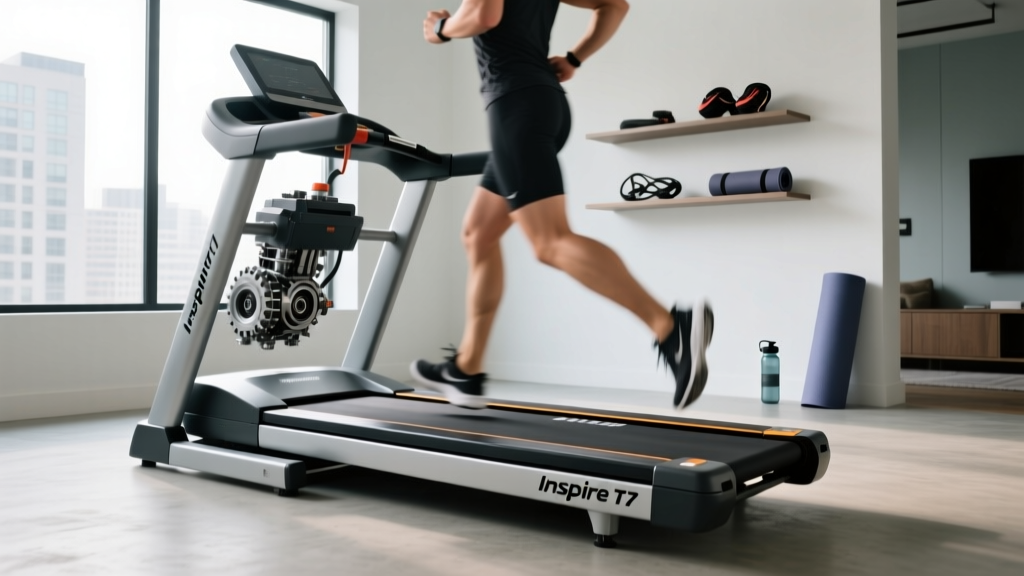
Inspire T7 Treadmill Motor Guide: Sizing & HP Troubleshooting
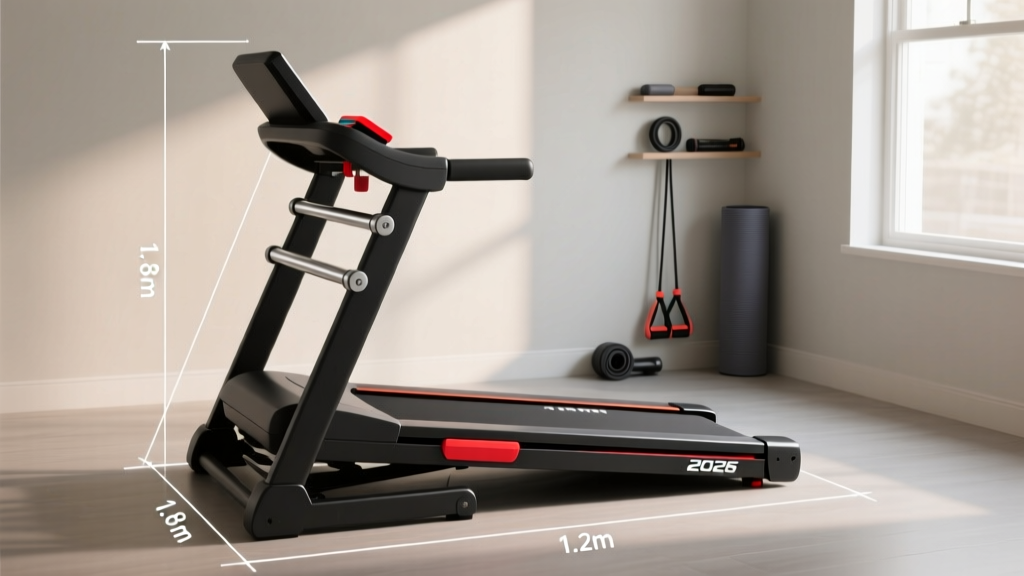
Treadmill Drawing & Space Analysis: 2026 Folding Treadmill Review

Maintaining Your Compact Treadmill: Incline Percent & Longevity
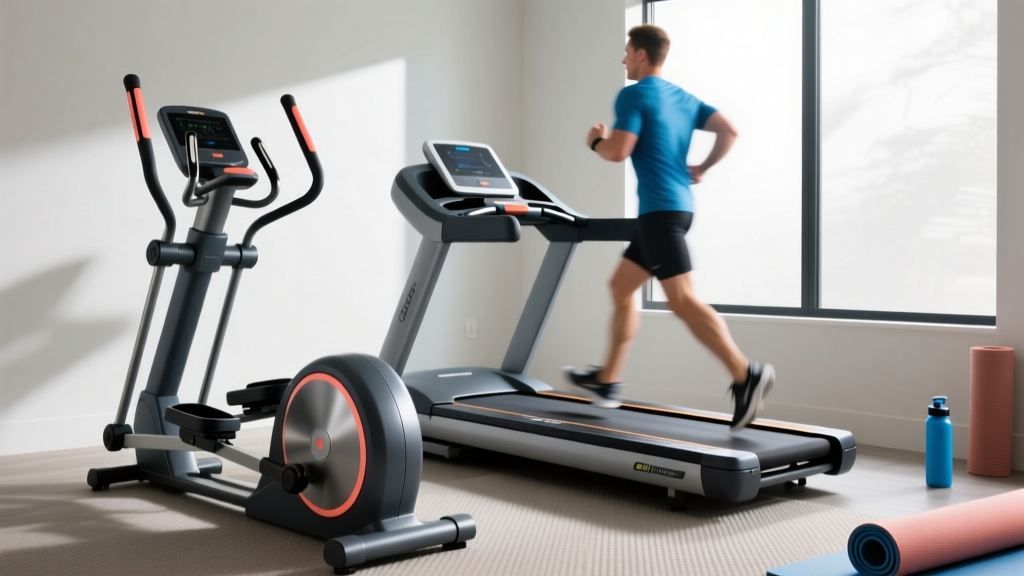
Elliptical vs Treadmill: Navigating Treadmill Weight Limits
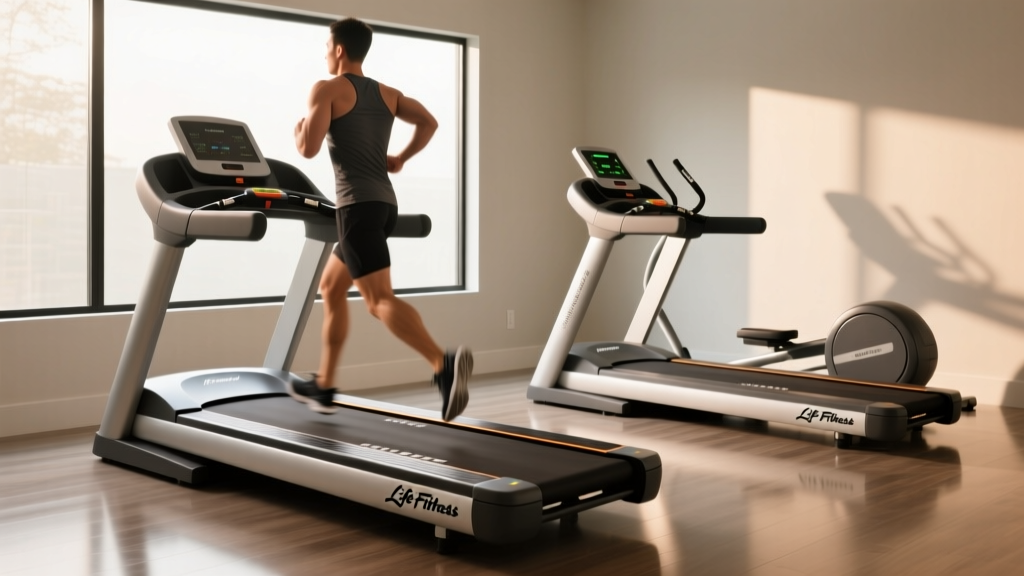
Curved vs Motorized Treadmills: Life Fitness Treadmill FlexDeck Guide
