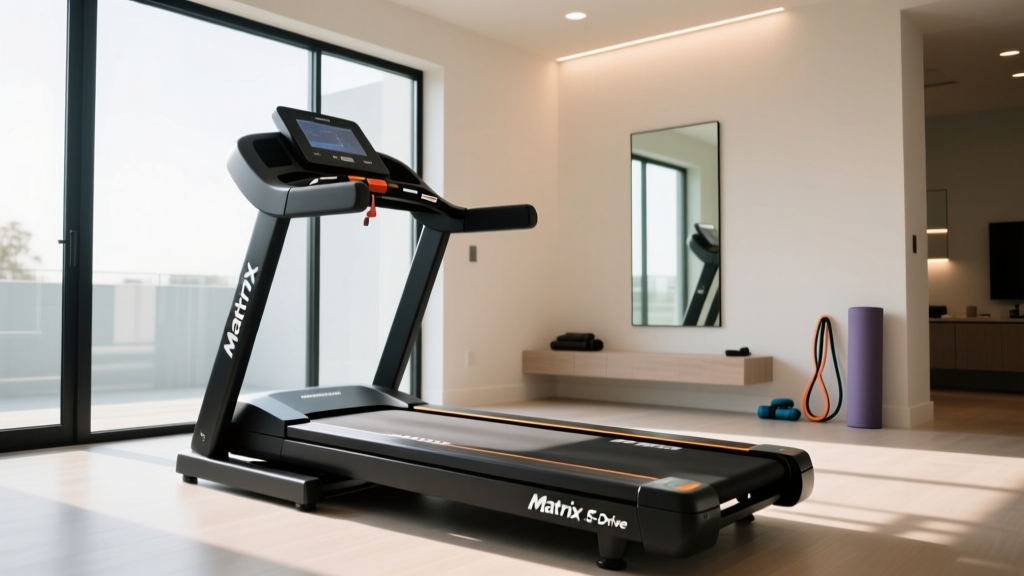
Space-Saving Cardio: Bike Types vs Treadmill Programs for Weight Loss
Maximize your small home gym layout. We compare upright, recumbent, and spin bike footprints against folding treadmills for effective weight loss routines.

The Small-Space Cardio Dilemma: Footprint vs. Efficacy
As urban living spaces shrink and remote work remains a staple in 2026, the home fitness industry has seen a massive pivot toward micro-gyms and multi-use living areas. When designing a dedicated cardio zone in an apartment or a small spare bedroom, every square inch matters. If your primary fitness goal is shedding body fat, you have likely spent hours researching high-intensity treadmill programs for weight loss, such as the viral 12-3-30 incline method or dynamic sprint intervals. However, treadmills are notorious space-hogs.
This creates a critical design and performance dilemma: Should you dedicate 25 square feet to a folding treadmill, or can specific stationary bike types—upright, recumbent, and spin—deliver the same caloric expenditure in a fraction of the footprint? In this guide, we break down the exact dimensions, clearance requirements, and layout strategies for optimizing your cardio space without sacrificing your weight loss results.
The Golden Rule of Cardio Clearance
Never measure a machine's footprint in isolation. According to the American Heart Association, achieving the recommended 75 minutes of vigorous weekly cardio requires an environment that is both safe and ergonomically sound. Always add a minimum of 20 inches of safety clearance behind any moving belt or pedal path, and 15 inches on the sides for mounting and dismounting.
Stationary Bike Types: Upright, Recumbent, and Spin Dimensions
Before committing to a floor plan, we must analyze the three primary stationary bike categories. Each serves a distinct biomechanical purpose and demands a unique spatial arrangement.
| Bike Type | Top 2026 Model | Machine Footprint | Total Zone Needed | Avg. Price |
|---|---|---|---|---|
| Spin (Indoor Cycle) | Schwinn IC4 | 48" L x 21" W | 68" L x 51" W | $999 |
| Upright | Nautilus U618 | 42" L x 21" W | 62" L x 51" W | $599 |
| Recumbent | Schwinn 270 | 55" L x 28" W | 75" L x 58" W | $799 |
Spin Bikes (Indoor Cycles)
Spin bikes are the undisputed champions of high-intensity interval training (HIIT). Models like the Schwinn IC4 or the premium Peloton Bike+ (59" x 22") mimic the aggressive, forward-leaning geometry of outdoor road cycling. Because the flywheel is compact and the frame is minimal, spin bikes boast the smallest vertical and horizontal footprint. For users looking to replicate the caloric burn of intense treadmill programs for weight loss, a spin bike allows for vigorous sprints and heavy resistance climbs without requiring the ceiling height or belt length of a motorized treadmill.
Upright Bikes
Upright bikes, such as the Nautilus U618, feature a traditional seat positioned directly over the pedals. They are ideal for steady-state, moderate-intensity cardio. Spatially, they are incredibly narrow (usually around 21 inches wide), making them perfect for sliding into tight alcoves or beside a bedroom wardrobe. However, they lack the heavy-resistance climbing capability of spin bikes, making them slightly less effective for rapid, high-output weight loss protocols.
Recumbent Bikes
Recumbent bikes offer a seated, reclined position with a backrest, placing the pedals in front of the user. While the Schwinn 270 is exceptionally comfortable and ideal for users with lower back issues or joint pain, it is a spatial liability. At 55 inches long and 28 inches wide, it consumes significantly more floor space than an upright or spin bike. However, its low vertical profile (often under 50 inches high) allows you to install shelving or wall-mounted TVs directly above it, optimizing vertical dead space.
The Treadmill Alternative: Clearance for Weight Loss Protocols
Why do so many home gym owners still fight to fit a treadmill into a small room? The answer lies in the unparalleled efficacy of incline walking and running. Many 2026 smart treadmills feature auto-follow treadmill programs for weight loss that dynamically adjust speed and incline to keep you in a targeted fat-burning heart rate zone.
'To safely execute high-incline treadmill programs for weight loss, such as a 15% grade at 3.0 mph, you must account for the elevation lift. A standard treadmill belt sits 8 inches off the ground, but at max incline, the front deck rises an additional 12 to 14 inches. If you are 6 feet tall, you need a minimum ceiling height of 8.5 feet to avoid head strikes during vigorous uphill intervals.'
Consider a popular folding model like the NordicTrack Commercial 1750. While it advertises a 'folded' footprint of 39" x 34", its deployed footprint is a massive 78" x 35". Furthermore, the Mayo Clinic emphasizes that sustainable weight loss requires consistent, safe movement. If your treadmill is wedged into a cramped corner where you feel claustrophobic or risk kicking a wall during a sprint, your adherence to the program will plummet.
Layout Design: Zoning Your 50-Square-Foot Cardio Corner
If you are working with a 50-square-foot area (e.g., a 5' x 10' nook), here is a step-by-step framework for optimizing the layout based on your machine choice:
- Map the Swing Radius: For spin and upright bikes, ensure a 30-inch clearance on the side where you mount and dismount. Never place a bike flush against a wall on the dominant side.
- Manage the Visual Weight: If using a recumbent bike or a deployed treadmill, place the machine facing a window or a mirror. Facing a blank wall while on a recumbent bike amplifies the feeling of spatial confinement.
- Vertical Ventilation: High-intensity treadmill programs for weight loss generate massive amounts of body heat. In a small room, you must install a wall-mounted oscillating fan at a 45-degree downward angle, positioned at least 7 feet high to clear the treadmill's incline path.
- Flooring Transitions: Use high-density EVA foam mats (minimum 8mm thick) that extend 12 inches beyond the machine's footprint. This protects your subfloor from sweat corrosion and dampens the acoustic vibration of heavy flywheels or treadmill motors, which is critical in multi-story apartments.
Information Gain: The Caloric ROI per Square Foot
To truly understand space optimization, we must look at the 'Caloric Return on Investment' (CROI) relative to the square footage the machine demands when in use. Based on a 180 lb individual performing 45 minutes of vigorous exercise:
- Spin Bike (HIIT): Burns ~550 calories. Requires 24 sq ft of active zone. CROI: 22.9 calories per sq ft.
- Treadmill (Incline Walk/Run): Burns ~600 calories. Requires 45 sq ft of active zone (including safety buffer). CROI: 13.3 calories per sq ft.
- Recumbent Bike (Steady State): Burns ~350 calories. Requires 30 sq ft of active zone. CROI: 11.6 calories per sq ft.
As the data demonstrates, while a treadmill may offer a slightly higher absolute caloric burn, the spin bike delivers nearly double the caloric burn per square foot of occupied space. According to the Centers for Disease Control and Prevention (CDC), creating a caloric deficit is the primary driver of weight loss, meaning the modality matters less than the intensity and consistency you can sustain in your given environment.
Final Verdict: Designing for Your Reality
If your home features low ceilings (under 8 feet) or your dedicated workout space is less than 60 square feet, abandon the idea of executing advanced treadmill programs for weight loss on a motorized deck. The spatial anxiety and safety risks will hinder your progress. Instead, invest in a high-quality spin bike like the Schwinn IC4. Pair it with a heart-rate monitor and a subscription to on-demand cycling classes to replicate the interval-based fat burning you would get from a treadmill.
Conversely, if you have a spare bedroom with 9-foot ceilings and a 70-square-foot footprint, a folding treadmill remains a phenomenal investment for incline walking. Just remember to measure the deployed length, account for the incline lift, and prioritize safety clearance over squeezing in extra furniture. Smart space optimization isn't just about making the equipment fit; it's about designing an environment that invites you to work out every single day.
More gear to consider
All reviews
The Long Walk Treadmills: 2026 Walking Pad Review

Inspire Series Treadmill: Under Desk Office Space & Layout Review

Merit 715T Treadmill Belt Maintenance: 2026 Cost & Value Analysis
Curved vs Motorized Treadmill on Floor: Beginner Setup Guide

Rowing Buying Guide: Performance 400i Treadmill Mistakes