Stationary Bike or Treadmill for Belly Fat? Hidden Maintenance Costs
Debating a stationary bike or treadmill for belly fat? We break down the hidden long-term costs, focusing on treadmill belt maintenance and lubrication.

The Core Debate: Caloric Burn vs. Long-Term Value
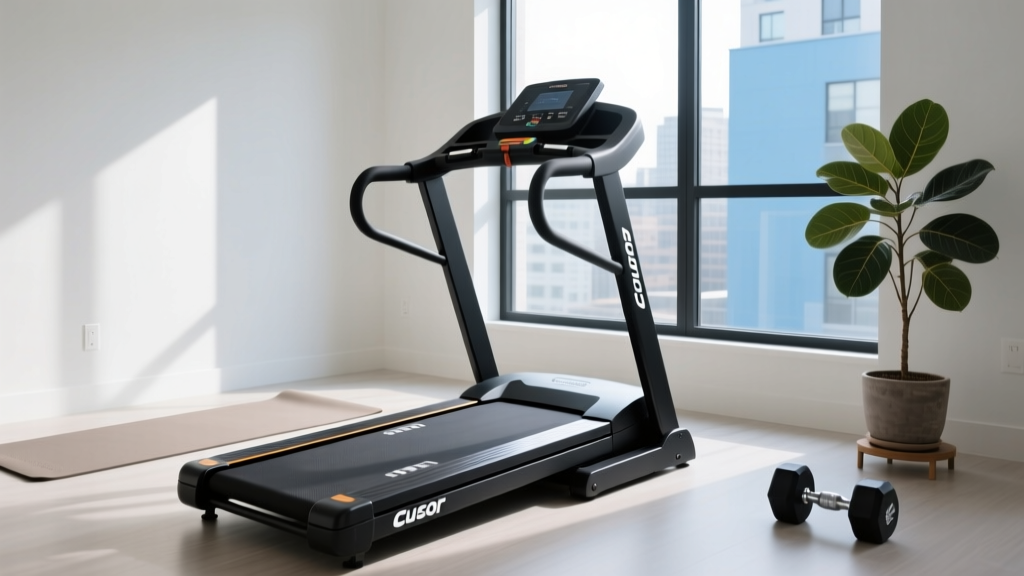
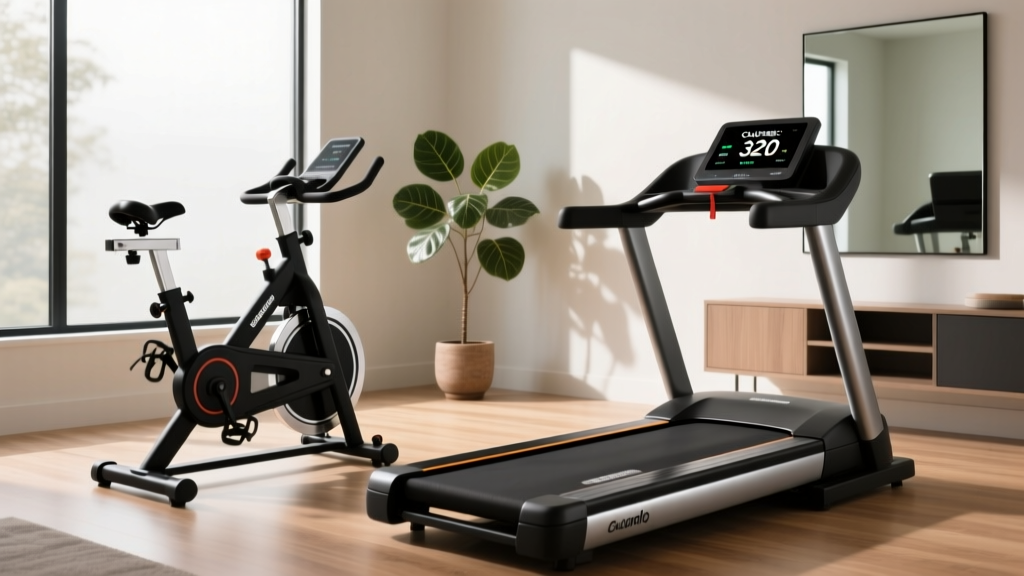
When consumers research the most effective cardio equipment for home use, a common question emerges: should you choose a stationary bike or treadmill for belly fat? From a purely physiological standpoint, both machines facilitate the caloric deficit required to reduce visceral and subcutaneous fat. According to the Mayo Clinic, targeted spot reduction is a myth; overall fat loss through consistent cardiovascular exercise and dietary management is the only proven method. Treadmills generally yield a slightly higher caloric burn per hour due to the requirement of supporting your own body weight, while stationary bikes offer a lower-impact alternative that spares the knee and hip joints.
However, most buyers focus exclusively on the upfront retail price. A mid-range treadmill like the Sole F80 or a NordicTrack T Series 7.5S might cost between $800 and $1,200, which is remarkably similar to the price of a high-quality magnetic resistance bike like the Schwinn IC4. But analyzing the true value requires looking past the initial purchase. The long-term budget breakdown reveals a massive divergence in ownership costs, primarily driven by one critical factor: treadmill belt maintenance and lubrication.
The Hidden Cost of Treadmills: Belt Friction and Motor Strain
Unlike stationary bikes that utilize sealed magnetic resistance and belt-drive systems requiring virtually zero routine maintenance, treadmills rely on a high-friction mechanical system. A treadmill belt slides over a wooden or composite deck, creating significant kinetic friction. If this friction is not actively managed through proper lubrication, the consequences cascade through the machine's electrical and mechanical components.
When a treadmill belt dries out, the coefficient of friction increases dramatically. The drive motor must work harder to pull the belt, leading to excessive amp draw. Over time, this thermal stress degrades the motor windings and, more commonly, fries the Motor Control Board (MCB). Replacing an MCB on a standard home treadmill costs between $150 and $300, while a burnt-out drive motor can cost upwards of $400. In contrast, a stationary bike's magnetic flywheel has no physical contact points to degrade, making the 5-year maintenance budget for a bike a fraction of a treadmill's.
⚠️ CRITICAL WARNING: The WD-40 TrapNever use standard WD-40, aerosol silicone sprays, or petroleum-based lubricants on a treadmill belt. These products contain solvents that break down the PVC and rubber composite of the belt, causing it to stretch, delaminate, and ultimately snap. Always use 100% pure silicone liquid or gel specifically formulated for fitness equipment.
5-Year Budget Breakdown: Treadmill vs. Stationary Bike
To accurately compare the value of a stationary bike or treadmill for belly fat reduction, we must project the 5-year cost of ownership. This includes routine maintenance, part replacements, and energy consumption.
| Cost Category | Treadmill (e.g., Sole F80) | Stationary Bike (e.g., Schwinn IC4) |
|---|---|---|
| Upfront Cost | $999 - $1,199 | $899 - $1,099 |
| Routine Lubrication (5 Yrs) | $45 - $75 (100% Silicone) | $0 |
| Belt/Drive Replacement | $150 - $250 (Walking Belt) | $40 - $60 (Poly-V Belt) |
| Motor/Electronics Risk | High ($200+ MCB replacement risk) | Near Zero (Sealed magnetic) |
| Estimated Energy Cost (5 Yrs) | $120 - $180 | $15 - $30 |
| Total 5-Year Maintenance Cost | ~$515 - $685 | ~$55 - $90 |
As the data illustrates, the treadmill requires a significantly higher maintenance budget. However, if you are committed to the higher caloric expenditure of running or walking on an incline, the treadmill remains a superior tool for fat loss—provided you strictly adhere to a maintenance schedule to prevent catastrophic motor failure.
Step-by-Step Treadmill Belt Lubrication Guide
Proper maintenance is the key to protecting your investment. According to Sole Fitness Support guidelines, modern treadmill decks are often pre-lubricated at the factory, but the silicone degrades after 130 to 150 miles of use. If you use your treadmill for 45 minutes a day, five days a week, you will need to lubricate the belt every 3 to 4 months.
Materials Needed
- 100% pure silicone treadmill lubricant (liquid with an extension tube or gel packet)
- Allen wrench (usually 3/16" or 5mm, depending on the brand)
- Microfiber cloth
The Lubrication Procedure
- Power Down and Secure: Unplug the treadmill from the wall outlet. Never perform maintenance while the machine is connected to mains power.
- Loosen the Rear Roller: Locate the two rear adjustment bolts at the back of the treadmill deck. Using your Allen wrench, turn both bolts counter-clockwise exactly three full turns. Keep track of your turns to ensure the belt remains centered upon reassembly.
- Lift and Apply: Reach under the center of the walking belt and lift it away from the deck. Insert the extension tube of your 100% silicone lubricant. Squeeze exactly 1 ounce (about half a standard 2oz bottle) of silicone in a zig-zag pattern across the width of the deck. Repeat on the opposite side.
- Retighten the Belt: Turn both rear adjustment bolts clockwise exactly three full turns to restore the original tension.
- Distribute the Silicone: Plug the treadmill back in. Turn it on and set the speed to 3.0 MPH. Let it run unoccupied for 3 to 5 minutes. The rotation will evenly distribute the silicone across the entire deck surface.
- Wipe Excess: Use a microfiber cloth to wipe away any silicone that may have squeezed out onto the edges of the belt or the motor hood to prevent slipping hazards.
Edge Cases and Failure Modes: Diagnosing Belt Friction
How do you know if you have waited too long to lubricate your belt? Advanced users and technicians rely on amp draw testing. By using a standard multimeter or a plug-in watt meter, you can measure the electrical current the motor is pulling.
For a standard 2.5 to 3.0 Continuous Horsepower (CHP) motor, a healthy, well-lubricated belt should draw between 2 to 4 amps while running at 3 MPH with no user on the deck. When a 180-pound user steps on, the amp draw should rise to roughly 6 to 8 amps. If your machine is pulling over 10 to 12 amps with a user walking at a moderate pace, the friction coefficient is dangerously high. At this stage, the Motor Control Board is being subjected to severe thermal stress. If ignored, the MCB will eventually trip its internal breaker or permanently short out, resulting in a sudden 'Error 1' or 'Speed Sensor' code on the console.
Another physical failure mode is belt delamination. If you notice black rubber dust accumulating at the rear of the treadmill, or if the underside of the belt feels rough and fabric-like rather than smooth, the belt has suffered irreversible friction burns. No amount of silicone will fix a delaminated belt; a full replacement (costing $150 to $250 plus an hour of labor) is the only remedy. NordicTrack Support strongly advises replacing both the walking belt and the deck simultaneously if severe grooving is present on the wooden deck, as a new belt on a grooved deck will wear out in a matter of weeks.
Final Verdict: Which Machine Wins the Budget Battle?
When deciding between a stationary bike or treadmill for belly fat, the answer ultimately hinges on your biomechanical preferences and your willingness to perform routine maintenance. If your primary goal is to minimize long-term ownership costs, eliminate mechanical friction, and protect your joints while achieving a steady caloric burn, the magnetic stationary bike is the undisputed budget champion. It requires virtually no maintenance and operates silently for years.
However, if you prefer the natural biomechanics of walking or running, and you value the superior caloric expenditure of incline training, the treadmill is worth the investment. By committing to a strict 100% silicone lubrication schedule every 130 miles and monitoring your motor's amp draw, you can easily extend the life of your treadmill's deck and motor well past the 5-year mark, ensuring your belly fat loss journey isn't derailed by an unexpected repair bill.
More gear to consider
All reviews
Rowing Technique & Buying Guide: Rower vs ProForm T10 Treadmill

Walking Pad Review: How to Lubricate Treadmill Without Lifting Belt
Sole Treadmill F63 vs F65 or Under-Desk Treadmill? Office Use Review

Rowing Technique & Buying Guide: Ditch the Step Counter for Treadmill

Curved vs Motorized Setup: How to Turn On a Matrix Treadmill