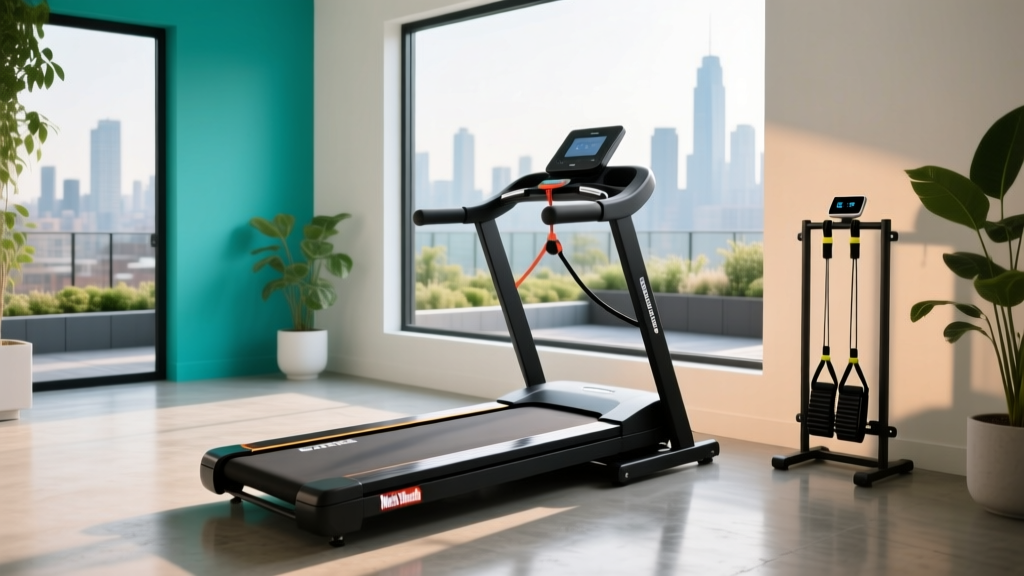
Walking Barefoot on a Treadmill: Is It Safe?
Is it OK to walk on a treadmill barefoot? We compare walking pads, reveal common barefoot mistakes, and share safety tips for 2026.

The Biomechanical Verdict: Is It Okay to Walk on a Treadmill Barefoot?
As remote work and under-desk fitness routines dominate the 2026 home gym landscape, a highly debated question keeps surfacing in fitness forums and podiatry clinics: is it okay to walk on a treadmill barefoot? The short answer is conditionally yes, but it requires specific equipment parameters and deliberate gait adjustments. Walking barefoot fundamentally alters your ground reaction forces (GRF). Without the elevated heel drop and EVA foam cushioning of a standard running shoe, your body shifts from a heel-strike pattern to a midfoot or forefoot strike.
According to gait analysis data referenced by the American Podiatric Medical Association, barefoot walking increases the load on the Achilles tendon and the plantar fascia by up to 18% compared to shod walking. While this can strengthen intrinsic foot muscles over time, doing it on a high-friction, poorly cushioned surface like a cheap walking pad is a fast track to connective tissue inflammation. Furthermore, Mayo Clinic's walking guidelines emphasize that proper foot support is critical for absorbing repetitive impact, making the choice of treadmill deck and belt material the ultimate deciding factor.
💡 Expert Insight: The Friction Coefficient ProblemStandard treadmill belts are made of PVC or multi-ply rubber designed to grip rubber-soled shoes. When bare skin meets a moving PVC belt at 2.5 MPH, the friction coefficient spikes. This generates localized thermal heat (often reaching 105°F to 112°F on the belt surface after 30 minutes), which can cause micro-abrasions or 'belt burn' on the soles of your feet.
Walking Pad vs. Traditional Treadmill: Barefoot Feasibility Matrix
Not all cardio machines are created equal when it comes to barefoot use. Traditional treadmills feature thick phenolic decks and elastomer shock absorbers, whereas walking pads prioritize a slim profile, often sacrificing cushioning. Below is a structural comparison to help you understand what your feet are actually striking.
| Feature | Traditional Treadmill (e.g., NordicTrack T-Series) | Under-Desk Walking Pad (e.g., UREVO Strol 2E) | Barefoot Impact & Risk Level |
|---|---|---|---|
| Deck Material | Phenolic resin with rubber compression pads | High-density MDF or particleboard | MDF offers zero shock absorption; high risk for heel bruising. |
| Belt Thickness | 2.0mm - 3.0mm multi-ply rubber | 1.2mm - 1.6mm single-ply PVC | Thinner PVC retains more motor heat; higher burn risk. |
| Max Barefoot Time | 45 - 60 minutes | 15 - 25 minutes (without breaks) | Exceeding limits on pads leads to plantar fasciitis flare-ups. |
| Static Buildup | Low (grounded chassis) | High (triboelectric charging) | Bare feet act as a ground; painful static shocks are common. |
2026 Walking Pad Market Review: Top Models for Barefoot Walkers
If you are committed to barefoot walking, you must select a walking pad with a textured, low-heat belt and a reinforced deck. Here is how the top models in the 2026 market perform under barefoot conditions.
1. WalkingPad X21 (Dual-Fold Model)
Price: $599 | Belt: 1.6mm textured PVC | Max Speed: 3.7 MPH
The X21 remains a premium choice because its 1.6mm belt features a micro-dot texture that reduces the suction effect on bare skin. The dual-layer deck incorporates a thin EVA foam sub-layer beneath the MDF, which dampens the high-frequency vibrations that typically cause metatarsal fatigue. However, the 17-inch width requires strict lateral awareness when walking barefoot, as stepping on the plastic side rails can cause blisters.
2. UREVO Strol 2E
Price: $349 | Belt: 1.4mm standard PVC | Max Speed: 3.0 MPH
The Strol 2E offers a wider 17.3-inch belt, providing a larger margin of error for barefoot strides. The 1.4mm belt is relatively thin, meaning heat dissipation is poor. We recommend limiting barefoot sessions to 20-minute intervals. The integrated silicone shock absorbers at the front deck do help mitigate heel-strike impact, making it a viable budget option if you strictly manage your session duration.
3. Mobvoi Home Treadmill Pro
Price: $449 | Belt: 1.8mm diamond-weave PVC | Max Speed: 4.0 MPH
Mobvoi's diamond-weave belt is the closest to a traditional treadmill surface in this category. The texture provides excellent grip without generating excessive friction heat. At $449, it is the most biomechanically forgiving walking pad for barefoot users, though its heavier 65 lb weight makes it difficult to slide under a bed when not in use.
5 Common Barefoot Walking Pad Mistakes & Troubleshooting
Even with the right equipment, user error leads to a host of podiatric and mechanical issues. Here are the most frequent mistakes and how to troubleshoot them.
⚠️ Mistake #1: Ignoring the 'Break-In' Period for the Plantar FasciaThe Issue: Transitioning immediately to 60-minute barefoot walking pad sessions overloads the plantar fascia, leading to micro-tears and severe morning heel pain.
The Fix: Follow the 10/20/30 rule. Week 1: 10 minutes barefoot, 20 minutes in zero-drop shoes (like Altra or Xero). Week 2: 20 minutes barefoot. Week 3: 30 minutes barefoot. Never exceed 45 minutes barefoot on a walking pad.
Mistake #2: Overstriding Without a Heel Drop
When you remove the 8mm-12mm heel drop of a standard sneaker, your Achilles tendon is forced into a deeper stretch. If you maintain your normal shod stride length on a walking pad, you will rapidly develop Achilles tendinopathy. Troubleshooting: Consciously shorten your stride length by 15% and increase your cadence to 115–125 steps per minute (SPM). This shifts the workload from the Achilles to the glutes and hamstrings.
Mistake #3: Triboelectric Static Shocks
Walking barefoot on a PVC belt generates a triboelectric charge. Because your bare, slightly sweaty feet act as a grounding wire, touching the metal frame or your desk will result in a painful static shock. Troubleshooting: Apply an anti-static laundry spray to the belt once a week, or place a copper grounding mat under the walking pad connected to a grounded outlet's screw terminal.
Mistake #4: Neglecting Belt Tension and Slippage
Bare feet exert a different shear force on the belt compared to rubber soles. If the belt is slightly loose, the micro-grip of your skin can cause the belt to stutter or slip over the front roller, leading to ankle sprains. Troubleshooting: Perform the 'lift test'. With the machine off, lift the belt at the center of the deck. It should rise exactly 1.5 to 2 inches. If it rises higher, use a 6mm Allen wrench to tighten the rear roller bolts by exactly one-quarter turn clockwise on each side.
Mistake #5: Walking on a Dusty Belt
Dead skin cells, dust, and natural foot oils accumulate rapidly on walking pad belts, creating a slick, hygienic hazard that forces your toes to 'claw' the belt for grip, causing extensor tendon strain. Troubleshooting: Wipe the belt down with a damp microfiber cloth and a 50/50 mix of water and white vinegar every 10 hours of use. Avoid harsh chemical degreasers, which dry out the PVC and cause premature cracking.
Step-by-Step Troubleshooting Flowchart for Foot Pain
If you are experiencing pain after barefoot walking pad use, follow this diagnostic sequence to identify the root cause:
- Is the pain localized to the heel?
Diagnosis: Heel pad bruising from MDF deck impact.
Action: Place a 3mm interlocking EVA foam mat under the walking pad to add a layer of external shock absorption. - Is the pain a sharp burning sensation on the ball of the foot?
Diagnosis: Thermal friction burn or blistering from PVC heat.
Action: Reduce session time to 15 minutes and apply a silicone-based belt lubricant to reduce surface friction. - Is the pain a dull ache in the arch that worsens in the morning?
Diagnosis: Plantar fasciitis overload.
Action: Halt barefoot walking immediately. Switch to supportive footwear and perform daily gastrocnemius and soleus calf stretches for 14 days. - Is there numbness or tingling in the toes?
Diagnosis: Toe clawing and restricted blood flow due to belt slippage anxiety.
Action: Check belt tension, lower the walking pad speed to 1.5 MPH, and practice mindful toe splaying during the stance phase of your gait.
Final Expert Verdict
So, is it okay to walk on a treadmill barefoot? Yes, provided you respect the biomechanical limits of your feet and the physical limitations of under-desk walking pads. Traditional treadmills with thick rubber decks are vastly superior for barefoot use, but if a walking pad is your only option, choose a model with a textured belt (like the Mobvoi Home Treadmill Pro) and strictly adhere to a progressive break-in schedule. By managing belt temperature, adjusting your cadence, and maintaining rigorous cleaning habits, you can safely reap the intrinsic foot-strengthening benefits of barefoot walking without falling victim to the common pitfalls of the 2026 home fitness era.
More gear to consider
All reviews
Alter G Treadmill Cost vs. Home Stair Climbers: 2026 Guide
YEMSD Treadmill Review: Small Space Fit & Maintenance Guide

Walking Pad Review: Top Treadmill Interest Free Plans for 2026

Air Bike vs Assault Bike: Escaping the Hamster Treadmill Trap
Under Desk Treadmill Review: Budget vs Assault Pro Treadmill Value