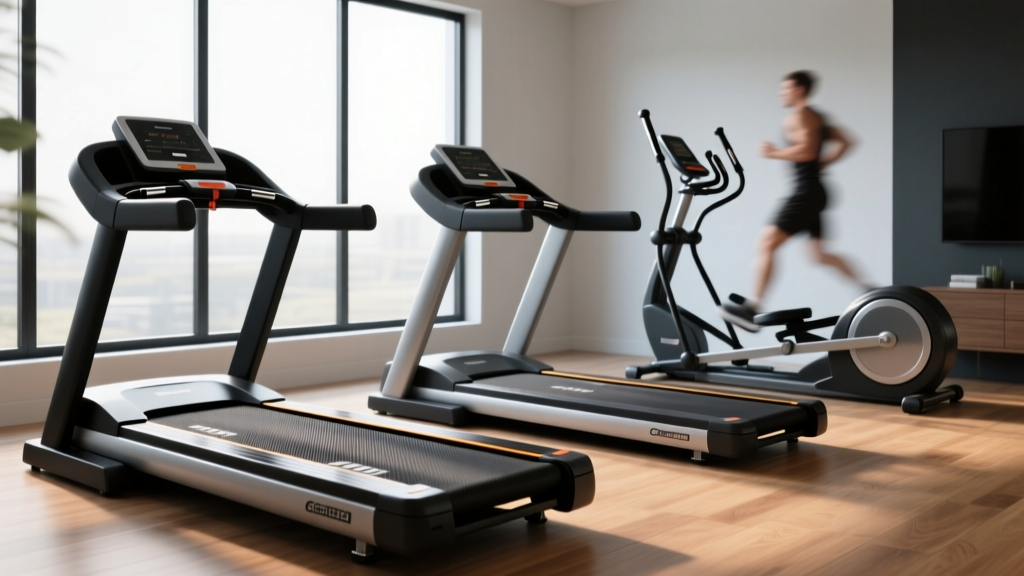
Anti-Gravity Treadmill Buying Guide: Step-by-Step Comparison
Follow our step-by-step beginner's guide to comparing anti-gravity treadmill features, from DAP tech to harness systems, pricing, and home setup needs.

When you first hear the term anti-gravity treadmill, it is easy to imagine a sci-fi fitness device that floats you in mid-air. In reality, an anti-gravity treadmill—clinically referred to as a Body Weight Support (BWS) treadmill—is a highly specialized piece of cardio and rehabilitation equipment designed to reduce the gravitational load on your joints and spine. Whether you are a beginner recovering from a lower-body injury, a runner looking to safely increase mileage, or a physical therapist outfitting a clinic, understanding how to compare these machines is critical.
As we navigate the 2026 home-rehab and premium fitness market, the barrier to entry for unweighting technology has shifted. However, the price tags and spatial requirements remain significant. This step-by-step beginner's guide will walk you through the essential feature comparisons, technological differences, and real-world buying considerations for anti-gravity treadmills.
Step 1: Understand the Two Core Unweighting Technologies
The most common beginner mistake is assuming all anti-gravity treadmills work the same way. The market is currently divided into two distinct technological categories: Differential Air Pressure (DAP) and Overhead Harness Systems. According to the NASA Spinoff program, DAP technology was originally developed using NASA patents to help astronauts maintain bone density and muscle mass in space before being adapted for terrestrial rehabilitation.
Differential Air Pressure (DAP) Enclosures
DAP systems, pioneered by brands like AlterG, utilize a specialized airtight enclosure that zips around the user's waist via neoprene shorts. A high-powered compressor inflates the bubble, lifting the user from the bottom up. This distributes the unweighting force evenly across the lower body, eliminating the localized chafing and pelvic discomfort associated with traditional harnesses.
Overhead Harness Systems
Overhead systems use a network of bungee cords, cables, and pulleys attached to a pelvic and thigh harness. While modern 2026 iterations feature motorized winches to adjust tension on the fly, they still pull the user upward from a single focal point, which can alter natural gait mechanics at higher unweighting percentages.
| Feature Comparison | DAP Enclosure (e.g., AlterG) | Overhead Harness (e.g., LiteGait) |
|---|---|---|
| Unloading Mechanism | Air pressure balloon lifting from below | Motorized winch pulling from above |
| Precision | 1% increments (20% to 100% Body Weight) | 5% to 10% increments (varies by model) |
| Gait Alteration | Minimal; allows natural arm swing | Moderate; overhead rig restricts movement |
| Average New Cost | $35,000 - $45,000+ | $4,000 - $15,000 |
Step 2: Evaluate Weight Unloading Percentages and Precision
The primary reason to invest in an anti-gravity treadmill is the ability to precisely control how much body weight your joints absorb. When comparing features, look closely at the minimum unweighting threshold and the increment step.
- Clinical DAP Models: The AlterG M320 allows users to reduce their body weight impact down to 20% (meaning an 80% unload) in exact 1% increments. This is vital for early-stage post-operative rehab, such as ACL reconstruction or total knee arthroplasty, where a 5% difference can dictate whether a patient experiences pain.
- Home Harness Add-Ons: Systems designed to retrofit standard treadmills (like the Run Free Pro or generic ceiling-mounted BWS rigs) typically max out at a 30% to 40% unload. Furthermore, the tension is estimated via spring stretch markers rather than digital load cells, making exact replication of a rehab protocol difficult.
Expert Insight: If your goal is general joint relief for osteoarthritis, a 15-20% unweighting harness system is sufficient. If you require clinical-grade gait retraining or are recovering from spinal fusion surgery, the 1% precision of a DAP system is non-negotiable. Studies published in the National Institutes of Health (NIH) highlight that precise body weight support significantly improves gait symmetry in neurological and orthopedic patients compared to unassisted treadmill training.
Step 3: Compare the Underlying Treadmill Hardware
Beginners often focus so heavily on the 'anti-gravity' aspect that they forget to evaluate the actual treadmill belt and motor. An unweighting enclosure puts unique stress on the deck because the user's center of gravity is artificially stabilized, often leading to heavier, more repetitive strike patterns in the exact same zone of the belt.
Motor and Deck Specifications
When reviewing the spec sheet of an integrated anti-gravity treadmill, demand the following baselines:
- Continuous Duty Horsepower (CHP): Look for a minimum of 3.0 CHP for walking/light jogging, and 4.0 CHP for running. The compressor for a DAP system draws its own power, but the belt motor must handle sustained loads without thermal throttling.
- Belt Dimensions: A minimum of 20 inches wide by 56 inches long. The enclosure or harness rig can slightly restrict your natural stride length and lateral drift; a narrower belt (e.g., 18 inches) will cause you to clip the sides of the enclosure.
- Deck Cushioning: While the air pressure or harness absorbs vertical impact, the deck must still feature multi-zone elastomer cushioning to mitigate the high-frequency vibrations that travel up the tibia during the heel-strike phase.
Step 4: Assess Spatial, Electrical, and Installation Edge Cases
This is where most home buyers encounter catastrophic failure in their purchasing journey. An anti-gravity treadmill is not a plug-and-play piece of equipment like a standard folding cardio machine.
⚠️ Critical Warning: Electrical & Spatial Limits
Electrical: A true DAP treadmill compressor requires a dedicated 20-amp circuit (NEMA 5-20R receptacle). Plugging an AlterG or similar DAP unit into a standard 15-amp bedroom circuit shared with lights or a TV will trip the breaker the moment the compressor engages to lift a user over 180 lbs.
Spatial: Overhead harness systems require ceiling-mounted trusses capable of supporting dynamic loads of 400+ lbs, or massive floor-standing gantries that require ceiling heights of at least 9 feet. DAP enclosures add significant bulk to the rear of the treadmill; you must allow an extra 36 inches of clearance behind the machine for the compressor housing and air intake vents.
Step 5: Navigate Pricing, Refurbished Markets, and Rentals
As of 2026, the pricing landscape for anti-gravity treadmills remains steep for the average consumer, but alternative acquisition methods have matured.
- New Clinical DAP Units: Expect to pay between $35,000 and $45,000 for a new AlterG M320 or equivalent clinical model. This includes installation, calibration, and initial neoprene short sizing kits.
- Certified Refurbished Market: Physical therapy clinics frequently upgrade their fleets. Certified refurbished DAP treadmills can be found in the $18,000 to $24,000 range. Crucial Check: Ensure the refurbishment includes a replacement of the internal air blower seals and the enclosure zipper track, which are the most common failure points after 5 years of use.
- Home Harness Retrofit Kits: If you already own a high-quality standard treadmill (e.g., a Nordicick or Sole F85), you can purchase an overhead unweighting gantry and harness kit for $2,500 to $5,000. This is the most cost-effective route for home users seeking mild joint offloading.
- Rental Programs: Many regional medical supply companies offer DAP treadmills for home rental at $800 to $1,200 per month. This is highly recommended for beginners who only need the machine for a 12-week post-surgical protocol.
Step 6: Factor in Ongoing Maintenance and Consumables
Unlike a standard treadmill where maintenance is limited to belt lubrication and tensioning, anti-gravity systems require consumable replacements.
If you opt for a DAP system, you must purchase specialized neoprene shorts with an airtight zipper that mates with the enclosure. These shorts degrade with sweat, friction, and repeated washing. Expect to spend $150 to $250 per pair, and most active users require two to three pairs annually. Additionally, the zipper track on the main enclosure requires monthly application of specialized silicone-based lubricants to prevent air leaks, which will trigger the machine's safety auto-deflate protocols if ignored.
Final Buying Checklist for Beginners
Before signing a purchase order or rental agreement, verify the following against your specific needs:
- Have I confirmed my home or clinic has a dedicated 20-amp electrical circuit?
- Does my ceiling height and floor space accommodate the specific gantry or compressor footprint?
- Do I need clinical 1% precision (DAP), or is a 10% increment harness sufficient for my joint relief?
- Have I calculated the annual cost of replacement neoprene shorts or harness wear-parts?
- Is a 3-month rental a more financially sound decision for my current rehabilitation timeline?
Investing in an anti-gravity treadmill is a commitment to joint longevity and accelerated recovery. By systematically comparing the unweighting technology, hardware specs, and real-world installation requirements, you can confidently select the system that bridges the gap between clinical efficacy and your personal fitness goals.
More gear to consider
All reviews
Inspire Series T7s Treadmill Review: Small Spaces (2026)
3G Cardio Pro Runner Treadmill vs Rowing: Buying & Technique Mistakes

Preventing Dizziness on Treadmill Walking Pads: Compact Cardio Care

Treadmill Features & Setup Guide for Fat Burning Treadmill Workouts

Avoid the Treadmill Fail GIF: Top Stationary Bike Types Reviewed