
Air Bike vs Assault Bike Care & Treadmill Toning Workout Maintenance
Compare air bike and assault bike drivetrain longevity, plus essential deck maintenance to protect your treadmill during high-incline toning workouts.

When building a commercial facility or a high-end home gym in 2026, selecting the right cardiovascular equipment is only half the battle. The true cost of ownership lies in long-term maintenance. Two of the most heavily debated categories in the cardio space are fan-powered air bikes and motorized incline treadmills. While they target different physiological adaptations, both require meticulous, highly specific care protocols to survive daily abuse. In this guide, we break down the mechanical differences in an air bike versus Assault Bike comparison, and then pivot to the hidden mechanical toll that a rigorous treadmill toning workout places on your running deck.
Air Bike vs. Assault Bike: Drivetrain Longevity Compared
The term 'air bike' is often used interchangeably with 'Assault Bike', but from a maintenance perspective, the drivetrain architecture dictates your long-term care strategy. The original AssaultBike Classic utilizes a heavy-duty steel chain drive, whereas newer iterations like the AssaultBike Elite and competitors like the Rogue Echo Bike utilize reinforced poly-v or rubber belt drives. Understanding this distinction is critical for longevity.
| Feature | Chain Drive (AssaultBike Classic) | Belt Drive (AssaultBike Elite / Echo Bike) |
|---|---|---|
| Maintenance Frequency | High (Lubrication every 3-6 months) | Low (Zero-maintenance design) |
| Primary Failure Mode | Chain stretch and sprocket wear | Belt snapping under extreme torque |
| Repairability | High (Standard bicycle chain tools) | Low (Requires full OEM part replacement) |
| Noise Profile Over Time | Increases if unlubricated | Remains consistently silent |
| Estimated Drivetrain Lifespan | 3–5 years (with care) | 5–7 years (or until catastrophic snap) |
According to engineering teardowns referenced by Rogue Fitness for their belt-driven Echo Bike, belt systems eliminate the need for lubrication but introduce a new vulnerability: they cannot be re-tensioned easily once the rubber compound begins to degrade. Conversely, the chain on an AssaultBike Classic requires a PTFE-based lubricant (like Tri-Flow) to prevent the steel links from grinding against the fan sprocket, which can lead to premature bearing failure.
The Hidden Toll of the Treadmill Toning Workout
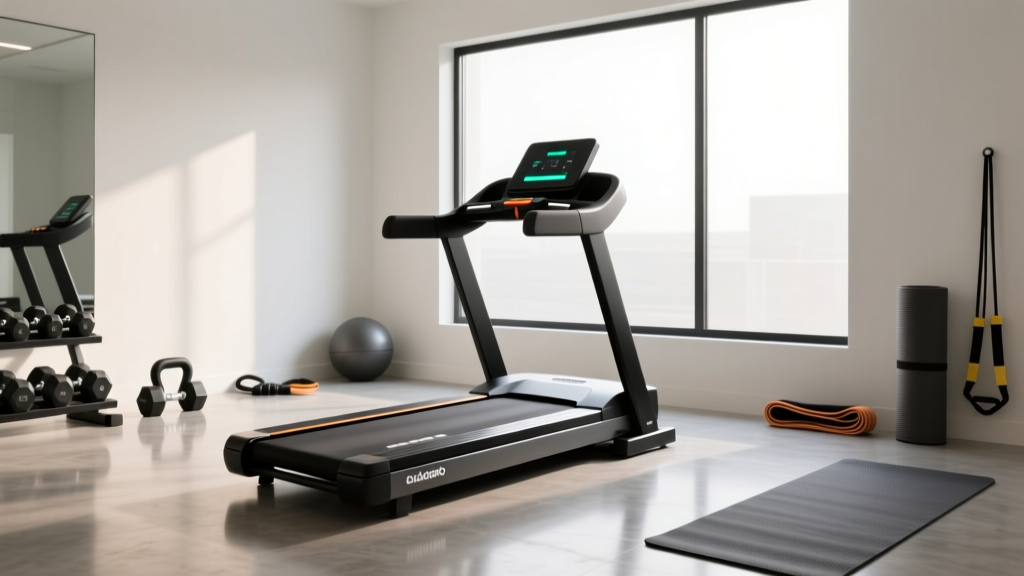
While fan bikes demand drivetrain scrutiny, motorized treadmills face a different enemy: friction. The modern treadmill toning workout—characterized by high-incline, low-speed walking (such as the viral 12-3-30 protocol or similar 15% incline routines)—places asymmetrical, sustained pressure on the rear-center of the running deck.
When a 180-pound user walks at 3 mph on a 15% incline, the foot strike generates significantly more downward force and localized heat than a 6 mph run on a 1% incline. This continuous dragging motion accelerates the wear of the deck's phenolic resin coating. If the silicone lubricant barrier is compromised, the PVC belt will begin to delaminate, and the treadmill's motor will draw excess amperage to overcome the friction, eventually tripping the thermal shutoff sensors found in most 2026 smart treadmills.
Identifying Deck Grooving
To check for incline-induced wear, power down the machine, unplug it, and lift the edge of the belt. Run your fingers along the center-rear of the deck. If you feel physical 'grooves' or dips in the wood composite, the deck is structurally compromised. Biomechanical analyses from the American Council on Exercise (ACE) highlight that uneven deck wear not only destroys equipment but subtly alters a user's gait, increasing the risk of Achilles and plantar fascia strain during steep incline walking.
Step-by-Step Maintenance Protocols
To maximize the lifespan of your cardio fleet, implement these exact maintenance procedures.
1. Chain Tensioning (AssaultBike Classic)
- Use a 15mm wrench to loosen the rear axle nuts on both sides of the frame.
- Locate the chain tensioner bolts at the rear dropouts.
- Turn the tensioner bolts clockwise exactly two full rotations on each side to maintain wheel alignment.
- Check the slack: the chain should have exactly 1/2 inch of vertical play at the midpoint between the sprockets.
- Tighten the rear axle nuts to 40 Nm of torque using a torque wrench.
- Apply 4-5 drops of PTFE chain lube to each roller, wiping away excess to prevent dust adhesion.
2. Treadmill Deck Lubrication for Incline Training
- Frequency: Every 130 miles or every 3 months, whichever comes first. High-incline treadmill toning workouts reduce this interval to every 90 miles due to increased thermal load.
- Material: Use only 100% pure silicone treadmill lubricant. Never use petroleum-based products.
- Application: Loosen the rear roller bolts to create slack. Insert the silicone applicator tube under the belt, squeezing exactly 1 oz of fluid in a zig-zag pattern from the center to the edges.
- Distribution: Retighten the belt, power on the machine, and run it at 2 mph for 5 minutes to spread the silicone evenly across the deck.
Fan Blade and Bearing Maintenance
The massive fan on an air bike is its defining feature, but it also acts as a giant vacuum for dust, pet hair, and chalk. Over time, this debris builds up on the leading edges of the fan blades, creating an aerodynamic imbalance. This imbalance causes the main fan bearings to wear out prematurely, resulting in a rhythmic 'wobble' or clicking sound during high-RPM sprints.
The Fix: Once a month, use a vacuum with a brush attachment to clean the fan cage. For deep cleaning, wipe each individual blade with a damp microfiber cloth. If the fan already wobbles, the sealed cartridge bearings (typically 6203-2RS size for most commercial air bikes) must be pressed out and replaced. This is a $15 part, but requires a bearing puller tool.
Environmental Factors: Sweat, Dust, and Corrosion
Cardio machines are uniquely susceptible to environmental degradation. The salt in human sweat is highly corrosive to the exposed steel chains of an AssaultBike Classic and the exposed motor housings of a treadmill. Furthermore, treadmills placed in garages or basements are prone to moisture ingress, which can short out the lower control board.
For air bikes, always wipe down the chain guard and frame joints with a lightly damp cloth after heavy sweat sessions. For treadmills, ensure the room maintains a humidity level below 50% to protect the internal electronics and prevent the running belt from absorbing ambient moisture, which can cause edge-curling.
Repair vs. Replace: 2026 Cost Breakdown
Understanding the financial impact of maintenance helps gym owners and home users budget appropriately. According to equipment longevity data tracked by Consumer Reports, proactive maintenance can extend the life of a premium treadmill by up to 40%, delaying a $2,500+ replacement.
| Component | Average OEM Part Cost | Labor Difficulty | Replacement Trigger |
|---|---|---|---|
| Assault Bike Chain & Sprockets | $45 - $65 | Moderate (Requires chain breaker) | Chain stretch exceeds 0.75% |
| Air Bike Belt Drive | $70 - $95 | High (Requires full disassembly) | Visible cracking or snapping |
| Treadmill 100% Silicone Lube | $15 - $20 | Low (5-minute task) | Every 3 months / 130 miles |
| Treadmill Running Belt | $120 - $250 | Moderate (Alignment required) | Fraying edges or delamination |
| Treadmill Deck (Phenolic) | $180 - $350 | High (Heavy lifting required) | Visible grooving or burn marks |
Final Thoughts on Cardio Fleet Longevity
Whether you are crushing high-wattage intervals on an AssaultBike Elite or grinding through a grueling 45-minute treadmill toning workout on a 12% incline, your equipment is absorbing massive amounts of kinetic energy and friction. By respecting the mechanical differences between chain and belt drives, and by rigorously managing the thermal friction of high-incline treadmill decks, you can easily push your cardio machines well past their standard 5-year lifespans. Invest in the right lubricants, keep your torque wrenches handy, and your fleet will perform flawlessly for years to come.
More gear to consider
All reviews
Precor Treadmill Apple Watch vs Folding Treadmills: Space & Care

Beyond Well Fit Treadmill Reviews: Motor Size & Setup Walkthrough

Curved Manual vs Motorized: Echelon Stride 6 Treadmill Showdown

Elliptical vs Treadmill: The 2026 Treadmill Fitness Class Trend
Treadmill Feature Comparison & NordicTrack Troubleshooting
