
Training for a 5K on a Treadmill Schedule: Portable Cardio Budget Guide
Analyze the true costs and value of using compact portable cardio equipment for training for a 5K on a treadmill schedule in small spaces.

The Small-Space Runner’s Dilemma: Portable Cardio vs. 5K Demands
Urban living and strict budgets often force runners into a difficult compromise. You want to commit to training for a 5K on a treadmill schedule, but a commercial-grade $2,500 NordicTrack or Sole F80 is financially and spatially out of reach. Enter the booming market of compact portable cardio equipment. In 2026, foldable treadmills, under-desk walking pads, and portable rowers dominate small-space fitness. But can a sub-$600 portable machine actually withstand the biomechanical and mechanical stress of an 8-week 5K training block?
This budget breakdown and value analysis dissects the true cost of portable cardio options, exposing hidden failure modes and providing a realistic framework for apartment dwellers preparing for race day.
💡 Quick Budget Summary: While entry-level walking pads cost under $300, their 1.0 Continuous Horsepower (CHP) motors are mathematically incapable of handling 5K interval sessions without premature burnout. The true 'value sweet spot' for portable 5K training sits between $550 and $750, targeting foldable models with minimum 2.25 CHP motors and 50-inch belts.Decoding the Hardware: Why 'Portable' Complicates 5K Prep
When following a structured 5K plan, you will encounter tempo runs, interval sprints, and long steady-state jogs. Portable cardio equipment inherently restricts two vital metrics: stride length and thermal dissipation.
The Belt Length Penalty
Standard treadmills feature a 20-inch by 55-inch running surface. Compact foldables often shrink this to 17 inches by 45 inches. A 45-inch belt forces a shorter stride, artificially increasing your cadence. According to biomechanical principles cited by the American College of Sports Medicine (ACSM), altering your natural gait cycle for prolonged periods can lead to anterior knee pain and Achilles strain—critical risks when ramping up mileage for a 5K.
The Motor Duty Cycle Trap
Manufacturers of budget portable treadmills frequently advertise '2.5 Peak HP'. Peak HP only measures the motor's maximum output for a few seconds before tripping the thermal breaker. For training for a 5K on a treadmill schedule, you must look exclusively at Continuous Horsepower (CHP). A 30-minute steady-state run requires a motor that can dissipate heat continuously. Sub-$400 walking pads typically house 1.0 to 1.25 CHP motors, which will overheat and degrade the control board if pushed beyond a 15-minute jog.
2026 Compact Cardio Value Matrix
Below is a comparative analysis of the most popular portable cardio categories, evaluated specifically for their viability in a 5K training block.
| Equipment Category | Representative Model (2026) | Avg. Price | Motor / Resistance | 5K Viability Score |
|---|---|---|---|---|
| Mid-Tier Foldable Treadmill | Horizon Fitness T101 | $599 | 2.25 CHP, 10% Incline | 8.5 / 10 |
| Premium Walking Pad | KingSmith WalkingPad R2 | $499 | 1.25 HP, Max 7.5 MPH | 4.0 / 10 |
| Budget Foldable Treadmill | Sunny Health SF-T723016 | $289 | 1.0 CHP (Peak 2.0) | 3.0 / 10 |
| Compact Magnetic Rower | Stamina 1112 Smart Glide | $249 | Magnetic, 8 Levels | 7.0 / 10 (Cross-Train) |
Budget Breakdown: The True Cost of Portable 5K Training
When calculating the ROI of your equipment, the initial purchase price is only one variable. We must factor in maintenance, electricity draw, and the 'replacement tax' associated with hardware failure.
Scenario A: The False Economy of the $289 Budget Foldable
- Initial Cost: $289
- Electricity: Negligible (low wattage draw).
- Maintenance: High. Short belts require bi-monthly silicone lubrication ($15/year).
- Failure Rate: Running 5K distances (approx. 3.1 miles, taking 30-40 minutes) on a 1.0 CHP motor generates excessive heat. The PVC belt will stretch and fray within 8 months of heavy use. Control board replacement costs $180, if parts are even available.
- 2-Year Cost of Ownership: $289 + $180 (repair) = $469 (with high frustration and interrupted training).
Scenario B: The Value of the $599 Mid-Tier Foldable
- Initial Cost: $599
- Electricity: Slightly higher, but a 2.25 CHP motor runs efficiently without maxing out its thermal limit.
- Maintenance: Standard 100% silicone lube twice a year. The deck features a wax-coated cushioning system, reducing friction and motor strain.
- Failure Rate: Extremely low for users under 220 lbs. Horizon's lifetime frame warranty and 1-year parts coverage protect your investment.
- 2-Year Cost of Ownership: $599 + $30 (lube) = $629 (reliable, uninterrupted 5K prep).
Expert Insight: Never buy a portable treadmill for 5K training if the user weight exceeds the machine's stated capacity. A 200 lb runner on a machine rated for 220 lbs will push a compact motor to 95% capacity, accelerating belt wear by up to 300%. Always buy a machine with a weight capacity at least 50 lbs above your body weight.
Adapting Your 5K Treadmill Schedule for Low-Profile Machines
If you are committed to training for a 5K on a treadmill schedule using a compact machine like the WalkingPad R2 (which lacks incline and caps at 7.5 MPH), you must modify standard training plans. The CDC's physical activity guidelines emphasize achieving cardiovascular thresholds, which can be manipulated without sheer speed.
Step-by-Step Schedule Modifications
- Simulating Incline (The Resistance Hack): Since most portable treadmills sit at a 0% grade, wear a weighted vest (10-15 lbs) during your 'hill repeat' days. This increases the metabolic demand and mimics the glute/hamstring activation of a 5% incline without overloading the compact motor.
- Speed-Capped Intervals: If your machine maxes out at 7.5 MPH (an 8:00/mile pace) and your 5K goal requires 7:00/mile intervals, switch from speed to cadence. Perform 1-minute intervals focusing purely on 180+ steps-per-minute (SPM) at 7.0 MPH, followed by 1-minute recovery jogs.
- Split Long Runs: Compact belts and motors are not designed for 60-minute continuous loads. Split your Sunday 'long run' into two sessions: a 30-minute outdoor run (if weather permits) and a 30-minute portable treadmill session, or break it into morning/evening indoor sessions to allow the motor housing to cool.
Cross-Training Alternatives for the Budget-Conscious
The American Heart Association recommends mixing modalities to prevent overuse injuries. If a compact treadmill is out of your budget, consider portable cross-trainers to supplement outdoor running.
Compact Rowers ($150 - $300)
Machines like the Stamina 1112 fold in half and slide under a bed. Rowing builds the posterior chain and VO2 max required for the final 1K sprint of a 5K, with zero impact on the joints. It is an elite budget alternative for cardio days.
Mini Steppers ($60 - $120)
While portable hydraulic steppers (like the Sunny Health NO. 012) are excellent for glute activation, they lack the cardiovascular ceiling required for 5K tempo work. Use them strictly for active recovery days, not primary cardio conditioning.
Frequently Asked Questions
Can I train for a sub-25 minute 5K on a walking pad?
A sub-25 minute 5K requires holding a pace faster than 8:00/mile (7.5 MPH). Most walking pads physically cap at 7.5 MPH and lack the belt length to safely sustain that speed. You will need a true foldable treadmill with a 2.0+ CHP motor and a 50-inch deck.
Do portable treadmills require special floor mats?
Yes. Because portable treadmills lack the heavy, vibration-dampening steel frames of commercial models, they transmit high-frequency micro-vibrations to the floor. A 3/8-inch thick EVA foam mat ($30-$45) is mandatory to prevent structural damage to apartment subfloors and to reduce noise complaints from downstairs neighbors.
How often should I lubricate a compact treadmill belt?
Compact treadmills experience higher friction per square inch due to smaller deck surfaces and lower-torque motors. Inspect the belt monthly. If the edges feel dry or the motor housing feels unusually hot after a 20-minute run, apply 100% silicone treadmill lube immediately.
Final Verdict: Where Should Your Budget Go?
When training for a 5K on a treadmill schedule in a small space, attempting to save money on sub-$300 walking pads will ultimately cost you more in replacement parts and derailed training blocks. The optimal budget allocation is to invest $550–$650 in a mid-tier foldable treadmill (like the Horizon T101) that offers a legitimate 2.25 CHP motor and basic incline. Pair this with a $30 floor mat and a $15 silicone lube kit. This setup provides a 90% effective indoor training environment that will safely carry you through your 5K race day without destroying your living room or your wallet.
More gear to consider
All reviews
NordicTrack Treadmill Belt Tension vs. Walking Pads: 2026 Review

Beyond the 12/3/30 Treadmill Workout: Rowing Machine Buying & Technique
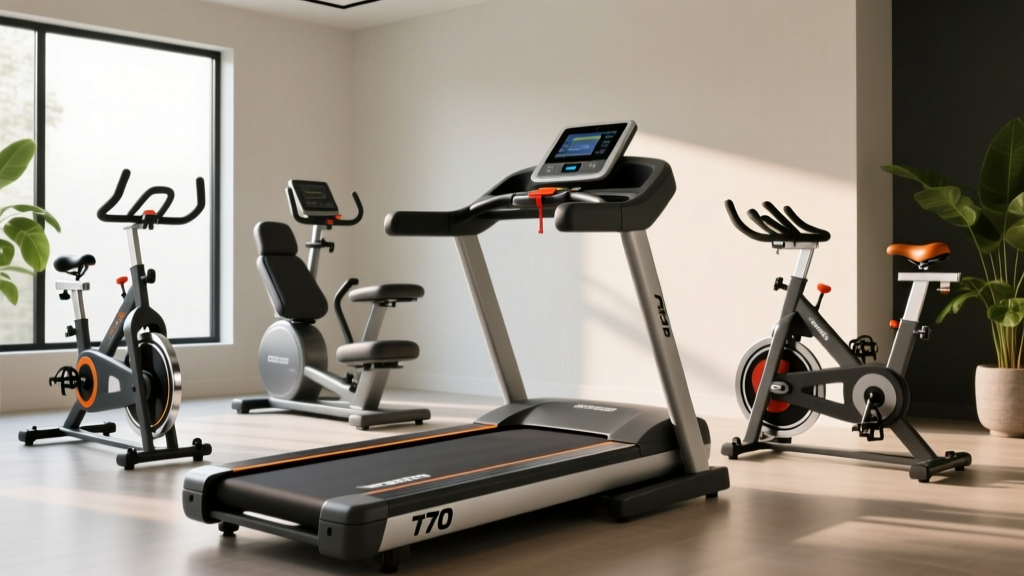
Budget Breakdown: T70 Treadmill vs Upright, Recumbent & Spin Bikes

The Long Walk Treadmill Screening: Elliptical vs Treadmill 2026

Elliptical vs Treadmill: What a Paragon Sports Running Services Gait Analysis Treadmill Video New York Runners Trust Teaches Us
