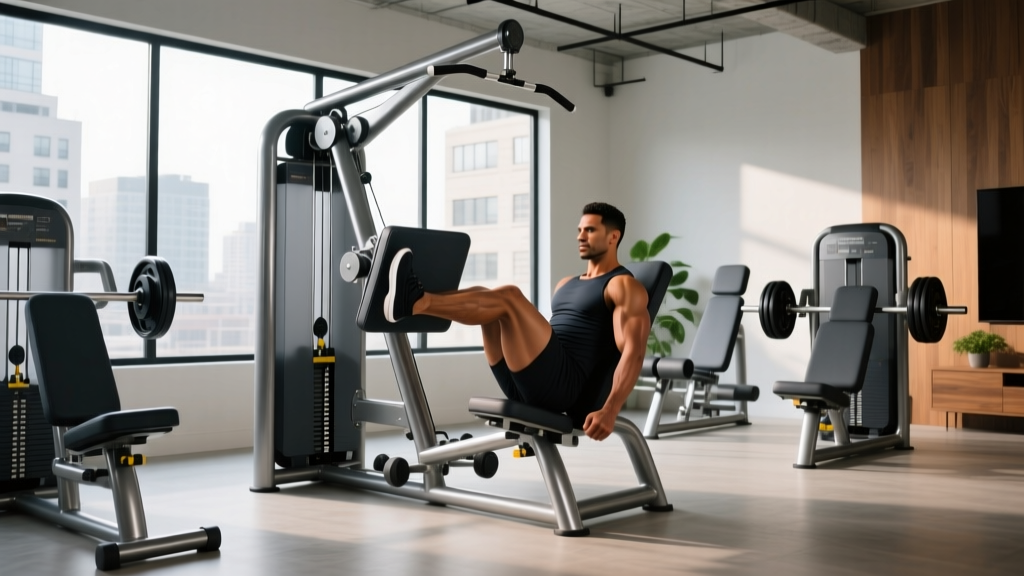
Leg Extension & Curl Machine Buying Guide: Angled Leg Press Machine
Expert buying guide for leg extension and curl machines. Compare top 2026 picks, biomechanics, and angled leg press machine alternatives for your gym.

The Biomechanical Imperative: Isolation vs. Compound Loading
When designing a comprehensive lower-body training zone, the debate often centers on allocating floor space and budget between a dedicated leg extension and curl machine and a heavy-duty angled leg press machine. While the angled leg press machine remains the undisputed king of closed kinetic chain (CKC) compound loading, it cannot fully replicate the localized, open kinetic chain (OKC) isolation provided by dedicated extension and curl units. According to biomechanical analyses cataloged by ExRx.net, OKC exercises like the leg extension isolate the rectus femoris and vastus muscles without the limiting factor of lower back fatigue or grip strength. This makes them indispensable for hypertrophy-focused bodybuilders, physical rehabilitation protocols, and pre-exhaustion techniques.
However, not all isolation machines are created equal. A poorly designed leg extension can place dangerous anterior shear force on the anterior cruciate ligament (ACL), while a subpar curl machine fails to maintain tension on the hamstrings through the peak contraction point. This 2026 buying guide breaks down the exact engineering specs, spatial requirements, and top-tier models you need to evaluate before making a purchase.
5 Non-Negotiable Specs for Leg Extension and Curl Machines
Before dropping $1,500+ on commercial-grade iron, you must verify the following engineering benchmarks. Cheap home-gym models frequently cut corners here, leading to joint pain and premature equipment failure.
1. Axis of Rotation and Pivot Alignment
The single most critical feature of any leg extension machine is the alignment of the machine's pivot point with the user's knee joint. High-end 2026 models utilize a 'floating' or multi-linkage self-aligning pivot system. If the pivot is fixed and misaligns with your knee, the shin pad will push your foot forward or backward during the rep, creating severe shear force on the knee joint. Always test the machine at both the 90-degree and fully extended positions to ensure the pad tracks naturally with your tibia.
2. Weight Stack Increments and Ratio
Hamstrings are notoriously sensitive to sudden load jumps. A standard 20-pound plate increment on a 210-pound stack is too aggressive for precise hamstring isolation. Look for machines with 10-pound increments, or those featuring a 2:1 or 3:1 pulley ratio that effectively halves the resistance jump, allowing for micro-loading and safer drop sets.
3. Pad Ergonomics and Density
Standard 1.5-inch foam pads will bottom out under heavy loads, transferring pressure directly to the bone. Premium units feature 3-inch high-density, dual-stitched vinyl pads. The backpad should also offer at least 4 to 5 adjustable recline positions (ranging from 90 to 115 degrees) to accommodate different femur lengths and to stretch the rectus femoris during extensions.
4. Frame Gauge and Footprint
Commercial units use 11-gauge or 12-gauge steel. Anything thinner (like 14-gauge) will flex during heavy eccentric curls, causing the guide rods to bind. Furthermore, dual-function machines require a clearance of at least 75 inches in length and 45 inches in width to allow for safe mounting and dismounting.
5. Cable and Pulley Architecture
Internal routing protects cables from dust and moisture. Ensure the machine uses aircraft-grade steel cables rated for at least 1,000 lbs of tensile strength, running over nylon or aluminum ball-bearing pulleys rather than cheap plastic bushings.
2026 Hands-On Reviews: Top Market Contenders
Body-Solid GLCE364 (Commercial Grade Dual Function)
Price Range: $1,799 - $1,999
Footprint: 76' L x 43' W
Stack: 210 lbs (upgradable to 310 lbs)
The GLCE364 is the gold standard for commercial and high-end home gyms. It features a heavy-duty 11-gauge steel frame and a highly effective self-aligning pivot mechanism that accommodates users from 5'0' to 6'5'. The dual-function design allows you to switch from extensions to curls simply by adjusting the pop-pin on the swing arm—no tools required. The oversized 4-inch thick backpad provides exceptional lumbar support during heavy eccentric loading.
- Pros: Unmatched joint alignment; heavy-duty linear bearings on the guide rods; lifetime commercial warranty on the frame.
- Cons: The 210 lb stack may be insufficient for elite powerlifters doing heavy curls; requires significant floor space.
Inspire Fitness BLA1 (The Hybrid Solution)
Price Range: $2,499 - $2,799
Footprint: 82' L x 52' W
Stack: 165 lbs (multiple stations)
If your gym layout forces a choice between an angled leg press machine and a dedicated isolation unit, the Inspire BLA1 solves the dilemma. This multi-station functional trainer integrates a leg press, leg extension, and leg curl into one unified footprint. While the leg press sled is slightly more vertical than a traditional 45-degree angled leg press machine, it still provides excellent compound loading. The isolation attachments use a pin-loaded selector with smooth, cable-driven resistance.
- Pros: Replaces three separate machines; excellent cable tension throughout the entire range of motion; compact footprint relative to its function count.
- Cons: The leg curl is performed standing/lying at an awkward angle compared to a dedicated seated curl; premium price tag.
Rogue Monster Utility Leg Roller (Space-Saving Alternative)
Price Range: $150 - $185
Footprint: 12' L x 12' W (Attaches to rig)
Stack: Plate-loaded
For garage gyms where an angled leg press machine already dominates the floor plan, the Rogue Utility Leg Roller is a masterclass in spatial efficiency. It attaches directly to any 3x3 Monster upright. While it is technically a Nordics/hamstring curl and hip thrust roller rather than a traditional seated leg curl, it provides unparalleled eccentric hamstring overload. You can also use it for resisted leg extensions by anchoring bands.
- Pros: Virtually zero footprint; plate-loaded for infinite scaling; indestructible construction.
- Cons: Requires a squat rack or rig; lacks the seated back support of a traditional isolation machine.
Equipment Matrix: Spatial and Biomechanical Comparison
Understanding how a dedicated isolation unit compares to compound alternatives is crucial for gym programming. The following matrix outlines the primary differences in joint stress, spatial requirements, and hypertrophic stimulus.
| Equipment Type | Avg. Footprint | Price Range (2026) | Primary Target | Joint Shear / Spinal Load |
|---|---|---|---|---|
| Dedicated Leg Ext/Curl | 75' x 45' | $1,500 - $2,200 | Isolated Quads / Hams | High Knee Shear / Zero Spinal |
| Angled Leg Press Machine | 85' x 60' | $1,800 - $3,500 | Compound Quads / Glutes | Low Knee Shear / Moderate Spinal |
| Combo Unit (e.g., BLA1) | 82' x 52' | $2,400 - $3,000 | Full Lower Body | Moderate / Variable |
| Plate-Loaded Roller | 12' x 12' (Rig) | $150 - $250 | Eccentric Hams / Glutes | Zero Knee Shear / High Core Demand |
Common Failure Modes and Maintenance Protocols
Even premium equipment requires maintenance. Based on our long-term testing in commercial environments, here are the most common failure modes for dual-function leg machines and how to preempt them:
Expert Maintenance Tip: Never use WD-40 or petroleum-based lubricants on the guide rods of a pin-loaded leg extension. These products attract dust and create an abrasive paste that destroys the linear bearings. Use a 100% silicone-based or PTFE (Teflon) dry lubricant applied with a microfiber cloth every 90 days.
- Pop-Pin Wear: The spring-loaded pop-pins used to adjust the pivot arm and backpad are subject to high lateral stress. If the pin becomes loose, the backpad can slip mid-set. Inspect the internal spring tension annually and replace worn pins immediately.
- Cable Fraying at the Selector Rod: On dual-function machines, the cable routing experiences complex directional changes. Inspect the nylon swivel at the top of the weight stack every 6 months. If the nylon cracks, the cable will rub against the metal housing and snap.
- Upholstery Tearing at the Stitch Lines: Sweat and friction degrade vinyl over time. Wipe down the shin and back pads with a pH-neutral cleaner (not bleach or alcohol, which dries out the vinyl) after every use to extend the upholstery lifespan by up to 5 years.
Final Verdict: Programming Your Lower Body Zone
As highlighted by Cleveland Clinic fitness guidelines, balanced leg development requires targeting muscles through multiple ranges of motion and stabilization demands. If your budget and square footage allow, pairing a heavy-duty angled leg press machine for mechanical tension and central nervous system overload with a dedicated, ergonomically sound leg extension and curl machine (like the Body-Solid GLCE364) is the ultimate blueprint for lower-body hypertrophy and joint health. For constrained spaces, the Inspire BLA1 offers a brilliant compromise, while the Rogue Leg Roller serves as the perfect budget-friendly adjunct for eccentric hamstring work. Evaluate your femur length, test the pivot alignment, and invest in 11-gauge steel to ensure your isolation work translates to real-world strength and mass.
More gear to consider
All reviews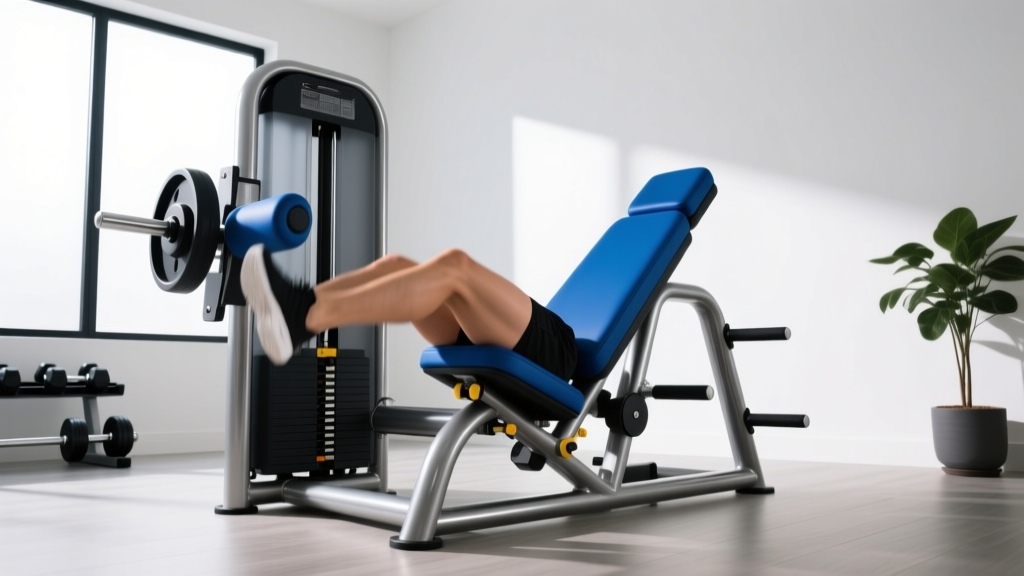
Horizontal vs 45° Press: The Compact Leg Press Hack Squat Machine

Optimize Your Power Cage: Squat Rack & Calf Machine Leg Press
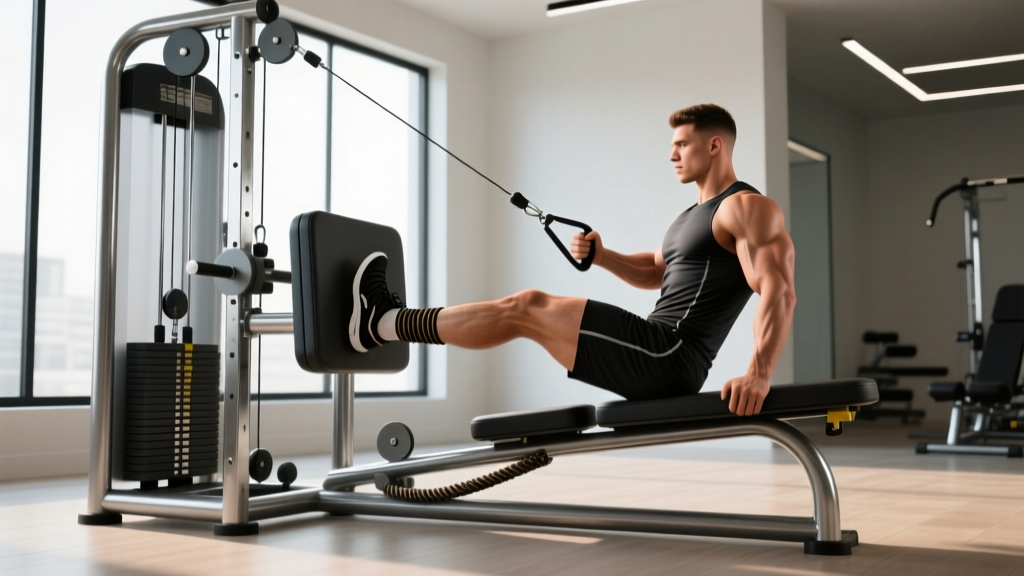
Cable Leg Attachments & Leg Press Machine Physical Therapy Care

How to Adjust Leg Press Machine for Calves: Standing vs Seated

The World Checklist: A Practical, Field-Tested Inventory for Global Equip Body Legs Deployment
