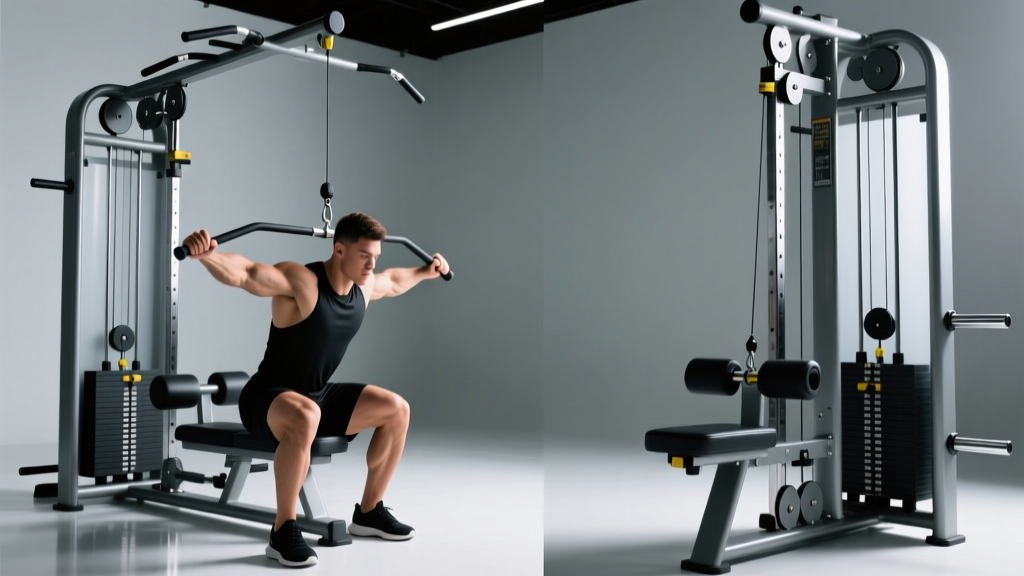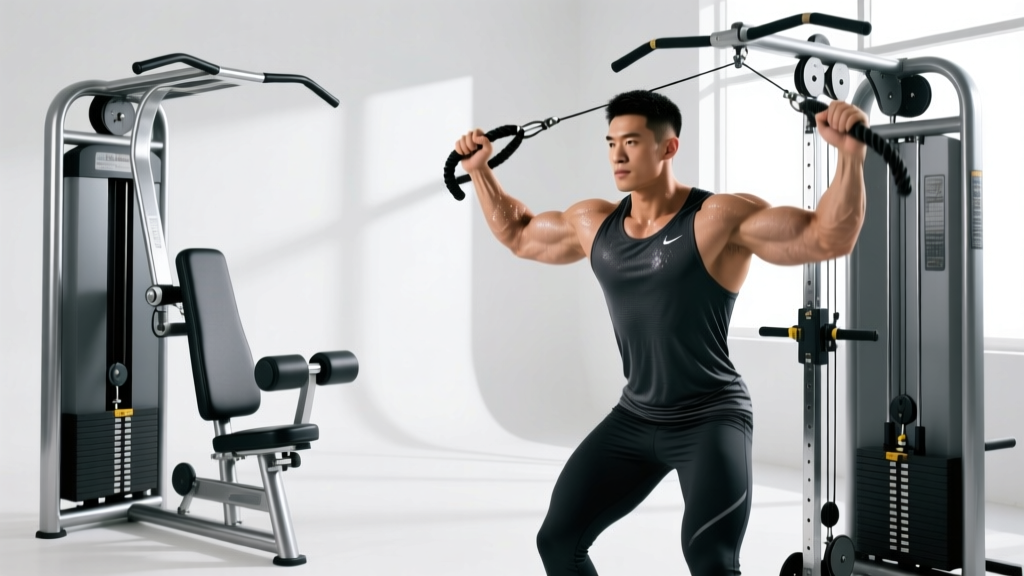
Bicep Curl Machines vs Cable Machine Rope Curls (2026 Guide)
Compare dedicated bicep curl machines with cable machine rope setups. Our 2026 guide covers biomechanics, top models, pricing, and routines.

The Biomechanics of Arm Training: Cams vs. Cables
When designing an arm training protocol in 2026, lifters and gym owners face a critical equipment decision: invest in dedicated bicep curl machines or utilize versatile cable systems with specialized attachments. Both modalities drive hypertrophy, but they manipulate the strength curve and joint mechanics in fundamentally different ways. According to the ExRx Muscle Directory, the biceps brachii functions primarily as an elbow flexor and forearm supinator, while the underlying brachialis acts purely as a flexor. Understanding how different machines target these specific functions is the key to maximizing arm growth.
Dedicated machines rely on precision-machined cams to match the human strength curve, providing maximal resistance where the muscle is strongest. Conversely, cable systems provide constant linear tension throughout the entire range of motion. This guide breaks down the engineering, pricing, and practical application of both setups to help you make an informed buying decision.
Dedicated Bicep Curl Machines: Types and Top 2026 Models
Dedicated arm machines are the cornerstone of commercial bodybuilding gyms. They isolate the elbow flexors by stabilizing the torso and shoulders, eliminating momentum and lower-back involvement.
1. Selectorized Preacher Curl Machines
Selectorized machines use a weight stack and a cam-and-belt system. The Life Fitness Integrity Series Biceps Curl remains the gold standard in 2026. Its biomechanically tuned cam increases resistance at the mid-range (roughly 90 degrees of elbow flexion) where the biceps can produce the most force, and deloads slightly at the top and bottom to protect the distal bicep tendon.
- Price Range: $3,800 - $4,500
- Weight Stack: 200 lbs (standard), 250 lbs (heavy)
- Footprint: 34 x 42 inches
2. Plate-Loaded Iso-Lateral Machines
Plate-loaded options, like the Hammer Strength Iso-Lateral Bicep Curl, offer independent arm movement. This prevents strength imbalances from being masked by a fixed barbell. The converging axis of motion mimics the natural arc of the arm as it flexes, pulling the hands slightly inward toward the face at peak contraction.
- Price Range: $2,600 - $3,200
- Max Capacity: 6+ plates per side (depending on sleeve length)
- Key Feature: Gas-strut assisted starting position to prevent shoulder strain at the bottom of the movement.
Mastering Bicep Curls: Cable Machine Rope Attachments
While dedicated machines offer stability, they lock your wrists into a fixed path. This is where executing bicep curls, cable machine rope attachments provide a massive advantage. A dual-pulley cable system paired with a heavy-duty rope allows for dynamic wrist rotation (supination) and variable grip widths.
Why the Rope Beats the Straight Bar for Cables
When performing cable curls with a straight bar, your wrists are locked in full supination from the start. A rope attachment allows you to begin the movement in a neutral grip (palms facing each other), which heavily recruits the brachialis and brachioradialis. As you pull upward, you actively rotate your wrists outward, finishing with palms facing up. This combined flexion and supination triggers maximum motor unit recruitment in the biceps brachii.
Choosing the Right Rope Specifications
Not all ropes are built for bicep training. Most standard gym ropes are 24 inches long, designed for tricep pushdowns. For bicep curls, a 24-inch rope forces your knuckles to smash together at the top of the movement, artificially limiting your range of motion.
For optimal bicep rope curls, upgrade to a 28-inch or 32-inch rope. The Rogue Fitness Monster Rope ($45) or the Rep Fitness V2 28-inch Rope ($35) feature thicker, knurled aluminum ends and longer nylon spans, allowing you to pull the rope apart past your shoulders at peak contraction without wrist impingement.
Head-to-Head Comparison Matrix
Use the table below to evaluate which equipment type fits your facility's space, budget, and training philosophy.
| Feature | Selectorized Machine | Plate-Loaded Machine | Cable Machine w/ Rope |
|---|---|---|---|
| Resistance Profile | Variable (Cam-matched) | Variable (Arc-matched) | Constant Linear Tension |
| Supination Freedom | Fixed (Usually neutral or supinated) | Fixed (Converging path) | Unrestricted (Full rotation) |
| Space Required | ~10 sq ft | ~12 sq ft | Uses existing functional trainer |
| Entry Cost (2026) | $3,800+ | $2,600+ | $35 - $50 (Attachment only) |
| Best For | Rehab, beginners, strict isolation | Heavy overload, advanced lifters | Metabolic stress, brachialis focus |
Failure Modes and Equipment Maintenance
When investing in commercial or high-end home gym equipment, understanding long-term failure modes is critical for protecting your ROI.
Dedicated Machine Wear Points
- Selectorized Belts: The Kevlar-reinforced belts on cam machines typically last 7-10 years. If the belt slips, the machine will drop weight unexpectedly. Annual tension checks are mandatory.
- Pivot Point Friction: Plate-loaded machines use bronze or sealed ball bearings at the pivot. If exposed to high humidity without regular silicone lubrication, the bearings will pit, resulting in a 'gritty' feel during the eccentric phase.
Cable and Rope Degradation
Cable machines use aircraft-grade steel cables coated in nylon. The most common failure point is the swivel joint connecting the cable to the attachment. For rope attachments, the nylon braiding can fray if repeatedly dragged across the metal cable swivel. Inspect the rope's center loop every 6 months; if the inner core is visible, replace the rope immediately to prevent mid-set snapping.
Programming for Arm Growth: Combining Both Modalities
According to hypertrophy research highlighted by the Bodybuilding.com Training Guides, combining mechanical tension with metabolic stress yields the highest cross-sectional area increases in the elbow flexors. Here is a 2026-tested protocol that utilizes both machine types.
The Ultimate Bicep Superset Protocol
- Mechanical Tension (Plate-Loaded): Hammer Strength Iso-Lateral Bicep Curl. 3 sets of 6-8 reps. Focus on a 2-second eccentric (lowering) phase. Rest 90 seconds.
- Metabolic Stress (Cable Rope): Cable Machine Rope Bicep Curls. 3 sets of 12-15 reps. Use a 28-inch rope. Begin neutral, supinate at the top, and pull the rope apart. Hold the peak contraction for 1 second. Rest 60 seconds.
- Lengthened Position (Selectorized): Seated Preacher Curl Machine. 2 sets of 10-12 reps. Focus entirely on the bottom 30% of the movement where the bicep is fully stretched. Use a 3-second pause at the very bottom before initiating the concentric phase.
Frequently Asked Questions
Can I build massive arms using only a cable machine and rope?
Yes. A dual-pulley cable system with a long rope attachment provides constant tension and allows for the supination necessary to fully contract the biceps. However, dedicated machines allow for heavier absolute loads without the lower-back and core stabilization required when standing at a cable stack.
Why do my wrists hurt during cable rope curls?
Wrist pain during this movement usually stems from using a rope that is too short (24 inches or less). When the rope is too short, your hands collide at the top of the movement, forcing your wrists into extreme ulnar deviation. Switch to a 28-inch or 32-inch rope to allow your hands to pass outside your shoulders.
How often should I replace the rope attachment?
In a busy commercial gym environment, a high-quality nylon rope should be replaced every 12 to 18 months. For home gyms, they can easily last 5+ years. Always check the carabiner and swivel joint for metal fatigue before heavy sets.
More gear to consider
All reviews
12 Proven DIY Cold Ideas for Home, Workshop, and Emergency Preparedness

12 Practical DIY Roller Ideas for Home, Workshop, and Fitness Use
Life Fitness Bicep Curl Machine & Tricep Extension Guide

Troubleshooting EZ Bar, Straight Bar & Nautilus Biceps Curl Machine
Tricep Rope vs Bar: Cable Arms Beyond Nautilus Bicep Curl Machines