
Pilates Accessories Guide: Market Trends & Clean Yoga Mat Spray
Explore the 2026 Pilates accessories market. Our guide covers reformer gear trends, grip socks, and data on the best clean yoga mat spray formulations.

2026 Pilates Accessories Market Snapshot
The global mindful movement and Pilates equipment sector continues its aggressive expansion, with the accessories sub-segment growing at an estimated 9.2% CAGR. As boutique studios scale and home-practitioners invest in premium setups, the demand for specialized hardware upgrades, micro-traction soft goods, and advanced hygiene solutions has never been higher. This report analyzes the current landscape, highlighting where capital is flowing and how maintenance protocols are evolving.
The 2026 Hardware Accessory Boom: Beyond the Standard Reformer
While the global fitness equipment market continues to broaden, the Pilates niche has seen a distinct pivot toward modular accessories. Studio owners and dedicated home practitioners are no longer satisfied with base-model reformers; they are investing heavily in ergonomic and tactile upgrades to improve client retention and biomechanical feedback.
Tactile Feedback and Ergonomic Padding
The most significant hardware trend in 2026 is the replacement of standard foam and vinyl components with medical-grade silicone and high-density neoprene. For example, the Balanced Body Allegro 2 Silicone Footbar Grip (retailing around $85) has become a staple in premium studios. Unlike traditional rubber wraps that degrade and harbor bacteria, the silicone variant offers a non-porous surface with a Shore A hardness of 45, providing optimal grip without sacrificing joint comfort.
Similarly, shoulder rest upgrades have moved toward memory-foam hybrids. The standard vinyl pads on entry-level reformers often compress by up to 40% after 1,000 hours of use, leading to cervical misalignment during footwork. Upgrading to aftermarket Merrithew SPX Max Padded Shoulder Rests ($145-$160) ensures consistent density and reduces the kinetic shock transferred to the client's cervical spine during heavy spring-load exercises.
The Magic Circle and Resistance Ring Evolution
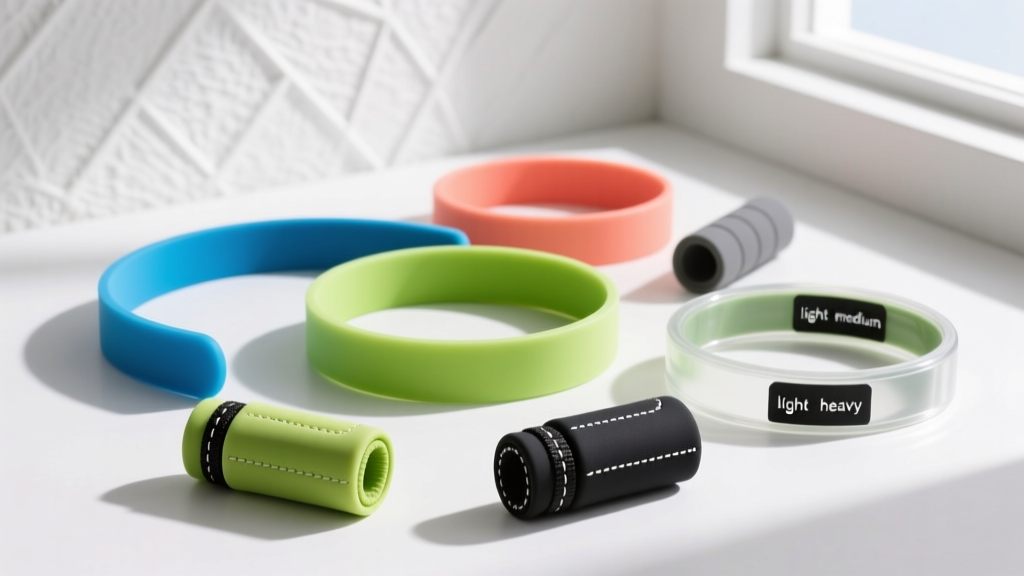
The traditional steel-banded magic circle is being rapidly phased out in favor of thermoplastic elastomer (TPE) and fiberglass-core alternatives. These modern rings, such as the Balanced Body Flex-Band Ring ($38), eliminate the risk of metal fatigue and snapping, a known failure mode in older steel models subjected to repetitive adduction forces exceeding 40 lbs of pressure.
The Hygiene Economy: Formulating the Perfect Clean Yoga Mat Spray
As Pilates studios increasingly blend reformer work with intensive matwork sequences, the crossover between Pilates and yoga equipment has blurred. Consequently, studio sanitation protocols have had to adapt. When sourcing a reliable clean yoga mat spray, facility managers are discovering that standard gym wipes and harsh chemical disinfectants are actively destroying their expensive equipment.
According to guidelines on environmental safety and antimicrobial usage from the EPA's Safer Choice program, there is a massive industry shift away from quaternary ammonium compounds (quats) and high-concentration alcohols. These chemicals cause severe polymer degradation in both natural rubber and TPE mats.
Polymer Chemistry and Cleaner Compatibility
To understand the market demand for a specialized clean yoga mat spray, one must understand the materials they are treating:
- Natural Rubber (e.g., JadeYoga Harmony): Highly porous and vulnerable to UV and alcohol. Alcohol-based sprays strip the natural lipids, causing micro-fissures, dry rot, and catastrophic tearing within 6 to 8 months of daily studio use.
- PVC (e.g., Manduka PRO): Dense and closed-cell, but requires a surfactant-based cleaner to lift sweat and sebum from the microscopic surface texture. Essential oil-heavy sprays can leave a dangerous, slippery residue on PVC.
- TPE (Thermoplastic Elastomer): Highly sensitive to citrus and tea tree oils, which break down the closed-cell structure over time, leading to flaking.
The 2026 market leader in this space is the enzymatic and plant-surfactant hybrid spray. These formulations utilize natural enzymes to break down the protein structures found in human sweat and sebum, rather than relying on harsh solvents. A premium clean yoga mat spray in this category maintains a strictly neutral pH (between 5.5 and 6.5) and requires a dwell time of 3 to 5 minutes to effectively neutralize odor-causing bacteria without degrading the mat's structural integrity.
| Product Formulation Type | Active Base | pH Level | Avg. Cost / Oz | Rubber & TPE Safe? |
|---|---|---|---|---|
| Enzymatic Plant-Surfactant | Protease / Amylase | 5.8 - 6.2 | $1.45 - $1.80 | Yes |
| Essential Oil Blend | Tea Tree / Lavender | 4.5 - 5.5 | $1.10 - $1.50 | No (Degrades TPE) |
| Quaternary Ammonium (Quats) | Benzalkonium Chloride | 7.0 - 9.0 | $0.30 - $0.50 | No (Causes Dry Rot) |
| Isopropyl Alcohol Base | 70% IPA | 6.5 - 7.0 | $0.15 - $0.25 | No (Strips Lipids) |
"In 2024, we were replacing our natural rubber matwork mats every nine months due to dry rot. We traced the failure mode directly to the alcohol-based disinfectants our cleaning crew was using. Switching to a pH-neutral, enzymatic clean yoga mat spray extended our equipment lifespan by over 300%, saving the studio nearly $4,000 annually in replacement costs."
— Sarah Jenkins, Owner of CoreAlign Boutique Studios
Soft Goods: The Micro-Traction Revolution
The soft goods segment of the Pilates accessories market has evolved far beyond basic cotton socks. The integration of biomechanical alignment cues into wearable accessories is a defining trend of 2026. Grip socks are now engineered with targeted compression zones and varied silicone tread patterns.
Market leaders like ToeSox and Falke are utilizing proprietary silicone-dot mapping that aligns with the foot's natural pressure points. The Falke Severe Grip Sock ($38), for instance, features a reinforced heel cup and arch compression that aids in proprioception during single-leg reformer work. Furthermore, the introduction of silicone heel cups and toe correctors (retailing between $15 and $25) has created a new micro-category of accessories designed specifically to correct valgus collapse and improve ankle stability during footwork sequences.
Strategic Budget Allocation for Studio Owners
For studio owners and serious home-gym builders looking to allocate a $2,500 accessory and maintenance budget in 2026, industry data suggests the following distribution for maximum ROI and client satisfaction:
- Hygiene & Maintenance (30% - $750): Invest in bulk, commercial-grade enzymatic clean yoga mat spray concentrates and microfiber application towels. Avoid single-use wipes which contribute to landfill waste and often contain degrading alcohols. Proper mat care is the highest ROI investment for equipment longevity.
- Ergonomic Hardware Upgrades (45% - $1,125): Prioritize client contact points. Upgrade footbar grips, shoulder rests, and headrests. As noted by physical therapy and fitness experts at the Mayo Clinic, proper spinal alignment and joint comfort are critical for preventing injury and ensuring the core-strengthening benefits of Pilates are realized safely.
- Soft Goods & Retail (25% - $625): Stock high-end, anatomically mapped grip socks and specialized resistance bands. These serve as both premium retail items for clients and essential tools for hybrid mat-reformer classes.
Frequently Asked Questions
Can I use a standard household multi-surface cleaner on my Pilates reformer mat and yoga mats?
No. Household cleaners often contain bleach, ammonia, or high concentrations of alcohol. These chemicals will immediately void the warranties on premium mats (like Manduka or Balanced Body) and will cause natural rubber to crack and PVC to become brittle over time. Always use a dedicated, pH-balanced clean yoga mat spray formulated for fitness polymers.
How often should reformer silicone grips be replaced?
While silicone is vastly superior to traditional rubber, high-traffic studios (30+ classes a day) should inspect footbar grips every 18 months. Look for micro-tears or a loss of tactile friction. For home studios, they typically last 5 to 7 years.
Are enzymatic sprays effective against gym-acquired bacteria?
Yes. Enzymatic cleaners break down the biofilm and organic matter (sweat, dead skin, sebum) that bacteria feed on. When used with the correct 3-to-5 minute dwell time, they effectively eliminate odor-causing bacteria without the need for harsh, respiratory-irritating chemicals like quats, making them ideal for the enclosed spaces of boutique Pilates studios.
More gear to consider
All reviews
Best Jump Rope Types & Yoga Mat Alternatives (2026)

Beyond Nike SKIMS Yoga Mat Hype: 2026 Exercise Ball Size Guide

Jump Rope Types: Speed, Weighted, Beaded & Louis Vuitton Yoga Mat

Exercise Ball Size Guide & Care for Eko Yoga Mat 5mm
Loop Band vs Tube Band: Budgeting Beyond a Regular Yoga Mat Size
