
Mat Thickness & Grip Comparison: Plus Manduka Yoga Mat Wash Guide
Compare yoga mat thickness, materials, and grip. Plus, learn the exact step-by-step Manduka yoga mat wash routine to preserve your mat's traction.

The Beginner's Step-by-Step Guide to Choosing and Caring for Your Yoga Mat
Walking into a yoga studio or browsing fitness retailers in 2026 can feel overwhelming. With hundreds of options on the market, selecting the right foundation for your practice comes down to three critical variables: material, thickness, and grip. However, buying the right mat is only half the battle. The way you clean and maintain your mat dictates how long it will last and how well it will perform over time.
This step-by-step guide will walk you through the material science of modern yoga mats, help you match the right thickness to your joints, and conclude with a masterclass on mat maintenance—including the highly recommended manduka yoga mat wash routine that preserves the legendary traction of closed-cell PVC mats.
Step 1: Decode Yoga Mat Materials and Cell Structures
The material of your mat determines its weight, environmental impact, and most importantly, its grip profile. In the fitness industry, materials are categorized by their "cell structure," which dictates how they handle sweat and bacteria.
| Material | Cell Structure | Grip Profile | Popular 2026 Model | Avg. Price |
|---|---|---|---|---|
| PVC | Closed-Cell | Dry grip (requires break-in) | Manduka PRO (6mm) | $140 |
| Natural Rubber | Open-Cell | Excellent wet/dry grip | Jade Harmony (4.7mm) | $85 |
| Polyurethane (PU) | Micro-Open | Instant grip when sweaty | Lululemon The Mat (5mm) | $128 |
| TPE (Thermo-Plastic Elastomer) | Closed-Cell | Moderate dry grip | Gaiam Essentials (6mm) | $25 |
Open-cell materials (like natural rubber) act like a microscopic sponge. They absorb sweat to create a non-slip surface, making them ideal for hot yoga. However, they also absorb bacteria and degrade faster. Closed-cell materials (like PVC) have a sealed surface. Sweat stays on top, meaning you might need a microfiber towel for hot classes, but the mat itself will easily last a decade if cleaned properly.
Step 2: Match Thickness to Your Practice and Joints
Thickness is not just about comfort; it directly impacts your balance and joint health. According to Wirecutter's comprehensive yoga mat testing, the wrong thickness can lead to wrist strain or knee bruising. Here is how to choose:
- 1.5mm to 2mm (Travel Mats): Best for packing in a suitcase. They offer zero joint cushioning and require a hard, forgiving surface like a carpeted hotel room or a studio floor.
- 3mm to 4mm (Standard): The sweet spot for Vinyasa and Ashtanga practitioners. This thickness provides enough cushion for your knees while maintaining a solid, stable connection to the floor for standing balances like Warrior III.
- 5mm to 6mm+ (Restorative & Joint Support): Ideal for Yin yoga, restorative practices, or practitioners with sensitive knees and wrists. Warning: Mats thicker than 6mm can create a "squishy" instability that makes balancing poses frustrating for beginners.
Step 3: Evaluate Grip and Texture
Grip is highly subjective and depends entirely on your sweat levels. If you practice gentle Hatha yoga and rarely sweat, a textured TPE or a broken-in PVC mat will serve you perfectly. If you practice Bikram or power Vinyasa, you need a mat with "wet grip" capabilities (PU or Natural Rubber).
Beginners often make the mistake of buying a cheap, ultra-smooth PVC mat from a big-box store, only to find their hands slipping in Downward-Facing Dog. This is usually due to two factors: the lack of surface texture, and the factory film left on the mat during manufacturing. This brings us to the most critical step in mat ownership: maintenance and preparation.
Step 4: Preserve Your Traction (The Manduka Yoga Mat Wash Routine)
If you invest in a premium closed-cell mat like the Manduka PRO, you must understand that body oils, lotions, and dead skin cells will create a microscopic, slippery film on the surface over time. To maintain the mat's legendary dry grip, a dedicated manduka yoga mat wash routine is non-negotiable. According to the official Manduka Mat Care guidelines, harsh chemicals and essential oils can actually break down the PVC structure or leave a slippery residue.
The Step-by-Step Daily & Weekly Wash Protocol
- The Post-Practice Wipe (Daily): Immediately after your session, spray your mat with a specialized, oil-free cleanser. The Manduka Mat Restore (approx. $14 for 8oz) uses a lemongrass and eucalyptus base that cuts through sebum without leaving a slick film. Wipe down with a damp microfiber cloth.
- The DIY Alternative: If you prefer a homemade solution, mix 3 parts distilled water with 1 part white vinegar in a spray bottle. The mild acidity of the vinegar breaks down body oils. Do not add essential oils like lavender or peppermint—they contain natural lipids that will make your closed-cell mat dangerously slippery.
- The Deep Clean (Monthly): For a deeper sanitization, use a few drops of unscented, dye-free dish soap (like Dawn Free & Clear) in a basin of warm water. Submerge a cloth, wring it out until it is barely damp, and scrub the mat in circular motions.
- The Drying Protocol: Never hang your mat in direct sunlight. UV rays will oxidize natural rubber and cause PVC to become brittle over time. Wipe the mat dry with a towel and hang it indoors in a well-ventilated area.
Beginner Troubleshooting: The "Salt Scrub" Break-In
Brand new PVC mats often come with a microscopic layer of factory fat that causes intense slipping. If your new mat feels like an ice rink, perform a one-time salt scrub. Sprinkle coarse sea salt generously over the mat, add a light mist of water, and scrub it in with a stiff-bristled brush or a damp cloth. Wipe it clean. This exfoliates the top layer and instantly activates the mat's natural grip.
Common Beginner Mistakes to Avoid
Even with the right material and thickness, poor habits can ruin your gear. Avoid these common pitfalls:
- Using Lotion Before Practice: Hand and foot creams contain emollients that will instantly transfer to your mat, ruining the grip of even the most expensive polyurethane mats.
- Rolling It Up Wet: Rolling an open-cell rubber mat while it is still damp from sweat traps moisture inside the roll, leading to mildew and a permanent musty odor within weeks.
- Machine Washing: Never put a yoga mat in a washing machine. The agitation will tear the structural integrity of natural rubber and delaminate polyurethane top layers from their rubber bases.
Frequently Asked Questions
How often should I replace my yoga mat?
It depends on the material and your practice frequency. A high-density PVC mat (like the Manduka PRO) can last 10+ years, even with daily use. Natural rubber and polyurethane mats typically need replacing every 12 to 24 months, as the open cells eventually break down from sweat absorption and friction.
Can I use a yoga towel instead of buying a high-grip mat?
Yes. If you already own a standard, closed-cell PVC or TPE mat but struggle with slipping during sweaty sessions, purchasing a microfiber yoga towel (like the Yogitoes Skidless towel, approx. $68) is a highly cost-effective solution. The towel grips the mat via silicone nubs on the underside, and the terry-cloth surface absorbs sweat to provide excellent wet traction.
Is natural rubber safe for people with latex allergies?
No. Natural rubber yoga mats are derived from rubber trees and contain latex proteins. If you have a latex allergy, you must stick to synthetic options like PVC, TPE, or Polyurethane to avoid severe allergic reactions.
By understanding the interplay between material science, joint-supporting thickness, and rigorous cleaning protocols, you can confidently select a mat that will support your practice for years to come. Remember, a premium mat is an investment—treat it with the right wash routine, and it will return the favor with unwavering stability on the mat.
More gear to consider
All reviews
What Length Yoga Mat Do I Need? Jump Rope Types & Setup Guide
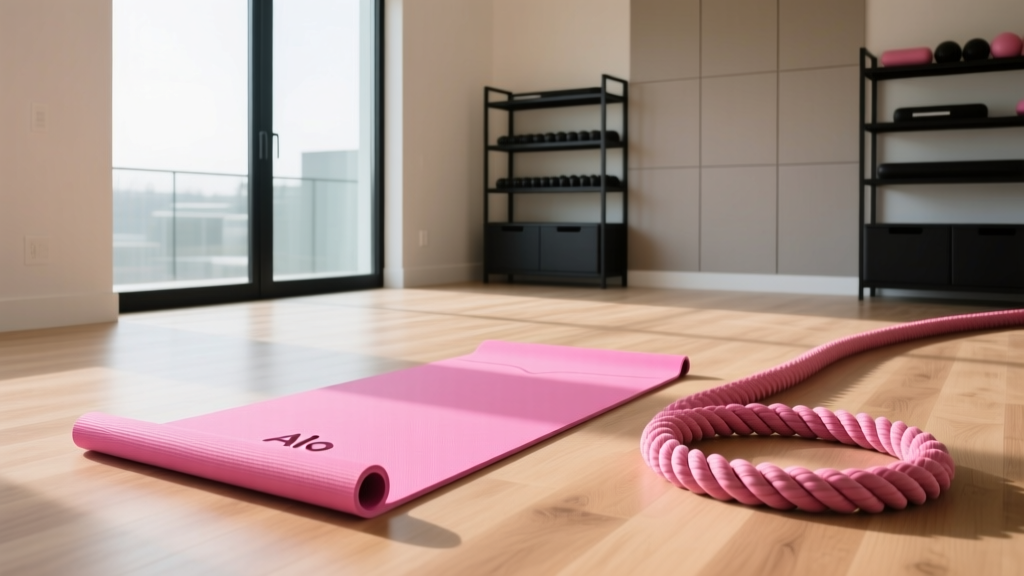
Alo Pink Yoga Mat Value & Battle Rope Sizing Budget Breakdown

Mastering the Yoga Mat Aesthetic: Pilates Space Guide

Jump Rope Types Compared & How to Clean Liforme Yoga Mat

Resistance Band Sets: Levels, Types & Nike Mastery Yoga Mat Pairings
