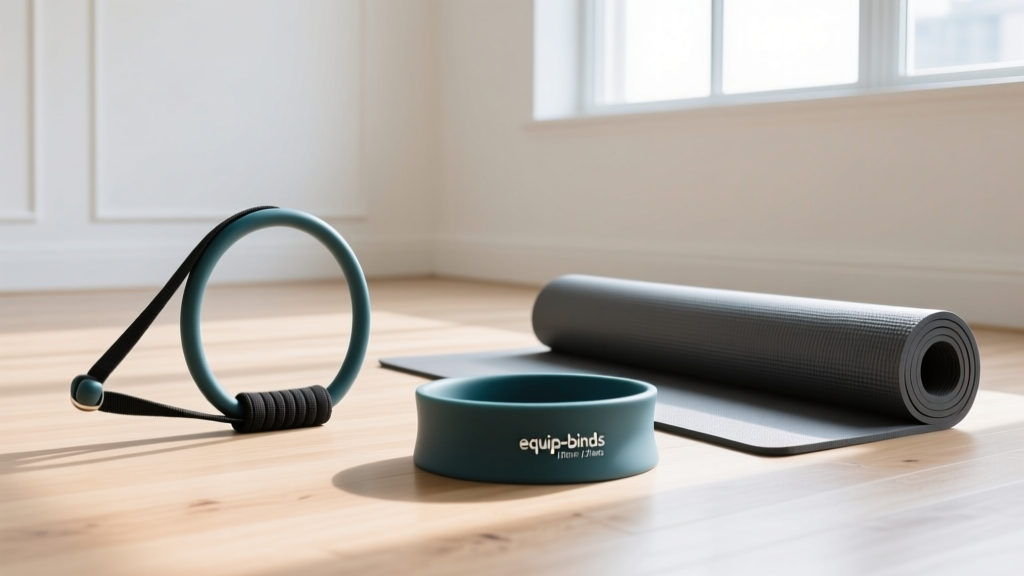
Loop vs Tube: Budgeting Pregnancy Safe Yoga Bolsters Mats Straps
Compare loop vs tube bands and budget for pregnancy safe yoga bolsters, mats, and straps. Expert 2026 value analysis, pricing, and failure modes.

The Core Dilemma: Loop Bands vs. Tube Bands for Prenatal & General Fitness
Building a comprehensive, budget-friendly home studio in 2026 requires navigating a saturated market of resistance tools and recovery accessories. For expecting mothers and general fitness enthusiasts alike, the debate between loop bands and tube bands remains a primary sticking point. When you factor in the need for specialized recovery gear—specifically pregnancy safe yoga bolsters mats straps—the budget can quickly spiral out of control if you do not understand the true cost-per-pound of resistance and the lifecycle value of your equipment.
According to the American College of Obstetricians and Gynecologists (ACOG), pregnant individuals should aim for at least 150 minutes of moderate-intensity aerobic activity weekly. Resistance training is highly encouraged, but joint laxity caused by the hormone relaxin demands equipment that offers smooth, predictable tension curves. This biomechanical reality makes the choice between continuous loop bands and handled tube bands not just a matter of preference, but of safety and financial value.
Quick Budget Verdict: If your primary goal is lower-body stabilization and ankle-anchored movements, invest in continuous loop bands. If you need upper-body isolation with reduced grip fatigue, tube bands offer superior value. Allocate the remaining budget toward high-density, non-toxic yoga supports to protect vulnerable joints.Cost-Per-Pound Resistance: A 2026 Value Analysis
To determine true value, we must look beyond the sticker price and calculate the cost-per-pound of peak resistance, alongside the expected lifespan of the elastomer. Loop bands are manufactured through a continuous dipping process, creating a seamless ring of latex. Tube bands, conversely, are extruded and fitted with plastic or metal carabiners and ergonomic handles.
The Manufacturing & Pricing Divide
- Continuous Loop Bands (e.g., Rogue Monster Bands, Fit Simplify): A standard medium-resistance loop (approx. 30-50 lbs of tension) costs between $18 and $25. Because there are no mechanical attachment points, the failure rate is exceptionally low if stored away from UV light.
- Tube Bands with Handles (e.g., SPRI Xertube, TheraBand CLX): A medium-resistance tube (approx. 35-45 lbs) retails for $15 to $22. However, the inclusion of ABS plastic handles and metal clips introduces structural weak points that degrade faster under heavy, repetitive use.
| Equipment Type | Avg 2026 Cost | Cost per lb (Peak) | Expected Lifespan | Best Biomechanical Use |
|---|---|---|---|---|
| Heavy Loop Band | $32.00 | $0.36 / lb | 3-5 Years | Squats, Pull-up Assist, Anchored Hips |
| Medium Tube Band | $18.99 | $0.47 / lb | 1-2 Years | Bicep Curls, Chest Press, Rows |
| Mini Loop Band | $12.00 | $0.80 / lb | 6-12 Months | Glute Bridges, Lateral Walks |
Failure Modes & Edge Cases: When Budget Gear Snaps
Understanding how resistance bands fail is critical for injury prevention, especially during pregnancy when balance and joint stability are already compromised. The American Council on Exercise (ACE) emphasizes that regular inspection for micro-tears is non-negotiable. Here is the deep-dive engineering reality of band failures.
Latex Degradation and Carabiner Shear in Tube Bands
The most common catastrophic failure in tube bands does not occur in the latex itself, but at the junction where the latex meets the ABS plastic handle. Under loads exceeding 40 pounds, the internal plastic plug that secures the latex tube can shear off, causing the handle to become a dangerous projectile. Furthermore, cheap metal carabiners on budget tube bands are prone to gate failure when subjected to lateral torque. If you are buying tube bands, insist on models with reinforced nylon braiding over the latex core, such as the SPRI Braided Xertube, which mitigates the whiplash effect if a snap occurs.
Micro-Tearing in Continuous Loop Bands
Loop bands fail via micro-tears initiated by sharp edges. Fingernails, jewelry, and rough anchor points (like unpainted metal squat rack pins) create microscopic fissures in the dipped latex. Over time, these fissures propagate under tension. To maximize the ROI of loop bands, always anchor them to smooth, rounded surfaces or use dedicated nylon band anchors. For prenatal users, loop bands are vastly superior for lower body work because they distribute pressure evenly across the ankle or thigh, avoiding the localized bruising caused by the hard plastic clips of tube bands.
Building the Ultimate $200 Prenatal & Recovery Studio
A well-rounded home gym requires more than just resistance; it requires joint support and recovery tools. Sourcing high-quality pregnancy safe yoga bolsters mats straps is essential for adapting traditional movements to a changing center of gravity and protecting the pelvic floor. According to Mayo Clinic experts on prenatal yoga, proper support prevents overstretching of ligaments already softened by relaxin.
Here is an exact, itemized budget breakdown to build a premium, safe setup for under $200 in 2026:
- Resistance Foundation ($45.00): Purchase one medium Rogue Monster Loop Band ($22.50) for lower-body anchoring and one SPRI Braided Xertube Medium ($22.50) for upper-body isolation. This covers all major movement planes safely.
- The Mat ($50.00): Manduka BEGIN Yoga Mat (5mm thickness, 71x24 inches). At $50, this provides the crucial 5mm of high-density cushioning needed to protect the knees and wrists during tabletop positions, which is a significant upgrade from standard 3mm budget mats that bottom out under increased body weight.
- The Bolster ($55.00): Gaiam Premium Yoga Bolster (30x10x6 inches). Priced around $55, this cylindrical, high-density foam bolster is mandatory for side-lying restorative poses. After the first trimester, supine (back-lying) positions are contraindicated due to vena cava compression; a bolster allows for safe, elevated side-lying chest openers and hip support.
- The Strap ($18.00): Hugger Mugger Cotton Yoga Strap (8-foot). At $18, this heavy-duty cotton strap with a D-ring buckle allows expecting mothers to safely stretch the hamstrings and calves without reaching and straining the lower back, accommodating a growing belly safely.
Total Investment: $168.00. This leaves $32 for a latex-safe storage bag and a resistance band door anchor, keeping you well under the $200 ceiling while maximizing safety and biomechanical value.
Expert Decision Framework: Which Should You Buy?
Do not buy both loop and tube bands if you are on a strict budget. Use this decision matrix to allocate your funds effectively based on your specific physiological needs and training goals.
'During the second and third trimesters, grip strength and wrist stability can fluctuate due to fluid retention and carpal tunnel symptoms. Tube bands with ergonomic foam handles reduce grip fatigue significantly. However, for pelvic floor and glute medius activation, seamless loop bands placed above the knees provide a tactile cue and even pressure distribution that tubes simply cannot replicate without risking skin pinching.'
— Women's Health Physical Therapy Guidelines, 2025
Choose Loop Bands If:
- You are focusing on physical therapy, glute activation, and pelvic floor rehabilitation.
- You need to anchor the band around your ankles or wrists for lateral movements.
- You plan to use the bands for pull-up assistance or heavy stretching where handles would get in the way.
- You want the highest lifespan and lowest cost-per-pound of resistance over a 5-year period.
Choose Tube Bands If:
- Your primary focus is upper-body hypertrophy (biceps, triceps, shoulders, chest).
- You experience grip fatigue, wrist pain, or pregnancy-induced carpal tunnel syndrome.
- You prefer the familiar biomechanics of traditional dumbbell movements (e.g., overhead presses, rows) and need the ergonomic alignment that rigid handles provide.
Final Thoughts on 2026 Equipment Value
The fitness equipment market is flooded with ultra-cheap, multi-piece resistance band kits that promise 150 pounds of resistance for under $25. From a value analysis perspective, these are false economies. The latex degrades within months, the carabiners rust, and the handles crack. By redirecting that budget toward a few high-quality, purpose-specific loop and tube bands, and investing the remainder in ergonomically sound pregnancy safe yoga bolsters mats straps, you build a sustainable, injury-proof home studio. Prioritize seamless manufacturing, high-density foam supports, and biomechanical safety over inflated resistance numbers and gimmicky accessories.
More gear to consider
All reviews
Medicine Ball Weight Guide: The Charlie Follows Yoga Mat Trap

Beginner Guide: Yoga Mat Thickness, Grip & Yoga Mat Wall Rack

Exercise with Yoga Mat: 2026 Thickness & Grip Guide
Foam Roller Density Guide & Cleaning Yoga Mat Washing Machine Errors

Beyond Nike SKIMS Yoga Mat Hype: 2026 Exercise Ball Size Guide