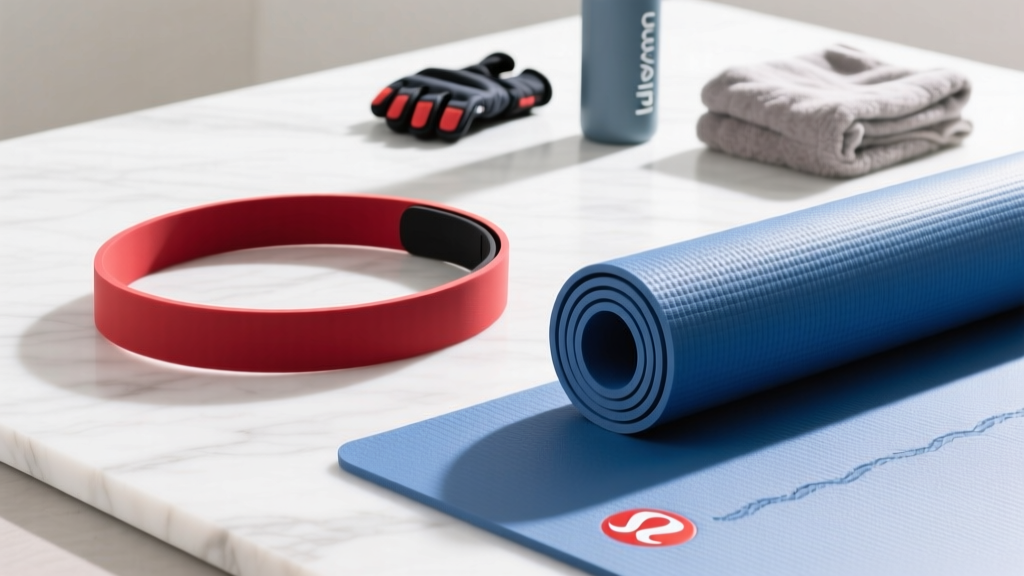
Loop Band vs Tube Band Comparison & Lululemon Yoga Mat Care
Compare loop vs tube bands for longevity and learn essential lululemon yoga mat care tips to protect your premium gear and extend its lifespan.

The Home Studio Dilemma: Band Selection and Mat Preservation
When outfitting a premium home studio in 2026, fitness enthusiasts face a critical decision regarding resistance training tools: the loop band vs tube band comparison. While both modalities offer excellent variable resistance, their material compositions, failure modes, and physical interactions with your flooring and yoga mats differ drastically. If you are pairing your resistance work with a high-end surface—specifically requiring meticulous lululemon yoga mat care—understanding how these bands interact with polyurethane (PU) and natural rubber is just as important as the exercises themselves.
Gear degradation is a silent budget-killer. A $128 Lululemon 'The Mat' can be permanently scarred by the wrong band hardware, while a $40 set of premium resistance bands can snap catastrophically if stored improperly. This comprehensive guide bridges the gap between equipment selection, material science, and long-term maintenance protocols to ensure your investment lasts for years.
Loop Bands vs. Tube Bands: Material Science and Mat Compatibility
To make an informed decision, we must look beyond the marketing and examine the structural engineering of both band types. The choice between continuous flat loops and extruded tubes dictates not only your workout mechanics but also the wear-and-tear inflicted on your yoga mat.
Continuous Flat Loop Bands
Flat loop bands (such as the Serious Steel Assisted Pull-Up & Stretch Bands or Rogue Fitness Monster Bands) are manufactured using a continuous dipping process. Layers of natural latex (cis-1,4-polyisoprene) are layered over a mandrel and vulcanized. This creates a seamless, flat band ranging from 0.25 inches to 4 inches in width, with tensile strengths spanning from 5 to 175+ pounds.
- Mat Interaction: Excellent. The flat, smooth latex surface glides over PU and rubber mats without scratching. However, low-quality latex can leave a chalky residue or transfer carbon black pigment onto lighter-colored Lululemon mats.
- Primary Failure Mode: Micro-tears on the lateral edges. A single nick from a fingernail or a rough shoe sole will propagate under tension, leading to a sudden snap.
Tube Bands with Handles
Tube bands (like the Bodylastics or Dynapro sets) consist of a hollow, extruded latex core encased in a braided nylon sheath, terminated with metal carabiners and plastic handles. They typically offer 5 to 50 pounds of resistance per tube and are designed for targeted isolation work.
- Mat Interaction: Poor. The metal carabiners and hard plastic handles are notorious for gouging, scratching, and permanently marring the delicate polyurethane top layer of premium yoga mats during floor presses or seated rows.
- Primary Failure Mode: Carabiner gate fatigue and internal latex dry-rot. The nylon sheath often hides the degradation of the inner tube until it fails.
Comparison Matrix: Loop vs. Tube for Studio Use
| Feature | Flat Loop Bands | Tube Bands w/ Handles |
|---|---|---|
| Material Core | Solid layered natural latex | Hollow extruded latex / TPE |
| Mat Safety Rating | High (No hard hardware) | Low (Metal carabiners scratch PU) |
| Avg. Lifespan (Heavy Use) | 12–18 months | 6–12 months |
| Price Range (2026) | $25 – $150 (Full Set) | $30 – $75 (Full Set) |
| Best For | Compound movements, Pilates, stretching | Isolation, upper body, physical therapy |
Longevity Protocols for Resistance Bands
Regardless of whether you choose loops or tubes, natural latex is highly susceptible to environmental degradation. Ozone, ultraviolet (UV) light, and extreme temperatures break down the polymer chains, causing the rubber to become brittle and lose its elastic memory.
⚠️ The Ozone Warning: Never store your resistance bands in a room with an active ozone generator or heavy ionizing air purifier. Ozone aggressively attacks the double bonds in natural latex, reducing a band's lifespan from years to mere weeks.To maximize longevity, wipe down your bands after every session with a damp microfiber cloth. Avoid chemical solvents or alcohol-based cleaners, which strip the natural moisture from the rubber. Store them in a dark, climate-controlled drawer (ideally between 50°F and 80°F) inside a sealed canvas or silicone bag. The American Council on Exercise (ACE) strongly recommends inspecting bands for micro-abrasions and discoloration before every single use to prevent snap-back injuries.
The Definitive Guide to Lululemon Yoga Mat Care
If you are utilizing loop bands for floor-based Pilates or mobility work, your mat is your primary point of contact. Lululemon’s flagship mats—specifically 'The Mat' (5mm) and the 'Reversible Mat'—command premium prices ($98 to $128) due to their unique dual-layer construction: a moisture-wicking polyurethane (PU) top layer bonded to a dense, natural rubber base. Proper lululemon yoga mat care requires understanding the chemical vulnerabilities of polyurethane.
The Essential Oil Trap (What NOT to Do)
A quick search online will yield hundreds of DIY yoga mat cleaner recipes featuring tea tree oil, lavender, or eucalyptus. Do not use these on Lululemon mats. Polyurethane is highly porous and absorbs oils rapidly. Essential oils act as mild solvents that break down the PU molecular structure, causing the top layer to flake, blister, and lose its signature wet-grip traction. As noted in Wirecutter's comprehensive yoga mat testing, PU mats require strict avoidance of all lotions, oils, and harsh chemicals to maintain their structural integrity.
Daily and Deep Cleaning Routines
To maintain hygiene without compromising the mat, follow this strict protocol:
- Post-Workout Wipe (Daily): Use a damp microfiber cloth with plain water or a specialized PU-safe mat wash (like Manduka Natural Rubber Yoga Mat Restore, which is formulated without essential oils).
- Deep Clean (Weekly): Mix one drop of mild, unscented dish soap (like Dawn Free & Clear) into two cups of distilled water. Wipe the mat gently, then follow with a plain water rinse cloth to remove any soap residue.
- Drying: Never hang a Lululemon mat over a sharp railing or clothespin, as this will crease the rubber base. Lay it flat on a clean, dry towel in a shaded, well-ventilated area.
The 'Roll Direction' Rule
One of the most common mistakes owners make is rolling the mat incorrectly. Always roll your Lululemon mat with the PU top layer facing outward. If you roll it with the rubber side out, the PU layer will be compressed on the inside of the cylinder, causing the corners to permanently curl upward when unrolled, creating a tripping hazard during band-resisted lunges.
Preventing Cross-Contamination and Gear Damage
When combining resistance bands with premium mats, cross-damage is a real threat. If you must use tube bands on your Lululemon mat, place a thick cotton towel beneath the carabiners and handles to act as a buffer zone. For loop bands, ensure your hands and feet are free of abrasive calluses or jewelry that could pinch the latex and transfer metal scratches onto the mat's surface.
"According to Lululemon's official care guidelines, avoiding direct sunlight and harsh chemicals is paramount. The natural rubber base will dry out and crumble if exposed to prolonged UV rays, while the PU top will degrade if exposed to sweat left unwiped for extended periods."
Furthermore, if you notice black scuff marks on your mat from the edges of dyed loop bands, do not scrub aggressively. Apply a small amount of baking soda mixed with water to form a paste, gently massage it into the scuff with a soft-bristled toothbrush, and wipe clean. This lifts the pigment without stripping the PU layer.
Frequently Asked Questions
Can I use sanitizing wipes on my Lululemon yoga mat?
No. Commercial sanitizing wipes (like Clorox or Lysol) contain high concentrations of isopropyl alcohol and quaternary ammonium compounds. These chemicals will instantly dry out the polyurethane top layer, leading to micro-cracking and a complete loss of grip. Stick to mild soap and water or PU-specific cleaners.
Which band type is better for physical therapy and rehab?
For rehab, flat loop bands are generally preferred because they offer a wider surface area that distributes pressure evenly across joints and skin. They also eliminate the risk of metal carabiners snapping back during low-tension, controlled movements. However, always consult a physical therapist for specific load recommendations.
How do I know when it is time to replace my resistance bands?
Inspect the bands for three key indicators: (1) Chalking or a white, powdery residue on the surface, which indicates UV/ozone dry-rot; (2) Visible micro-tears on the edges; (3) A noticeable loss of elastic recoil (the band feels 'stretched out' and doesn't return to its original resting length). If you spot any of these, retire the band immediately.
Does Lululemon offer a warranty on their yoga mats?
Lululemon offers a 'We Made Too Much' return policy and a general quality promise, but they do not cover normal wear-and-tear, damage from essential oils, or sun degradation. Proper maintenance, as outlined in this guide, is your only defense against premature mat failure.
More gear to consider
All reviews
Beyond the Pelaton Yoga Mat: Foam Roller Density Mistakes
Foam Roller Density Guide: Plus, Can You Wash Yoga Mats & Rollers?

Is a TPE Yoga Mat Toxic? Material, Thickness & Grip Compared
How to Pick a Yoga Mat and Bands: Loop vs Tube Guide
Beyond Yoga Mat Packaging: Speed, Weighted & Beaded Jump Ropes
