
Where to Donate Fitness Equipment When Upgrading Home Gyms
Learn where to donate fitness equipment when upgrading your home gym for better biomechanics, including tax tips and safety inspection checklists.

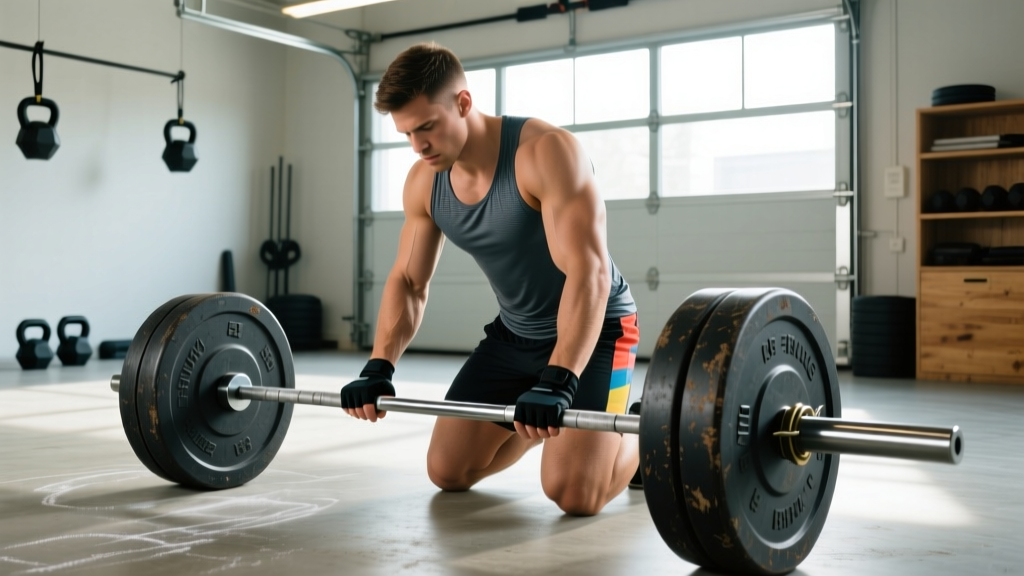
Perfecting your lifting technique often requires upgrading your home gym gear. When your current setup no longer supports proper biomechanics, figuring out where to donate fitness equipment becomes your next priority. As lifters progress from novice to intermediate and advanced training phases, the mechanical tolerances of entry-level gear begin to interfere with optimal force production and joint safety. Outgrowing your equipment is a positive milestone, but passing that gear on requires careful consideration of both the recipient's training needs and the logistical realities of moving heavy iron.
The Biomechanical Ceiling: When Gear Limits Your Technique
Before deciding to give away workout machines or free weights, it is crucial to understand exactly why your current gear is hindering your training technique. Many home gym owners mistakenly blame their programming when the actual culprit is equipment geometry. For instance, standard entry-level power racks often feature 43-inch upright spacing. While adequate for basic back squats, this wide spacing forces lifters into an overly wide grip during front squats or narrow-grip bench presses, severely compromising wrist biomechanics and lat engagement. Upgrading to a 36-inch or 30-inch spaced rack (like the Rogue RML-390F or Rep Fitness PR-4000) immediately corrects this technical flaw.
Similarly, adjustable FID (Flat/Incline/Decline) benches frequently suffer from structural wobble at the 30-degree incline setting. When the bench pad shifts laterally during heavy dumbbell presses, the lifter must recruit stabilizing muscles unevenly, leading to asymmetric chest development and potential rotator cuff strain. If your bench exhibits more than a quarter-inch of lateral play at the hinge point, it is time to upgrade to a commercial-grade weldment and relegate the old bench to lighter accessory work.
The Cable Ratio Technique Trap
One of the most common technical errors in home gyms stems from using a 1:1 ratio cable machine for isolation movements. On a 1:1 system, 20 lbs on the stack equals 20 lbs of resistance at the handle. This creates a jagged resistance curve that encourages momentum-based cheating during lateral raises or tricep pushdowns. Upgrading to a 2:1 or 3:1 ratio pulley system halves or thirds the effective weight per plate, allowing for micro-loading and a smooth, continuous tension curve that strictly enforces proper isolation technique. If you are replacing a 1:1 functional trainer, it remains an excellent tool for beginners learning basic movement patterns.
Where to Donate Fitness Equipment for Maximum Community Impact
Once you have identified the gear that no longer serves your advanced training needs, determining where to donate fitness equipment requires navigating weight restrictions and organizational mandates. National thrift chains often reject heavy gym gear due to liability and transport limitations. For example, reviewing standard Goodwill Donation Guidelines reveals that most locations will not accept items weighing over 50 lbs or large metal structures that require specialized disassembly.
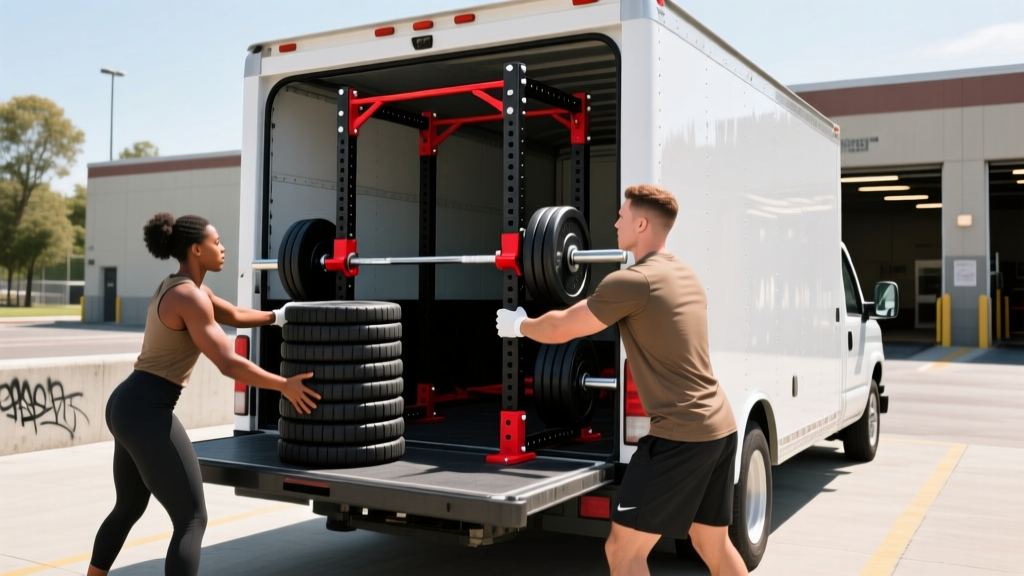
Instead of traditional thrift stores, target organizations that actively facilitate youth athletic development and community health. Municipal Parks and Recreation departments are frequently underfunded and eagerly accept commercial-grade or well-maintained prosumer gear for outdoor calisthenics parks or community center weight rooms. Local high school weight rooms, particularly in rural or underfunded districts, are also prime candidates for heavy power racks, Olympic barbells, and bumper plate sets.
| Equipment Type | Ideal Donation Recipient | Training Impact & Technique Suitability |
|---|---|---|
| Heavy Power Racks (250+ lbs) | High School Weight Rooms, CrossFit Boxes | Supports heavy compound lifting; requires bolt-down capability for safety. |
| Adjustable Dumbbells (e.g., Bowflex 552) | Senior Centers, Physical Therapy Clinics | Excellent for rehabilitation and low-impact hypertrophy; fragile if dropped. |
| Rowing Machines (Concept2 Model D) | Community Rec Centers, Youth Rowing Clubs | Builds cardiovascular base and posterior chain endurance; highly durable. |
| Plyometric Boxes & Kettlebells | Local Parks, Outdoor Bootcamp Groups | Weather-resistant options only; supports explosive power development. |
Pre-Donation Safety & Form Inspection Checklist
Donating compromised equipment is not just a logistical burden; it is a biomechanical hazard. A frayed cable or a cracked weld can cause catastrophic failure mid-rep, leading to severe injury and destroying the recipient's confidence in barbell training. Before loading your gear into a truck, perform this rigorous safety and technique inspection.
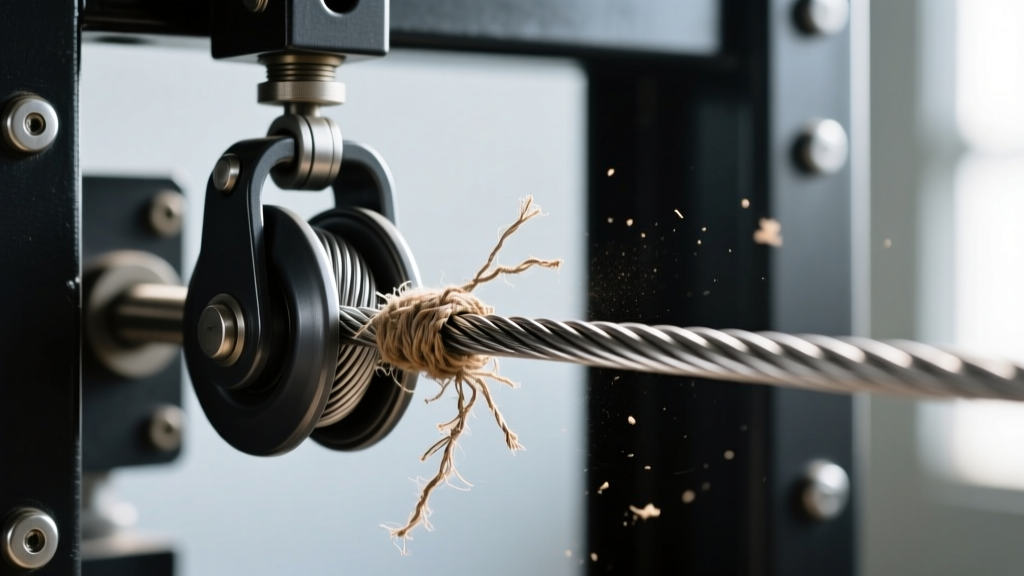
- Cable and Pulley Integrity: Inspect all aircraft cables on functional trainers and lat pulldown machines. Look for 'fish-hooking' (individual steel strands breaking and protruding) near the crimped ends. If the nylon coating is cracked and the inner steel is exposed to moisture, the cable must be replaced before donation.
- Knurling and Barbell Sleeve Spin: Test the bushings or bearings on your Olympic barbells. A barbell sleeve that seizes during the clean and jerk will violently torque the lifter's wrists. If the sleeve does not spin freely under load, apply 3-in-One oil to the bushings or note the defect clearly to the receiving coach.
- Weldment and Gusset Inspection: Check the base gussets of squat stands and power racks. Look for hairline fractures in the powder coat, which indicate metal fatigue underneath. Any rack showing structural flexing during heavy kipping or dynamic movements must be scrapped for metal recycling, not donated.
- Upholstery and Pad Density: Bench pads that have compressed to the point where the user can feel the underlying steel frame will cause uneven pressure distribution during heavy dumbbell work, altering the lifter's scapular retraction. Reupholster or clearly disclose the pad wear.
The Wobble Test for Adjustable Benches
To properly assess an adjustable bench, set it to a 45-degree incline and apply 50 lbs of downward pressure on the top edge of the back pad. If the hinge mechanism shifts or clicks, the bench will compromise the user's ability to maintain a stable base during incline presses. Tighten all carriage bolts with a socket wrench. If the wobble persists due to stripped threading or warped steel, the bench is only suitable for flat-floor accessory work and should be labeled as such.
Maximizing Your Tax Deductions on Heavy Gear
Donating high-value home gym equipment can yield significant tax benefits, provided you accurately calculate the Fair Market Value (FMV). According to IRS Publication 561, the FMV is the price a willing buyer would pay for the property in its current, used condition—not the original retail price or a straight-line depreciation estimate.
For example, if you purchased a Rogue Fitness RML-490 power rack for $850 three years ago, you cannot deduct $850. However, because premium fitness gear holds its value exceptionally well, that same used rack might consistently sell for $550 on secondary markets like Facebook Marketplace or r/homegym. Therefore, your documented FMV deduction would be $550. Always capture timestamped photographs of the equipment in good working order prior to disassembly, and secure a written receipt from the receiving 501(c)(3) organization detailing the items accepted. For any single item or group of similar items valued over $5,000, the IRS mandates a qualified written appraisal.
Final Reps: Passing the Baton
Upgrading your home gym to support advanced training techniques is an investment in your long-term joint health and muscular development. By carefully evaluating the biomechanical limitations of your current gear, performing rigorous safety inspections, and strategically selecting community organizations that will put the iron to good use, you ensure that your equipment continues to build strength long after it leaves your garage. Properly documenting the transfer not only safeguards the next generation of lifters but also provides a tangible financial return through charitable deductions.
More gear to consider
All reviews
Do It Yourself Home Gym Maintenance for Small Apartments

Compact Luxury Home Gym Trends 2026: Mirror & Lighting Budget Guide

Avoid These Rental Apartment Gym Mistakes With Home Gym Glass Doors

Weatherproofing Your Outdoor Home Gym Wall: Longevity Tips

Maximizing the Benefits of a Home Gym: Renovation Budget & Value
