
Small Space Picks & the Weslo Cadence G 5.9 Treadmill Weight Limit
We test the Weslo Cadence G 5.9 treadmill weight limit and review top folding treadmills for small spaces to find durable, compact home picks.

Key Takeaways
- The Weslo Cadence G 5.9 treadmill has a strict maximum user weight limit of 250 pounds (113.4 kilograms).
- It features a Mach 2.25 HP motor and a 50-inch by 18-inch running belt, making it suitable for walking and light jogging.
- Users exceeding 240 pounds or those requiring intense running capabilities should consider alternative models with 300-pound weight capacities.
This guide is written for budget-conscious home gym buyers and beginner walkers evaluating entry-level fitness equipment. The Weslo Cadence G 5.9 treadmill features a maximum user weight limit of 250 pounds (113.4 kilograms). If you weigh less than this threshold and primarily walk or jog, this machine provides adequate baseline performance. However, the treadmill Weslo Cadence G 5.9 struggles with long-term durability when pushed to its absolute maximum capacity, prompting many users to seek higher-capacity alternatives.
Weslo Cadence G 5.9 Treadmill Weight Limit Explained
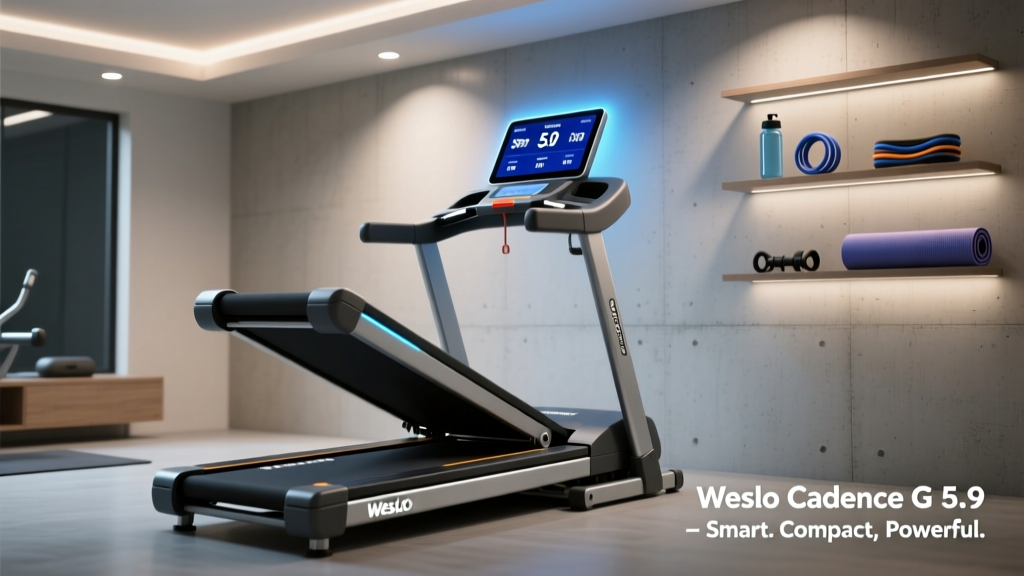
Manufacturer specifications dictate that the Weslo Cadence G 5.9 treadmill supports a maximum user weight of 250 pounds. This limit is set by Icon Health & Fitness, the parent company of the Weslo brand, to ensure the structural integrity of the steel frame and the folding deck mechanism.
Weight Capacity: A precise measurement of the maximum user body weight a fitness machine can safely support during operation without risking structural failure, motor burnout, or voiding the manufacturer warranty. Exceeding this limit accelerates belt friction, degrades the deck, and causes premature mechanical failure in budget models.
Operating the machine above 250 pounds places excessive downward force on the running deck. This force increases friction between the belt and the deck, forcing the motor to work harder to maintain speed. Over time, this excess friction generates heat, which can warp the deck and permanently damage the motor controller.
Motor and Belt Specifications at Maximum Load
The Weslo Cadence G 5.9 is equipped with a Mach 2.25 HP (Horsepower) motor. This is an entry-level motor size designed for intermittent use rather than continuous, high-intensity training.
Continuous Horsepower (CHP): A precise measurement of a treadmill motor's power output during sustained, continuous use rather than short peak bursts. A higher Continuous Horsepower rating ensures the motor maintains belt speed without overheating under heavier user loads or during extended daily workout sessions.
When a user approaches the 250-pound limit, the 2.25 HP motor must draw maximum amperage to keep the belt moving at speeds above 4.0 miles per hour. According to the Weslo Treadmill Specifications, the machine reaches a top speed of 10 miles per hour, but sustaining this speed at maximum weight capacity will trigger the motor's thermal overload protector, causing the machine to shut down mid-workout.
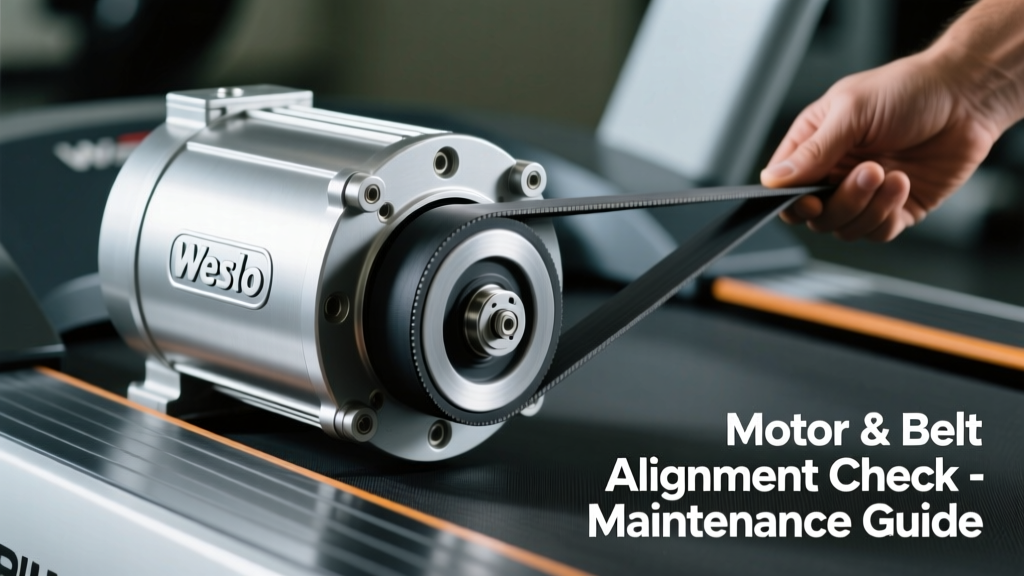
The running surface measures 50 inches in length and 18 inches in width. This compact belt size accommodates walking and short-stride jogging. Taller users or those with a running stride exceeding 45 inches will find the belt restrictive, especially when fatigue alters their gait during longer sessions.
Alternative Treadmill Picks for Higher Weight Limits
If your body weight is near or above 250 pounds, or if you require a wider running surface for running, upgrading to a machine with a higher weight capacity is necessary. The Runner's World Treadmill Buying Guide recommends a minimum of 2.75 CHP for users over 200 pounds who intend to run regularly.
Budget Treadmill Comparison Matrix
| Model | Weight Limit | Motor (CHP) | Belt Size | Best For |
|---|---|---|---|---|
| Weslo Cadence G 5.9 | 250 lbs | 2.25 HP | 50' x 18' | Walking / Light Jogging |
| Sunny Health & Fitness SF-T7515 | 275 lbs | 2.5 HP | 53' x 20' | Brisk Walking / Jogging |
| Horizon Fitness T101 | 300 lbs | 2.5 CHP | 55' x 20' | Running / Daily Use |
| ProForm Carbon TL | 300 lbs | 2.6 CHP | 55' x 20' | Interval Training |
The Horizon Fitness T101 and ProForm Carbon TL both support 300 pounds and feature 20-inch wide belts. These dimensions provide the necessary lateral stability and motor endurance for heavier users engaging in sustained running workouts.
Frequently Asked Questions
What happens if I exceed the Weslo Cadence G 5.9 weight capacity?
Exceeding the 250-pound weight limit voids the manufacturer warranty. The excess weight causes the running belt to sink into the deck, creating severe friction. This friction leads to belt fraying, deck warping, and eventual motor burnout due to excessive electrical draw.
Is the treadmill Weslo Cadence G 5.9 good for running?
The Weslo Cadence G 5.9 is not recommended for dedicated running. The 50-inch belt length is too short for a full running stride, and the 2.25 HP motor lacks the continuous torque required to maintain running speeds without overheating over extended periods.
How long does the Weslo Cadence G 5.9 last?
When used within the 250-pound weight limit for walking and light jogging, the Weslo Cadence G 5.9 typically lasts between 3 to 5 years. Regular application of 100% silicone belt lubricant every 30 days of use is required to maintain this lifespan.
Final Assessment and Next Steps
The Weslo Cadence G 5.9 treadmill enforces a strict 250-pound weight limit to protect its entry-level 2.25 HP motor and compact frame. It remains a viable option for lighter users seeking an affordable walking machine. Your next step is to verify your current body weight and primary exercise intensity. If you weigh over 240 pounds or plan to run frequently, bypass this model and invest in a 300-pound capacity treadmill like the Horizon Fitness T101 to ensure long-term mechanical reliability.
More gear to consider
All reviews
LSG Focus M3 Treadmill vs Curved Manual: Step-by-Step Guide

AFG 3.5 AT Treadmill Setup & Walking Pad Comparison

Rowing Guide: Technique and a Treadmill Pace Chart with Incline
Elliptical vs HCCSport Treadmill: 2026 Home Cardio Budget Breakdown
Assault Bike vs Treadmill Gym Machine: 2026 Cardio Trends
