
Fixing Your Treadmill for CrossFit: 6 Common WOD Mistakes & Solutions
Is your curved treadmill slipping during WODs? Learn how to troubleshoot your treadmill for CrossFit, fix belt tension, and avoid costly maintenance mistakes.

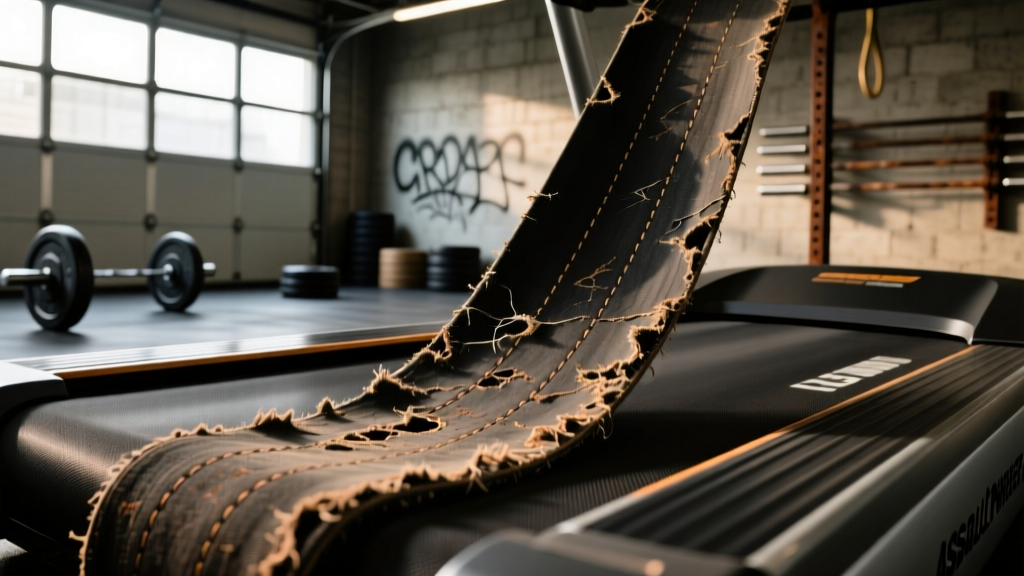
When a high-intensity metcon demands 400-meter sprints, the last thing you need is a slipping belt or a dead console. Selecting the right treadmill for CrossFit is only half the battle; maintaining it under the extreme torque of interval sprinting is where most athletes and box owners fail. Non-motorized, curved treadmills like the AssaultRunner Elite, TrueForm Runner, and Rogue Echo Runner rely entirely on user-generated force. This self-powered design eliminates the need for a 4.0 HP motor, but it transfers immense mechanical stress directly to the belt, bearings, and frame.
Ignoring the unique maintenance requirements of these machines leads to premature bearing failure, belt delamination, and inaccurate telemetry. Below is a comprehensive troubleshooting matrix and mechanical guide to keep your sprint intervals uninterrupted.
The Biomechanical Mistakes Ruining Your Treadmill for CrossFit
Curved treadmills do not just change your cardiovascular output; they fundamentally alter your kinetic chain. According to biomechanical research published in the Journal of Strength and Conditioning Research, running on a non-motorized curved surface increases hamstring activation by up to 25% compared to flat motorized treadmills. However, improper foot strike patterns on these machines are the leading cause of accelerated belt wear.
If athletes are heel-striking on the apex of the curve, they are applying severe braking forces. This not only increases impact loading on the patellar tendon—a common issue noted in Johns Hopkins Medicine's HIIT guidelines—but it also grinds the urethane belt slats against the guide rails, causing micro-fractures in the belt material.
The Fix: Coaches must cue a midfoot or forefoot strike directly on the lower third of the curve. This allows gravity to pull the belt down smoothly, reducing lateral friction on the slats and preserving the integrity of the track.
Mechanical Troubleshooting: Belt Slippage and Bearing Noise
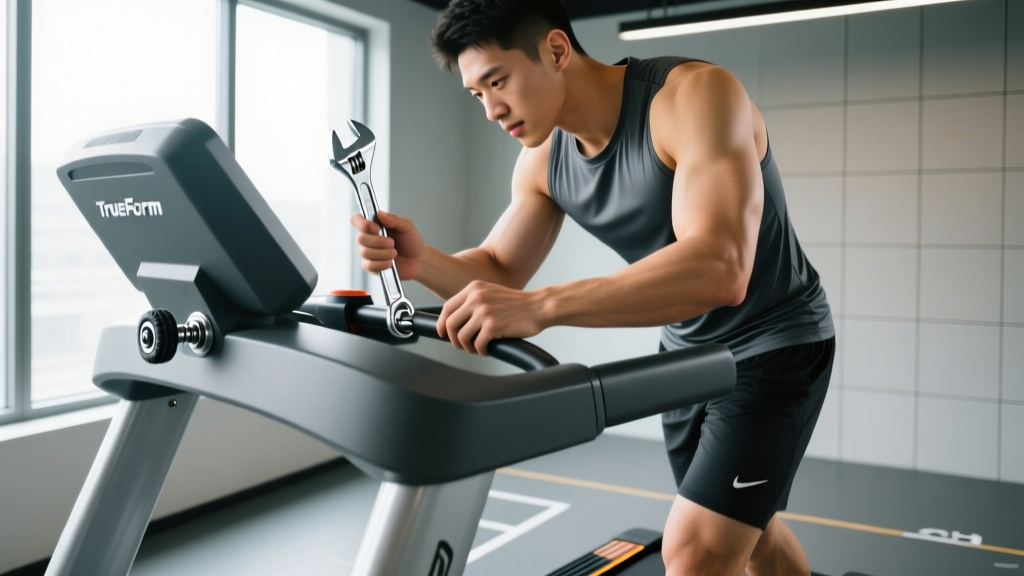
A slipping belt during a max-effort sprint is both frustrating and dangerous. Unlike motorized treadmills where the deck board is the friction point, curved treadmills rely on the tension between the front and rear roller shafts. If the belt deflects more than 3/8 of an inch when pressed at the center apex, the tension is too loose. If it feels rock solid with zero deflection, you are crushing the sealed radial bearings.
Diagnostic Matrix for Curved Treadmill Noises
| Symptom / Sound | Root Cause | Actionable Fix |
|---|---|---|
| Rhythmic clicking at low speeds | Debris trapped in the slat hinges or guide wheels. | Vacuum the track crevices; apply dry PTFE spray to hinges. |
| High-pitched squealing during acceleration | Belt tension too low; slats slipping on the roller teeth. | Adjust rear roller tension bolts evenly by 1/4 turn. |
| Grinding or rumbling from the front axle | Sealed radial bearing failure due to moisture or over-tensioning. | Replace the 6203-2RS sealed bearings; check shaft alignment. |
| Lateral belt drift (tracking left/right) | Uneven tension between left and right rear adjustment bolts. | Measure roller gap with calipers; equalize to within 1mm. |
Maintenance Errors That Void Your Warranty
"The most common reason we deny belt warranty claims is the presence of petroleum distillates. Gym owners use WD-40 thinking it's a lubricant, but it chemically breaks down the polyurethane elastomers in the belt slats within weeks."
— Equipment Service Director, Commercial Fitness Distributor
To extend the lifespan of your treadmill for CrossFit, you must strictly use 100% pure silicone lubricant for any moving parts requiring wet lubrication, and dry PTFE (Teflon) spray for the slat hinges. Never use aerosol degreasers on the track surface, as they strip the factory-applied friction coating required for the guide wheels to grip the belt.
Additionally, avoid using high-pressure compressed air to clean the console or bearing housings. Blowing 120 PSI air into the chassis forces chalk dust and rubber particulate deep past the rubber seals of the radial bearings, creating an abrasive paste that destroys the bearing races from the inside out. Use a soft-bristle brush and a low-suction shop vac instead.
Console and Bluetooth Dropout Fixes During High-Intensity Intervals
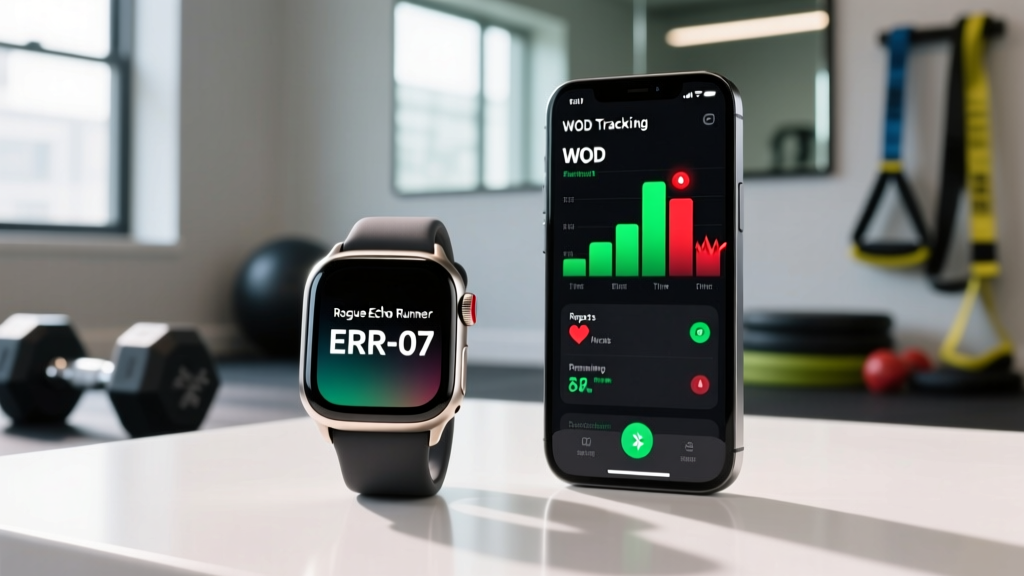
Modern curved treadmills utilize dual-protocol telemetry, broadcasting data via both ANT+ and Bluetooth Low Energy (BLE). In a crowded CrossFit box with 30+ athletes wearing smartwatches, heart rate monitors, and wireless earbuds, the 2.4 GHz spectrum becomes heavily congested. This results in the console dropping connection to your WOD tracking app mid-sprint.
- Disable ANT+ Broadcasting: If you only use a smartphone app to track distance, go into the console's hidden diagnostic menu (usually accessed by holding the 'Stop' and 'Speed' buttons for 5 seconds) and disable the ANT+ transmitter. This frees up processing overhead and reduces local RF interference.
- Update Firmware via USB: Many 2024-2025 model year consoles suffer from BLE stack memory leaks. Download the latest firmware hex file from the manufacturer's support portal, load it onto a FAT32 formatted USB drive, and flash the console to patch the dropout issue.
- Hardwire the Optical Sensor: If the digital display shows erratic speed jumps (e.g., jumping from 12 mph to 2 mph instantly), the optical sensor reading the roller flywheel is likely misaligned. Loosen the sensor bracket and align it exactly 2mm from the reflective tape on the flywheel.
Step-by-Step Belt Tension Adjustment Guide
When programming sprints on a treadmill for CrossFit, consistent belt grip is non-negotiable. Follow this exact procedure to recalibrate the track tension without damaging the axle threads.
- Power Down and Secure: Unplug the console (if applicable) and ensure the treadmill is on a level surface. Place a wedge under the front curve to prevent rolling.
- Locate the Adjustment Bolts: Find the two hex-head tension bolts located at the rear of the chassis, on the left and right sides of the rear roller shaft.
- Measure Current Deflection: Press down firmly on the center of the belt track with your thumb. It should deflect exactly 1/4 to 3/8 of an inch. If it depresses further, tension is required.
- Apply Even Tension: Using the correct metric hex key (usually 6mm or 8mm), turn both the left and right bolts clockwise by exactly one-quarter (1/4) turn.
- Test and Re-measure: Manually rotate the belt forward two full revolutions to distribute the tension evenly across the slats. Re-measure the deflection. Repeat step 4 if necessary, but never exceed a total of two full turns from the factory baseline.
- Verify Tracking: Stand on the treadmill and jog lightly. Watch the edges of the belt. If it rubs against the left side rail, loosen the left bolt by 1/8 turn and tighten the right bolt by 1/8 turn.
Frequently Asked Questions
Can I use a curved treadmill for heavy sled pushes or weighted vest WODs?
Curved treadmills are engineered for human running biomechanics, not external load dragging. Pushing a weighted sled on the urethane slats will cause catastrophic delamination of the belt and bend the rear roller shaft. For weighted vest runs, keep the load under 20% of your body weight to prevent excessive compression of the guide wheels.
How often should I replace the sealed bearings?
In a commercial CrossFit affiliate environment with 6+ hours of daily WOD usage, the front and rear roller bearings should be proactively replaced every 18 to 24 months. For home gym use, they typically last 5 to 7 years. Listen for the low-frequency rumble that indicates race degradation.
Why does my console distance not match my GPS watch?
Non-motorized treadmills calculate distance based on roller rotations. If the belt is stretched or the optical sensor is miscalibrated, the console will under-report distance. Calibrate the console using the manufacturer's diagnostic mode by running exactly 400 meters and adjusting the wheel circumference multiplier in the software settings.
More gear to consider
All reviews
Treadmill Motor Guide: LifeSmart TM4500 PowerTouch HP Explained

Avoid the Treadmill Fail GIF: Top Stationary Bike Types Reviewed
Compact Portable Cardio and T3 Treadmill Gym Layouts
Decoding the 2026 Treadmill Receipt: Elliptical vs Treadmill Trends

BXT8J Treadmill Noise Guide: Step-by-Step Cardio Machine Comparison
