
Stair Climber vs Treadmill: Belt Maintenance & Care
Discover the hidden maintenance costs in the stair climber vs treadmill debate. Learn expert treadmill belt lubrication steps to prevent motor failure.

The Overlooked Factor in the Stair Climber vs Treadmill Debate
When home gym enthusiasts research the stair climber vs treadmill debate, the conversation almost exclusively revolves around calorie expenditure, joint impact, and spatial footprint. However, as fitness equipment technicians, we look at a completely different metric: the five-year cost of ownership and mechanical longevity. In 2026, premium cardio machines represent a significant investment, often ranging from $1,500 to $3,500. Yet, the long-term survival of these machines hinges entirely on how well you manage their unique mechanical vulnerabilities.
The treadmill is fundamentally a friction-based machine. A 200-pound user running at 6 mph generates immense kinetic friction between the belt and the deck. If neglected, this friction will systematically destroy the motor controller and warp the deck. Conversely, a stair climber relies on chains, sprockets, and alternators. Understanding the deep mechanical realities of treadmill belt maintenance is crucial if you are deciding between these two cardio staples, or if you already own a treadmill and want to prevent a catastrophic $400 motor burnout.
The Physics of Friction: Why Treadmill Belts Fail
To understand why treadmill maintenance is so demanding, you must understand the deck-belt interface. Most mid-tier treadmills (like the popular NordicTrack T Series) use a medium-density fiberboard (MDF) deck coated with a thin layer of urethane or wax. Premium commercial models (like the Life Fitness Club Series) utilize solid phenolic resin decks.
Over time, the factory-applied lubricant dries out. When the belt runs dry against the deck, the coefficient of friction spikes. This forces the drive motor to work significantly harder to maintain speed. According to repair data from Treadmill Doctor, dry belts are the number one cause of premature motor control board failure. The excessive amp draw generates heat that literally melts the solder joints on the lower control board, resulting in a sudden 'E1' or 'LS1' error code and a completely dead machine.
⚠️ Critical Warning: The WD-40 Myth
Never use WD-40, 3-in-One oil, or any petroleum-based solvent on a treadmill belt. Petroleum products will immediately dissolve the urethane coating on your deck and degrade the cotton backing of the belt, causing irreversible delamination and voiding your warranty. Only use 100% pure silicone fluid.
The Stair Climber Contrast: Mechanical Realities
Before detailing the treadmill lubrication protocol, it is worth contrasting this with the stair climber to provide a complete picture of the stair climber vs treadmill ownership experience. A machine like the StairMaster StepMill 7000 does not have a friction belt. Instead, it utilizes a heavy-duty 14-gauge steel frame, an internal gearbox, and a continuous chain drive system.
While stair climbers are not immune to maintenance, their failure points are entirely different. You will never need to lubricate a belt. Instead, long-term stair climber maintenance involves checking chain tension, wiping conductive dust away from the alternator to prevent static shorts, and occasionally replacing the pedal axle bearings. For users who absolutely despise the idea of lifting belts and applying silicone, the stair climber offers a distinct maintenance advantage.
Step-by-Step Treadmill Belt Lubrication Protocol
If you are committed to your treadmill, proper lubrication is non-negotiable. In 2026, most manufacturers recommend lubricating the belt every 130 miles or every 3 to 6 months, depending on usage intensity and ambient humidity. Here is the exact protocol used by commercial technicians.
Tools and Materials Required
- Lubricant: 100% Silicone Treadmill Lubricant (e.g., Impresa or Godora brands, typically $12–$16 for a 4 oz bottle).
- Applicator: A flexible plastic tube or a specialized spreader wand.
- Tools: Microfiber cloth, 3/16-inch or 1/4-inch Allen wrench (for rear roller adjustment).
- Safety: Unplug the machine from the wall before starting.
The Application Process
- Access the Deck: Go to the side of the treadmill and lift the edge of the belt as high as comfortably possible. You should be able to lift it about 2 to 3 inches off the deck.
- Apply the Silicone: Insert the applicator wand under the belt, aiming toward the exact center of the deck. Squeeze out approximately 0.5 ounces (about half the bottle of a standard 1 oz single-use tube) in a zig-zag pattern down the length of the deck.
- Repeat on the Other Side: Move to the opposite side of the treadmill and repeat the process with the remaining 0.5 ounces. Total application should not exceed 1 ounce. Over-lubrication causes silicone to sling off the edges and coat your floors and motor hood.
- Distribute the Fluid: Plug the machine back in. Turn it on and set the speed to 3.0 mph. Walk on the treadmill for 3 to 5 minutes, intentionally stepping heavily on the left and right edges to spread the silicone evenly across the entire deck surface.
- Wipe Down: Turn off the machine and use a microfiber cloth to wipe away any excess silicone that may have squeezed out onto the side rails or motor cover.
Expert Insight: 'The biggest mistake home users make is assuming more lubricant equals better performance. Applying 2 or 3 ounces of silicone will cause hydroplaning. The belt will slip under heavy foot strikes, which can throw off your stride and potentially cause injury. Stick strictly to 1 ounce total.' — Senior Fitness Equipment Technician
Troubleshooting Edge Cases: Amp Draw and Tracking
Lubrication is only half the battle. To truly master treadmill longevity, you must know how to diagnose friction issues and belt drift.
The Amp Draw Test (The Ultimate Diagnostic)
If you suspect your deck is worn out even after lubrication, perform an amp draw test. Using a digital clamp multimeter around the live wire feeding the motor, measure the amperage while walking at 3 mph.
- Normal Range: 3 to 6 amps.
- Warning Zone: 7 to 10 amps (indicates the deck is wearing thin or the belt is stretched).
- Critical Failure: 12+ amps (immediate stop required; the deck is likely gouged and destroying the belt backing).
According to commercial service guidelines from Life Fitness, sustained amp draws above 10 amps will trip the machine's internal thermal breaker and eventually fry the MOSFETs on the lower control board.
Fixing Belt Tracking Drift
After lubricating, you might notice the belt drifting to the left or right. This is adjusted via the rear roller bolts located at the very back of the side rails.
- If the belt drifts LEFT: Turn the left rear roller adjustment bolt clockwise by exactly 1/4 turn.
- If the belt drifts RIGHT: Turn the right rear roller adjustment bolt clockwise by exactly 1/4 turn.
Never turn the bolts more than 1/4 turn at a time, and never adjust both sides simultaneously unless you are re-centering a severely off-track belt. Over-tightening will stretch the belt seams and destroy the roller bearings.
Maintenance Matrix: Treadmill vs. Stair Climber
To summarize the long-term ownership experience, refer to the maintenance comparison matrix below. This table highlights the specific tasks, frequencies, and estimated costs associated with keeping these machines running smoothly over a 5-year period.
| Maintenance Task | Treadmill (e.g., NordicTrack 1750) | Stair Climber (e.g., StepMill 7000) | Frequency | Est. DIY Cost |
|---|---|---|---|---|
| Friction Surface Lubrication | Required (100% Silicone) | Not Applicable | Every 3-6 Months | $15 / year |
| Drive Chain / Belt Tensioning | Motor Drive Belt (Rarely needed) | Internal Chain Drive (Periodic) | Annually | $0 (Tools only) |
| Deck / Pedal Surface Replacement | Deck Replacement ($150-$250) | Pedal Grip Tape ($20) | Every 4-7 Years | Varies |
| Dust & Debris Mitigation | Vacuum motor hood (High static risk) | Wipe alternator & sensors | Monthly | $0 |
Expert Verdict: Which Machine Wins on Longevity?
When evaluating the stair climber vs treadmill from a pure maintenance and longevity perspective, the stair climber holds a distinct mechanical advantage. The absence of a high-friction sliding surface eliminates the most common point of failure in home cardio equipment: the deck-belt interface. A well-maintained commercial stair climber can easily surpass 15,000 miles with only minor bearing and chain adjustments.
However, this does not mean treadmills are inherently fragile. A treadmill equipped with a reversible, commercial-grade phenolic deck and subjected to strict, quarterly 1-ounce silicone lubrication protocols will easily outlast its warranty period and deliver a decade of reliable service. The key is shifting your mindset from treating the treadmill as a simple appliance to treating it as a precision mechanical system that demands respect, measurement, and consistent care.
More gear to consider
All reviews
Costway SuperFit Treadmill vs Stationary Bike Types: Space Guide

If I Walk on the Treadmill Will I Lose Weight? Walking Pad Value Guide
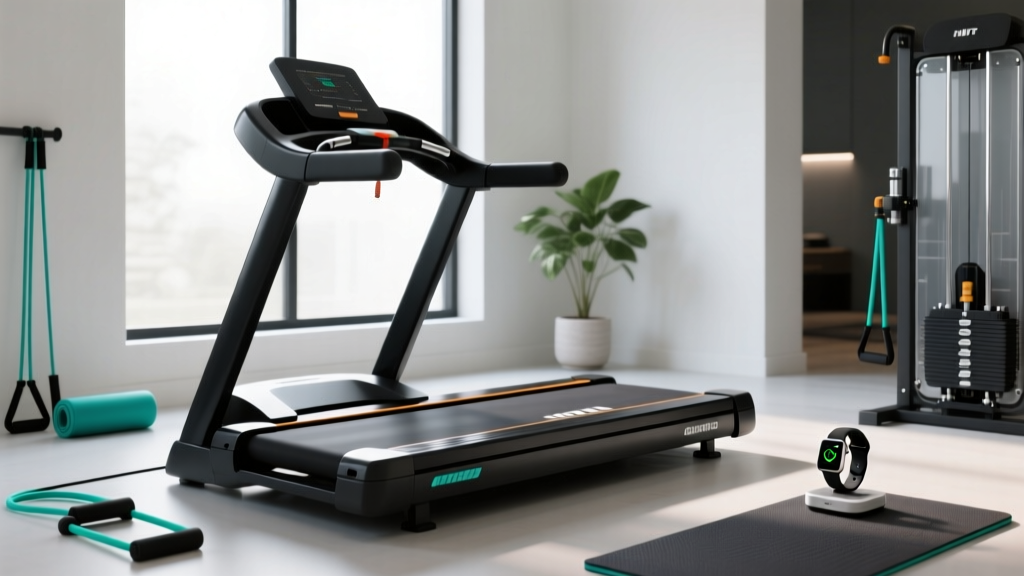
Choosing a Motor for HIIT Cardio Training on Treadmill
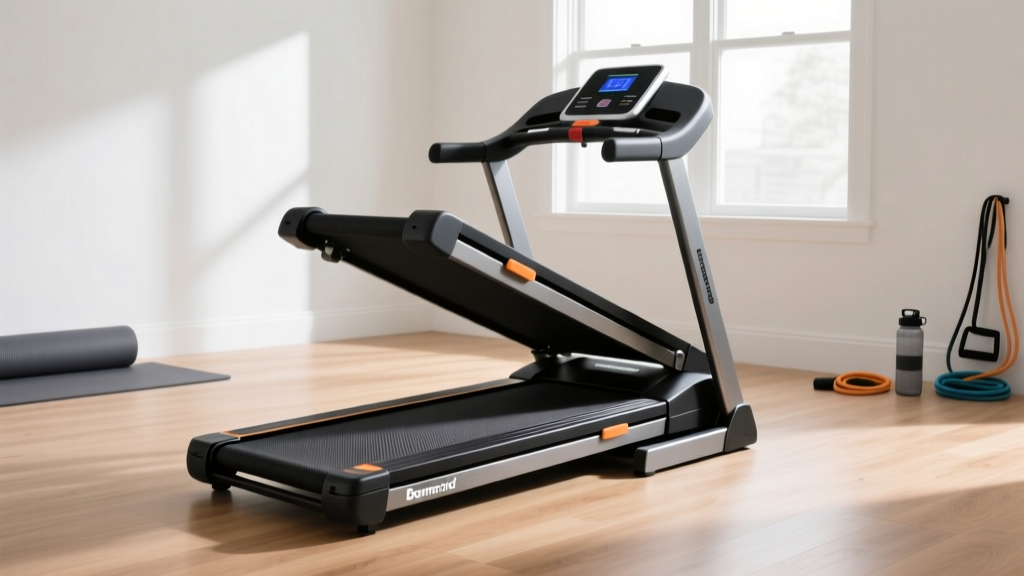
2026 Review: Folding Treadmills From Commercial Treadmill Brands

Elliptical vs Treadmill Care: Is an HSA Eligible Treadmill Best?
