
Stair Climber vs Nautilus 618 Treadmill: Home Buying Guide
Deciding between a home stair climber and the Nautilus 618 treadmill? Our 2026 guide compares biomechanics, footprint, pricing, and long-term value.

The Great Cardio Debate: Vertical vs. Horizontal
When outfitting a home gym in 2026, the battle for floor space usually comes down to two distinct movement patterns: the horizontal stride and the vertical climb. For years, the Nautilus 618 treadmill has been a go-to recommendation for budget-conscious buyers seeking a reliable, folding cardio machine with a respectable 2.75 CHP motor and an 18 percent incline capability. However, the explosive popularity of stair climber machines has forced a reevaluation of how we approach indoor cardiovascular training.
This in-depth buying guide breaks down the biomechanical, spatial, and financial differences between investing in a dedicated home stair climber versus sticking with a traditional incline treadmill like the Nautilus 618. Whether you are targeting glute hypertrophy, maximizing caloric expenditure, or simply trying to fit a machine under an eight-foot ceiling, this matrix will guide your purchase.
Biomechanical Breakdown: Glute Activation vs. Stride Length
To understand why many home gym owners are pivoting to stair climbers, we must look at the kinetic chain. Walking or running on a treadmill, even at the Nautilus 618 maximum 18 percent incline, relies heavily on the plantarflexors (calves) and quadriceps, with the gluteus maximus acting primarily as a stabilizer and secondary mover.
Conversely, stair climbing forces the hip into deep flexion, requiring the glutes and hamstrings to generate massive concentric force to lift your entire body weight against gravity with every step. According to the American Council on Exercise (ACE), stair climbing elicits a significantly higher electromyography (EMG) response in the gluteus maximus compared to incline treadmill walking at matched heart rates. The vertical displacement requires active hip extension that a motorized belt simply cannot replicate, as the belt pulls your foot backward, assisting in the extension phase.
Expert Insight: The Incline Illusion
Many buyers assume that maxing out the incline on a treadmill replicates stair climbing. It does not. On a true stair climber (rotating stairs or heavy-duty hydraulic steppers), you must actively push the mass of the earth away from you. This results in a 20 to 30 percent higher posterior chain activation, making it a superior tool for athletes focusing on vertical power and sprint mechanics.
Joint Impact and Patellofemoral Stress
While stair climbers offer immense muscular benefits, they are not without biomechanical trade-offs. The American Heart Association frequently highlights the importance of safe, sustainable cardio progression for individuals with joint concerns. Treadmills like the Nautilus 618 feature articulated cushioning systems designed to absorb the repetitive strike phase of running, reducing ground reaction forces by up to 15 percent compared to outdoor asphalt.
Stair climbers eliminate the strike phase entirely, making them zero-impact regarding foot-strike shockwaves. However, they drastically increase patellofemoral (knee joint) compression due to deep knee flexion under load. If you have a history of patellar tendinopathy or meniscus issues, the sheer compressive force of stepping up an eight-inch riser repeatedly may exacerbate symptoms. In such cases, the rolling stride of the Nautilus 618 at a moderate 10 percent incline is a much safer, joint-friendly alternative.
2026 Home Cardio Matrix: Stair Climbers vs. Nautilus 618
Below is a direct comparison of the Nautilus 618 treadmill against two distinct categories of home stair climbers: the premium rotating stair climber (StairMaster Gauntlet) and the compact hybrid stepper (Bowflex Max Total 16).
| Feature | Nautilus 618 Treadmill | Bowflex Max Total 16 (Hybrid) | StairMaster Gauntlet (Premium) |
|---|---|---|---|
| 2026 Market Price | $600 - $800 (Refurb/Clearance) | $2,499 | $7,500 - $8,500 |
| Footprint (L x W) | 73 in x 30 in (Foldable) | 49 in x 30.5 in | 62 in x 36 in |
| Ceiling Height Req. | Standard 8 ft | Standard 8 ft | Minimum 9 ft (User + 15 in) |
| Drive Mechanism | 2.75 CHP Belt Motor | Magnetic Resistance Flywheel | Heavy-Duty Chain and Sprocket |
| Max User Weight | 300 lbs | 300 lbs | 350 lbs |
| Primary Muscle Focus | Calves, Quads, Cardio | Full Body (Upper/Lower) | Glutes, Hamstrings, Quads |
Spatial Realities: Footprint and Ceiling Clearances
The most overlooked metric in cardio equipment purchasing is vertical clearance. The Nautilus 618 treadmill sits relatively low to the ground, with a deck height of roughly eight inches. Even at an 18 percent incline, a user of average height will not exceed standard eight-foot residential ceilings.
Stair climbers, however, introduce a complex spatial variable. If you opt for a true rotating stair climber like the StairMaster Gauntlet, the user is elevated up to 15 inches off the floor at the base, and gains another eight inches of vertical displacement with every step. The Mayo Clinic emphasizes the importance of safe, unobstructed environments for home fitness; hitting your head on a ceiling joist during a high-intensity interval is a genuine hazard. If your home gym is in a basement with a drop ceiling or standard eight-foot drywall, you are strictly limited to hybrid steppers or low-profile hydraulic mini-steppers.
Workout Programming: Maximizing Your Investment
How you program your machine dictates its value. Here is how fitness professionals are utilizing these specific machines in 2026:
- The Nautilus 618 LISS Protocol: The famous 12-3-30 method (12 percent incline, 3 mph, 30 minutes) remains a gold standard for low-intensity steady-state (LISS) cardio. It keeps the heart rate in Zone 2 (roughly 120-140 BPM for most adults), promoting fat oxidation without inducing central nervous system fatigue that could interfere with weightlifting recovery.
- The Stair Climber Heavy Carry: To simulate the demands of tactical fitness or mountaineering, advanced users hold 20 lb dumbbells in each hand while maintaining a moderate stepping cadence (60 steps per minute). This forces the core and upper back to stabilize the load while the lower body handles the vertical work, creating a massive systemic metabolic demand.
Common Failure Modes and Maintenance Realities
Cardio machines are subject to intense repetitive stress. Understanding how these machines fail will save you hundreds of dollars in long-term maintenance.
- Nautilus 618 Treadmill (Belt and Motor): The most common failure point on budget-to-mid-tier treadmills is belt friction. If the silicone lubrication is neglected every 150 miles, the deck generates excess heat, eventually tripping the motor thermal breaker or frying the lower control board. Replacement control boards for the Nautilus series typically cost between $120 and $180.
- Hydraulic Mini-Steppers (Cylinder Blowout): Budget stair steppers (under $150) rely on hydraulic gas cylinders. These cylinders overheat during sessions lasting longer than 20 minutes, leading to seal degradation and a total loss of resistance. They are essentially disposable units and are not recommended for serious daily training.
- Premium Rotating Climbers (Chain Tension): High-end units use industrial chains. While they rarely snap, they do stretch over time. Maintenance requires loosening the tensioner bolts and adjusting the sprocket alignment every 500 hours of use to prevent the clunking sound associated with misaligned tracks.
Frequently Asked Questions
Can I put a premium stair climber on the second floor of my house?
You must verify your floor joist load capacity. A machine like the StairMaster Gauntlet weighs nearly 350 lbs. Add a 200 lb user dynamically stepping, and the point-load on the floor can exceed standard residential live-load ratings (usually 40 lbs per square foot). The Nautilus 618, weighing roughly 165 lbs, distributes weight over a much larger 73-inch footprint, making it significantly safer for upper-floor installations.
Is the Nautilus 618 motor strong enough for daily running?
The 2.75 CHP motor is adequate for walking, jogging, and light running for users under 220 lbs. However, if you are a heavier runner or plan on doing daily high-speed sprint intervals, the motor will run hot and degrade faster. For dedicated running, a 3.5 CHP or higher motor is recommended, which pushes you out of the Nautilus 618 price bracket and into premium treadmill territory.
Final Verdict: Which Machine Earns Your Floor Space?
If your primary goal is posterior chain development and high-intensity caloric burn, and you have the budget and ceiling height for it, a dedicated stair climber is vastly superior to incline walking. The biomechanical demand of lifting your body weight vertically cannot be perfectly simulated by a motorized belt.
However, the Nautilus 618 treadmill remains an exceptional choice for multi-user households, marathon runners, and those with strict spatial constraints. Its ability to fold away, combined with a low entry price and the versatility to handle everything from a 2 mph recovery walk to a 10 mph sprint, makes it a more versatile, albeit less specialized, piece of equipment. Choose the stair climber for targeted glute and cardiovascular isolation; choose the Nautilus 618 for household versatility and horizontal running mechanics.
More gear to consider
All reviews
Cardio Machine Noise Comparison & Planet Fitness Treadmill Speed Fixes
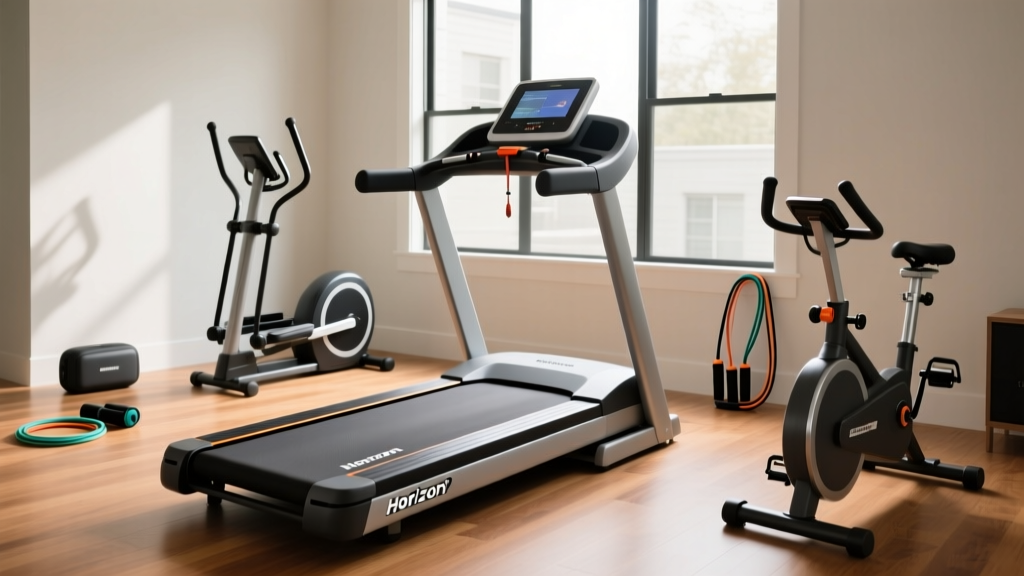
Horizon LS760T Treadmill Review & Compact Portable Cardio Options
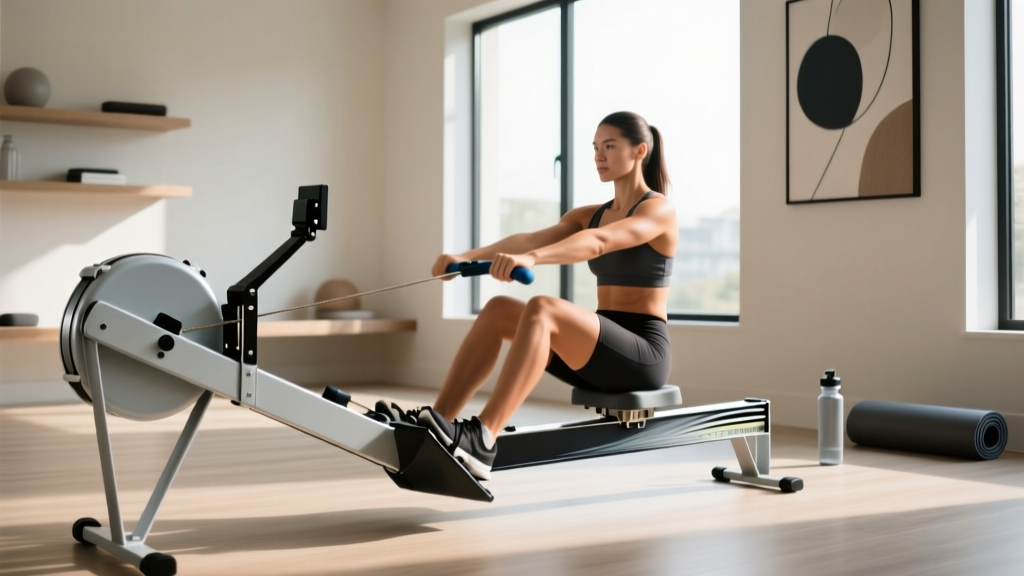
Rowing Machine Setup: Technique vs Weight Capacity for Treadmills

Elliptical vs Treadmill: Home Cardio Budget & Treadmill Plug Costs
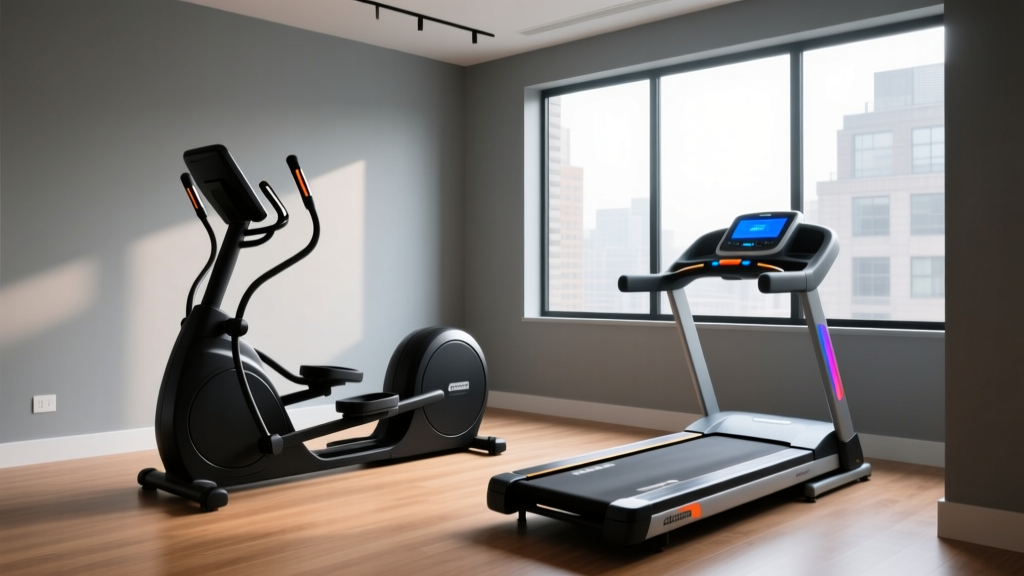
Elliptical vs Treadmill: Space Design & Backward Walk on Treadmill
