Stair Climber vs Beginner Treadmill Workout: Home Guide
Transitioning from a beginner treadmill workout? Discover our step-by-step guide to choosing and mastering a stair climber machine for home use in 2026.

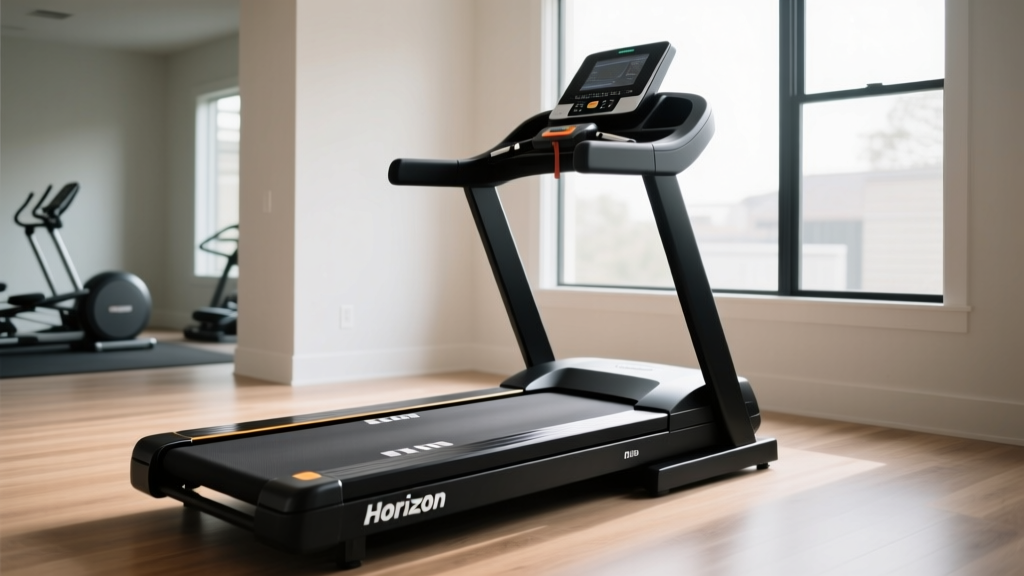
Many home gym enthusiasts start their fitness journey with a standard beginner treadmill workout. Walking or light jogging on a treadmill is an excellent, low-barrier entry point to cardiovascular health. However, as your aerobic base improves, you may find that flat walking no longer challenges your cardiovascular system or your lower-body musculature. Enter the stair climber machine. In 2026, home stair climbers have evolved from clunky, space-hogging commercial replicas into sleek, biomechanically optimized cardio machines. This step-by-step guide will help you transition from the treadmill to the stair climber, select the right equipment for your space, and master your form to maximize caloric expenditure and glute activation.
The Biomechanics: Stair Climber vs. Beginner Treadmill Workout
Before investing in new equipment, it is crucial to understand how a stair climber alters your physiological demand compared to a beginner treadmill workout. According to the American Heart Association, adults should aim for at least 150 minutes of moderate-intensity aerobic activity per week. Stair climbing achieves this 'moderate-to-vigorous' threshold much faster than flat walking due to the vertical displacement of your body weight against gravity.
| Metric | Beginner Treadmill (3.0 mph, 0% Incline) | Home Stair Climber (Moderate Pace) |
|---|---|---|
| Primary Muscle Activation | Calves, Hamstrings, Core | Gluteus Maximus, Quadriceps, Hip Flexors |
| Caloric Expenditure (150lb person, 30 mins) | ~115 kcal | ~210 kcal |
| Joint Impact Force | 1.5x to 2x body weight (heel strike) | 1.1x body weight (continuous tension) |
| Average Home Footprint | 70 x 30 inches | 36 x 25 inches (Mini-steppers to 49 x 36 inches) |
Choosing the Right Home Stair Climber in 2026
The market for home cardio machines has segmented into three distinct tiers. Your choice will depend on your ceiling height, budget, and desired resistance mechanism.
1. The Budget Apartment Choice: Sunny Health & Fitness SF-S902A
- Price: ~$149
- Mechanism: Dual-action hydraulic cylinders
- Footprint: 16 x 19 inches
- Expert Insight: This mini-stepper is ideal for tight spaces. However, hydraulic cylinders generate significant friction heat. Edge Case Warning: Limit continuous sessions to 30 minutes to prevent cylinder overheating and premature seal degradation.
2. The Mid-Tier Hybrid: Bowflex Max Trainer M9
- Price: ~$2,299
- Mechanism: Magnetic flywheel with elliptical-climber hybrid motion
- Footprint: 36 x 49 inches
- Expert Insight: The M9 offers a low-impact, high-intensity interval training (HIIT) profile. It requires a ceiling clearance of at least 15 inches above the tallest user's height due to the vertical step-up motion at max incline.
3. The Premium Adaptive Stride: NordicTrack FS14i Freestrider
- Price: ~$2,499
- Mechanism: Adaptive stride (up to 32 inches) with magnetic resistance
- Footprint: 53 x 29 inches
- Expert Insight: This machine transitions seamlessly from a cross-country ski motion to a deep stair climb. Because of its heavy 35-pound flywheel, place this on a reinforced floor if your home gym is on a second story.
Step-by-Step: Setup and Safety Protocol
Transitioning from a beginner treadmill workout requires a shift in your center of gravity. Follow this step-by-step setup to ensure safety and efficacy during your first session.
- Foot Placement: Place your mid-foot squarely on the center of the pedal. Avoid pressing only with your toes, which shifts the load entirely to your calves and Achilles tendons, increasing the risk of plantar fasciitis.
- Handrail Grip: Use a 'piano touch' grip. Your hands should rest lightly on the rails for balance only. Supporting your body weight with your arms defeats the purpose of the vertical climb.
- Core Bracing: Maintain a neutral spine. Imagine a string pulling the crown of your head toward the ceiling. Do not hinge forward at the hips.
- The First 15 Minutes: Start at the lowest resistance setting (Level 1 or 2). Aim for a slow, deliberate cadence of 40-50 Steps Per Minute (SPM) to allow your neuromuscular system to adapt to the continuous tension phase.
Your 4-Week Beginner Stair Climber Progression Plan
To safely build endurance, we utilize a progressive overload model. As noted by Mayo Clinic experts on aerobic exercise, gradually increasing intensity prevents overuse injuries while steadily improving VO2 max.
| Week | Warmup | Main Set (Intervals) | Cooldown | Target SPM |
|---|---|---|---|---|
| Week 1 | 3 mins (Level 1) | 10 mins steady state (Level 3) | 2 mins (Level 1) | 45 - 55 |
| Week 2 | 3 mins (Level 1) | 12 mins (1 min hard / 1 min easy) | 3 mins (Level 1) | 55 - 65 |
| Week 3 | 4 mins (Level 2) | 15 mins (2 min hard / 1 min easy) | 3 mins (Level 1) | 60 - 75 |
| Week 4 | 5 mins (Level 2) | 18 mins (3 min hard / 1 min easy) | 4 mins (Level 1) | 65 - 80 |
Form Breakdown: Avoiding the 'Handrail Lean' Trap
Biomechanical Warning: The Handrail Lean
The most common mistake beginners make when transitioning from a beginner treadmill workout to a stair climber is leaning heavily on the handrails. Biomechanical analyses show that supporting just 20% of your body weight on the handrails reduces gluteus maximus activation by up to 24% and artificially lowers your caloric burn by 18%. The Fix: If you find yourself needing to grip the rails tightly to keep up with the pedal speed, your resistance or SPM is too high. Drop the level down until you can maintain an upright torso with only a light, two-finger touch on the rails.
Machine Maintenance for Longevity
Home stair climbers require specific maintenance routines depending on their resistance type. If you are using a hydraulic mini-stepper like the Sunny Health model, apply a 100% silicone lubricant spray to the pivot joints every 90 days to prevent squeaking and cylinder binding. For magnetic resistance machines like the Bowflex or NordicTrack, use a vacuum with a brush attachment bi-annually to clear dust from the flywheel housing vents. Accumulated dust can interfere with the optical sensors that track your SPM and distance, leading to inaccurate console readings.
Frequently Asked Questions
Will a stair climber make my legs bulky?
No. Stair climbing is primarily a cardiovascular endurance exercise. While it will tone and strengthen your quadriceps and glutes, the high-repetition, low-load nature of the movement promotes lean muscle endurance rather than hypertrophy (muscle bulk).
Is a stair climber safe for bad knees?
Unlike the heel-strike impact of running, stair climbers provide continuous tension without the jarring impact of landing. However, if you have pre-existing patellofemoral pain syndrome, consult a physical therapist. Keeping your heel flat on the pedal rather than lifting it can help distribute the load away from the knee joint and into the glutes.
More gear to consider
All reviews
True 450 Soft System Treadmill Belt Maintenance & Lube Guide

Treadmill Motor Guide: How to Lose Fat on Treadmill

Treadmill Motor Size Guide: York Millennium Treadmill HP Analysis

Sole F80 Treadmill Setup Walkthrough & Feature Guide

Rowing Buying Guide: Anti Gravity Treadmill Price vs Premium Rowers