Stair Climber vs 2450 Treadmill: Beginner Home Guide
Deciding between a stair climber and a 2450 treadmill? This beginner step-by-step guide covers space, biomechanics, costs, and setup for home use.

The Great Home Gym Dilemma: 2450 Treadmill or Stair Climber?
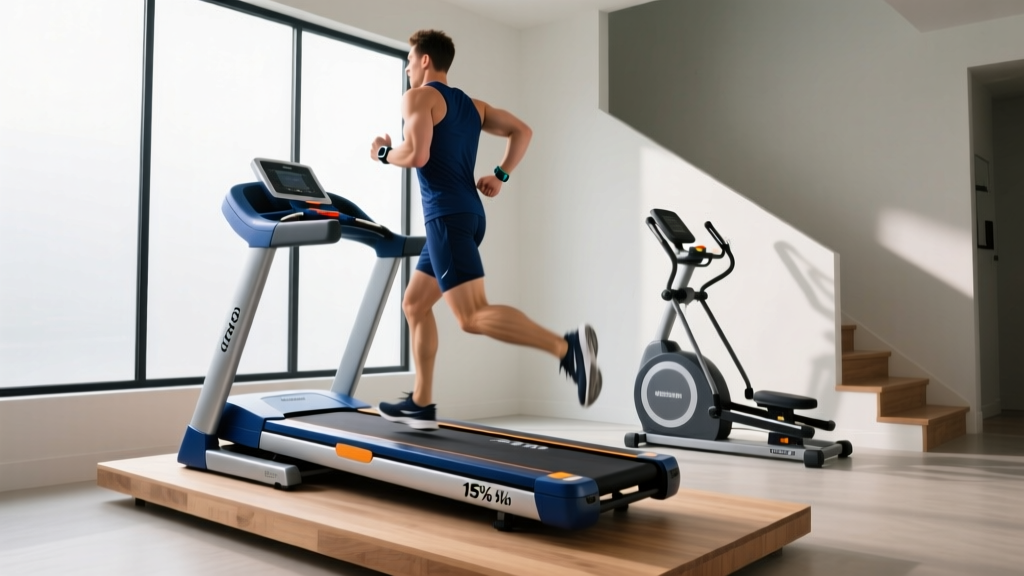
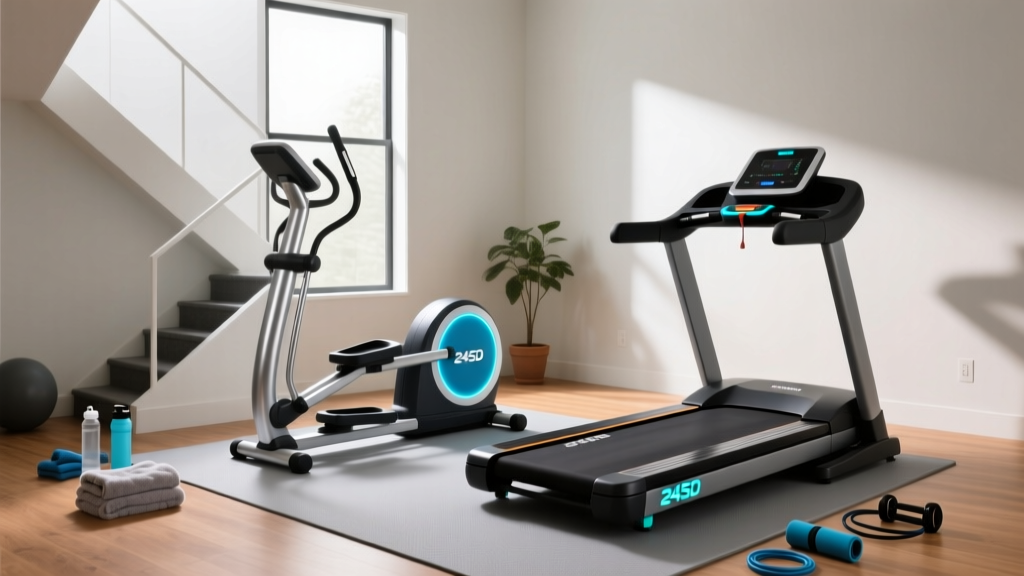
When outfitting a home gym, beginners often find themselves paralyzed by choice. On one side of the room sits the gold standard of smart cardio: the 2450 treadmill (most notably the NordicTrack Commercial series), famous for its 22-inch HD touchscreen, -3% to 15% incline, and immersive global routes. On the other side is the stair climber—a high-intensity, low-impact vertical machine that promises elite glute activation in half the footprint.
If you are a beginner trying to decide which machine deserves your hard-earned money and floor space, you need more than just a spec sheet. You need a step-by-step framework to evaluate your ceiling clearance, joint health, and long-term maintenance. This guide will walk you through the exact process of choosing and setting up a stair climber for home use, using the popular 2450 treadmill as our baseline comparison.
Quick Decision Matrix
- Choose the 2450 Treadmill if: You have high ceilings (9+ feet), prefer walking/jogging, and want interactive coaching for long, steady-state cardio.
- Choose a Stair Climber if: You have limited square footage, want to maximize lower-body muscle engagement, and prefer high-intensity, low-impact intervals.
Step 1: Measure Your Space (The Ceiling Clearance Trap)
The most common mistake beginners make when buying home cardio equipment is ignoring the Z-axis (vertical space). This is especially critical when comparing a stair climber to a high-incline treadmill.
The Math Behind the Headroom
When a 2450 treadmill is pushed to its maximum 15% incline, the front of the deck rises by roughly 12 to 14 inches. If you are 6 feet tall (72 inches), your head is now elevated over 6.5 feet off the ground. Add the machine's base height, and you suddenly need a 9-foot ceiling to avoid scraping your head or feeling claustrophobic.
Conversely, traditional StepMills (rotating stairs) and hybrid vertical climbers have a fixed pedal arc. Your elevation gain is minimal because the machine moves beneath you rather than lifting you up.
| Machine Type | Avg. Footprint | Min. Ceiling (for 6'0" User) | Machine Weight |
|---|---|---|---|
| 2450 Treadmill (Incline) | 81" L x 39" W | 9'0" (108 inches) | ~340 lbs |
| Traditional StepMill | 48" L x 32" W | 8'0" (96 inches) | ~280 lbs |
| Hybrid Climber (e.g., Bowflex) | 49" L x 30" W | 7'6" (90 inches) | ~150 lbs |
| Mini-Stepper (Hydraulic) | 20" L x 15" W | Standard (8'0") | ~35 lbs |
Step 2: Budgeting, Subscriptions, and Hidden Costs
As of 2026, the economics of home fitness go far beyond the initial retail price. You must factor in subscription ecosystems and long-term maintenance.
- The 2450 Treadmill Route: Expect to pay between $2,599 and $2,999 for the hardware. However, the machine's true value is locked behind the iFIT subscription, which costs roughly $396 per year. Without it, you are limited to manual mode and a handful of pre-loaded workouts.
- The Stair Climber Route: A commercial-grade StepMill (like the Sunny Health SF-S902) costs around $699 to $899 and requires zero subscriptions. If you opt for a premium hybrid climber like the Bowflex Max M9 ($2,499), you will encounter the JRNY subscription model (~$240/year) for adaptive AI coaching.
Step 3: Biomechanics and Joint Health
Understanding how these machines interact with your joints and muscle groups is vital for beginners. According to the American Heart Association, adults should aim for at least 150 minutes of moderate-intensity aerobic activity per week. Both machines can achieve this, but they do so differently.
Treadmill Biomechanics
Walking or running on a 2450 treadmill at a 0% incline heavily recruits the hamstrings, calves, and hip flexors. While the cushioned deck reduces impact compared to asphalt, the repetitive heel-strike can still aggravate plantar fasciitis or shin splints in beginners with poor footwear or form.
Stair Climber Biomechanics
Stair climbers force you into continuous hip extension. This heavily targets the gluteus maximus, gluteus medius, and quadriceps. Because your foot never leaves the pedal to strike a surface, the impact on your knees and ankles is virtually zero. The Centers for Disease Control and Prevention (CDC) highlights that muscle-strengthening activities combined with aerobic work yield the best long-term metabolic outcomes; stair climbers bridge this gap by offering a cardio session that doubles as lower-body resistance training.
Step 4: Your 4-Week Beginner Stair Climber Protocol
If you have decided the stair climber is the right fit for your home, do not just hop on and go all-out. The cardiovascular demand of vertical stepping is immense. Follow this 4-week progression to build endurance without burning out.
- Week 1: Base Building & Posture
Duration: 10-15 minutes | Pace: 35-45 Steps Per Minute (SPM)
Focus: Keep your chest up. Do not drape your arms over the handrails. Support your balance with a light fingertip touch only. Leaning on the rails reduces caloric burn by up to 20% and ruins your spinal alignment. - Week 2: Core Integration
Duration: 20 minutes | Pace: 45-55 SPM
Focus: Let go of the handrails entirely for 2-minute intervals. Pump your arms as if you were power-walking. This engages your core stabilizers and increases your heart rate into the fat-burning zone. - Week 3: Introduction to Intervals
Duration: 25 minutes | Pace: Variable
Focus: Alternate between 2 minutes of slow recovery (30 SPM) and 1 minute of high-intensity climbing (70+ SPM). This mimics the HIIT programming often found on smart treadmills but in a fraction of the time. - Week 4: Endurance Milestone
Duration: 30 minutes continuous | Pace: 50-60 SPM
Focus: Maintain a steady, rhythmic breathing pattern. You should be able to speak in short sentences but not sing. This builds your aerobic base.
Common Beginner Mistakes & Machine Failures
Whether you choose a stair climber or a 2450 treadmill, equipment failure and user error can derail your fitness journey. Here is what to watch out for:
Stair Climber Edge Cases
- The 'Half-Step' Error: Beginners often push the pedal only halfway down before switching legs. This prevents full glute activation and puts excessive shearing force on the knee joint. Always press through the heel and allow the pedal to reach the bottom of its arc.
- Pivot Point Squeaking: On mechanical stepmills, the side-chain and pivot bearings require white lithium grease every 6 months. Ignoring this leads to metal-on-metal grinding and eventual chain snapping.
2450 Treadmill Edge Cases
- Belt Friction & Motor Strain: A treadmill belt that isn't lubricated with 100% silicone every 150 miles will create massive friction. This forces the 3.6 CHP motor to draw excess amperage, eventually tripping your home circuit breaker or frying the motor controller board.
- Incline Calibration Drift: If you frequently step off the treadmill while it is at a 15% incline, the calibration sensors can drift over time, causing the machine to display a 0% grade when it is actually tilted.
Final Verdict: Making the Right Choice
Ultimately, the choice between a stair climber and a 2450 treadmill comes down to your physical environment and your fitness goals. If you have the square footage, the ceiling height, and the budget for ongoing software subscriptions, the 2450 treadmill remains an incredible piece of engineering for walkers, runners, and hikers.
However, if you are dealing with low ceilings, want to protect your knees from repetitive impact, and wish to build serious lower-body strength while torching calories in under 30 minutes, a dedicated home stair climber is the superior investment. Measure your space, respect the learning curve, and commit to the 4-week protocol to see transformative results.
More gear to consider
All reviews
The Long Walk Treadmills: 2026 Walking Pad Review
SB Fitness Curved Treadmill vs Folding Models (2026)

Compact Portable Cardio Care: ProForm Treadmill Belt Adjustment Guide
Bowflex Treadmill 7 vs Rowers: Buying Guide & Technique Mistakes
Life Fitness Home Treadmill Belt Maintenance: 2026 Trend Analysis