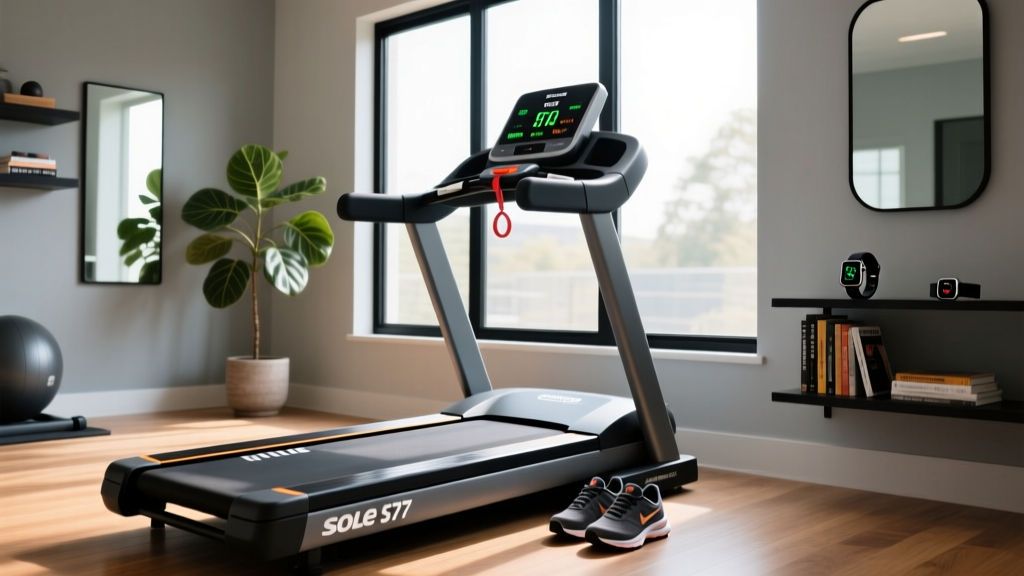
Sole S77 Treadmill: Complete Setup & Feature Comparison
Master your Sole S77 treadmill setup with our step-by-step installation walkthrough, plus a deep-dive feature comparison against top competitors.

Introduction: Unboxing the Sole S77 Experience
Investing in a premium home cardio machine is only half the battle; proper installation dictates the longevity and performance of your equipment. The Sole S77 treadmill represents the upper echelon of Sole Fitness's residential lineup in 2026, bridging the gap between light-commercial durability and high-end smart home connectivity. Priced between $2,499 and $2,799, the S77 boasts a 4.0 CHP motor, a 15.6-inch Android-based touchscreen, and a robust 400-pound user capacity. However, its 330-pound shipping weight and complex upright assembly demand a meticulous setup process. This comprehensive walkthrough will guide you through the complete installation of the Sole S77, while simultaneously comparing its out-of-the-box features and structural advantages against key market rivals like the Sole F80 and NordicTrack Commercial 1750.
Electrical Warning: Before unboxing, ensure your designated space has a dedicated 15-amp circuit with a standard NEMA 5-15R outlet. Sharing this circuit with high-draw appliances (like space heaters or microwaves) will trip the breaker and can permanently damage the S77's lower control board.Phase 1: Pre-Installation Space and Flooring Prep
The Sole S77 requires a footprint of 82 inches long by 35 inches wide, with a maximum height of 66 inches. However, the Consumer Product Safety Commission (CPSC) strongly recommends leaving a minimum of 78 inches (6.5 feet) of clear fall-zone space directly behind the treadmill to prevent severe friction burn injuries in the event of a slip.
Flooring and Vibration Dampening
Because the S77 features a heavy-duty steel frame and a powerful 4.0 CHP motor, it generates significant harmonic vibration at speeds above 8.0 MPH. If installing on a second-floor room or over a finished basement, lay down a 3/8-inch thick, high-density EVA foam equipment mat. This not only protects hardwood from the machine's adjustable leveling feet but also reduces acoustic transfer by up to 40%.
Phase 2: Step-by-Step Assembly Walkthrough
While Sole offers white-glove delivery, many buyers opt for threshold delivery to save $200-$300. You will need a second person, an 18mm socket wrench, a 6mm Allen wrench, a Phillips-head screwdriver, and a rubber mallet. Allocate 90 to 120 minutes for the process.
- Base Placement and Stabilizer Attachment: With the main deck still in the box, slide out the base. Attach the front and rear stabilizer tubes using the provided M10x70 bolts. Pro-Tip: Do not fully tighten the rear stabilizer until you have placed the machine on its final floor surface; this allows the frame to settle naturally before locking it down.
- Upright Mast Installation: This is a two-person job. Lift the welded upright mast and align it with the base pivot points. Insert the main pivot bolts but leave them slightly loose. Route the primary data cable through the center channel of the mast, ensuring it does not pinch against the steel edges.
- Console and Handrail Mounting: Attach the left and right handrail extensions to the upright mast using the M8x25 screws. Next, carefully rest the 15.6-inch console on the top bracket. Connect the three ribbon cables (data, power, and heart-rate telemetry) until you hear a distinct 'click' on the locking tabs.
- Belt Tension and Lubrication Check: The S77 ships with a pre-lubricated 20" x 60" belt. However, transit can cause slight shifting. Plug in the machine, remove the safety key, and use the 6mm Allen wrench to adjust the rear roller bolts. A quarter-turn clockwise on both sides will center the belt if it sits flush against the left motor hood.
Feature Comparison Matrix: S77 vs. The Competition
Understanding how the Sole S77 stacks up against its peers is crucial for buyers weighing their options. Below is a detailed comparison of the S77 against the brand's mid-tier F80 and the heavily marketed NordicTrack 1750.
| Feature / Spec | Sole S77 (2026 Model) | Sole F80 | NordicTrack 1750 |
|---|---|---|---|
| Motor Power | 4.0 CHP (Continuous) | 3.5 CHP | 3.5 CHP |
| Running Surface | 20" x 60" | 22" x 60" | 22" x 60" |
| Touchscreen Display | 15.6" TFT (Android OS) | 9.6" LCD / 10" TFT | 14" HD Touchscreen |
| User Capacity | 400 lbs | 375 lbs | 300 lbs |
| Warranty (Frame/Motor) | Lifetime / Lifetime | Lifetime / Lifetime | 10 Years / 1 Year |
| Subscription Requirement | None (Free Sole App) | None | Mandatory iFIT ($39/mo) |
| Avg. Street Price | $2,499 - $2,799 | $1,799 - $1,999 | $2,499 |
Analyzing the Buying Guide Takeaways
The primary advantage of the Sole S77 over the NordicTrack 1750 lies in its industry-leading warranty and lack of forced subscription paywalls. While NordicTrack locks manual mode and basic metrics behind a $39/month iFIT subscription, the S77's 15.6-inch console offers full manual functionality, Bluetooth FTMS connectivity to third-party apps like Zwift or Peloton, and built-in YouTube casting without recurring fees. Furthermore, the S77's 4.0 CHP motor runs significantly cooler and quieter during marathon training sessions compared to the 3.5 CHP motors found in both the F80 and the 1750, directly translating to a longer lifespan for the internal drive components.
Information Gain - Belt Width Nuance: Notice that the S77 features a 20-inch belt width, whereas the F80 and 1750 offer 22 inches. For runners under 6'2" who maintain a straight running posture, 20 inches is the commercial standard and perfectly adequate. However, if you are a taller runner with a wide lateral gait, or if you plan to do extensive side-shuffling agility drills, you may want to step up to the Sole S90 or stick with the F80 for that extra two inches of lateral real estate.Phase 3: Console Calibration and the First Run
Once physically assembled, the Sole S77 requires software calibration to ensure the incline motors and speed sensors are perfectly synced with the console display.
- System Boot and Wi-Fi Setup: Power on the machine and connect to your 2.4GHz or 5GHz Wi-Fi network. The S77's Android-based OS will immediately prompt a firmware update. Allow 10-15 minutes for this process; interrupting it can brick the lower control board.
- Incline Calibration: Navigate to Settings > Maintenance > Calibrate Incline. The machine will automatically rise to its maximum 15% grade and drop to a 3% decline. Stand off the machine during this process.
- The Break-In Run: According to the Mayo Clinic's guidelines on aerobic exercise safety, familiarizing yourself with equipment ergonomics is vital before high-intensity output. Start with a 20-minute walk at 3.0 MPH at 0% incline. Listen for rhythmic thumping (which indicates a belt seam issue) or high-pitched squealing (indicating insufficient deck lubrication).
Real-World Troubleshooting & Edge Cases
Even with meticulous assembly, heavy cardio equipment can present edge cases during the first few weeks of use. Here is how to handle the most common Sole S77 setup anomalies:
- Error Code E1 (Speed Sensor Failure): If the console displays E1 and abruptly stops the belt, the optical speed sensor near the motor flywheel is likely misaligned. Unplug the machine, remove the front motor hood (6 Phillips screws), and ensure the sensor eye is exactly 2-3mm away from the flywheel magnets. Clean any dust off the sensor lens with compressed air.
- Belt Hesitation Underfoot: If the belt feels like it 'slips' or stutters when your foot strikes the deck at speeds over 7.0 MPH, the belt tension is too loose. Use the Allen wrench to turn both rear roller adjustment bolts exactly one-half turn clockwise. Re-test. Do not over-tighten, as this will destroy the front roller bearings within 50 miles of use.
- Console Touchscreen Ghosting: In high-humidity environments (like garage gyms or basements without dehumidifiers), the capacitive touchscreen may register phantom touches. Wipe the screen with a microfiber cloth and a 70% isopropyl alcohol solution, and ensure the room's ambient humidity stays below 60%.
Final Verdict on the Sole S77 Setup Experience
The Sole S77 treadmill demands respect during the assembly phase. Its 330-pound mass and heavy-gauge steel uprights are not for the faint of heart, requiring patience, proper tools, and a dedicated electrical circuit. However, the payoff is a remarkably stable, whisper-quiet running platform that outperforms almost everything in the sub-$3,000 category. By bypassing forced subscription ecosystems and prioritizing a massive 4.0 CHP motor with a lifetime warranty, the S77 proves that a thoughtful, methodical setup yields a commercial-grade cardio experience right in your home gym.
More gear to consider
All reviews
Stationary Bike Types & Treadmill Resistance Maintenance Guide
Why Your Treadmill Stops Suddenly: Repair Costs vs. Compact Portable Cardio
ProForm TL Treadmill vs Air Bikes: 2026 Assault Bike Market Trends
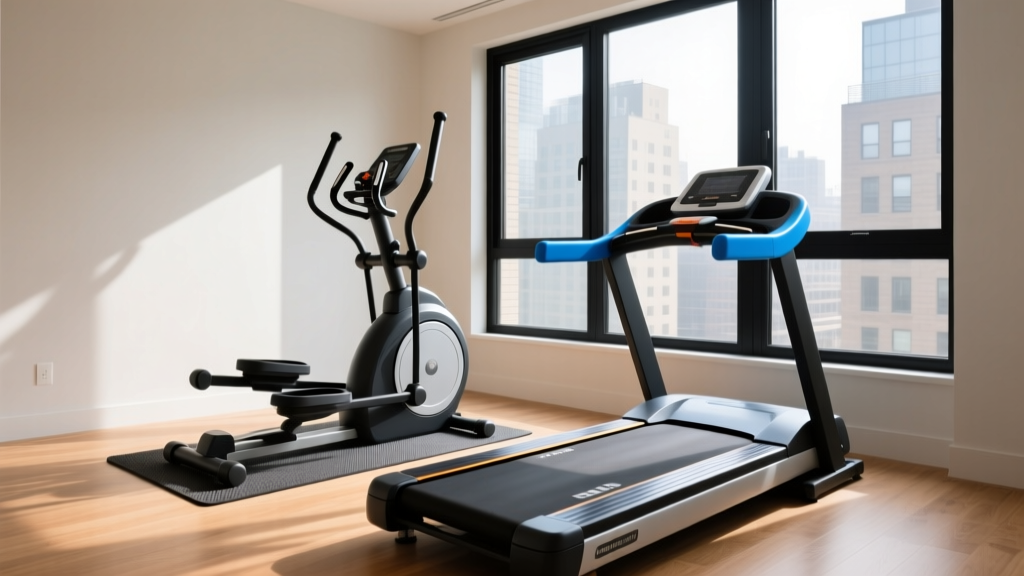
Elliptical vs Treadmill Layouts & How to Lubricate Treadmill Belt
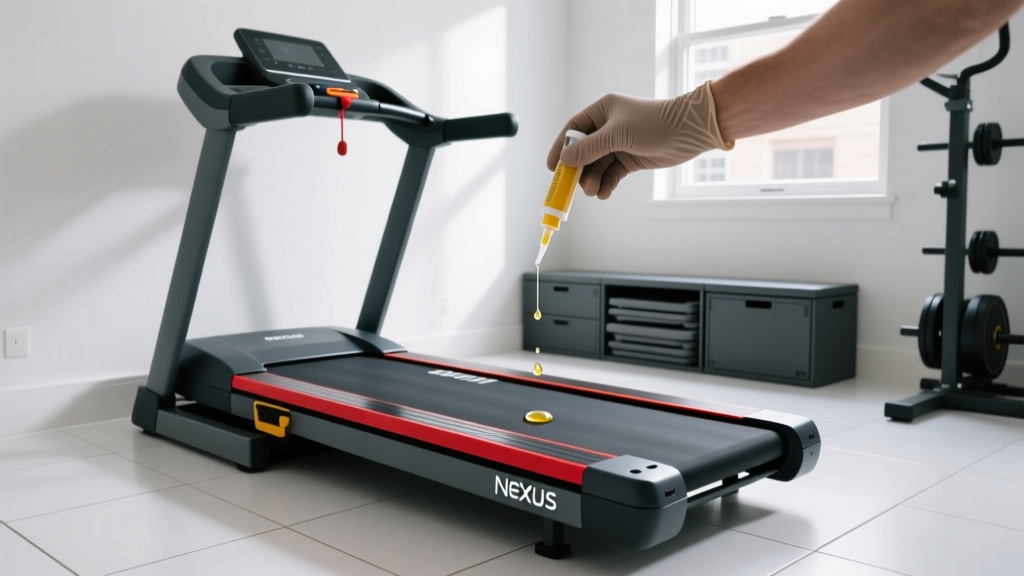
Nexus Treadmill Belt Maintenance in Small Space Layouts