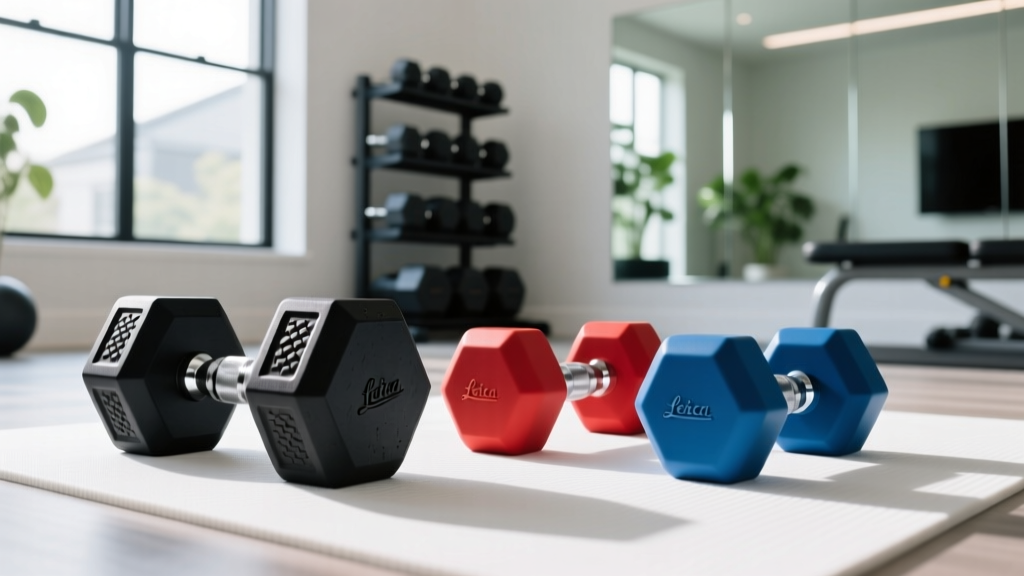
Rubber Hex vs Urethane Dumbbells for Dumbbell Pec Flys: Value Guide
We break down the cost, durability, and performance of rubber hex vs urethane dumbbells, specifically analyzing their value for dumbbell pec flys.

The Intersection of Isolation Movements and Material Science
When outfitting a home or commercial gym, the debate between rubber hex and urethane dumbbells usually centers on general durability and odor. However, as a senior equipment analyst, I evaluate gear through the lens of specific biomechanical demands. The dumbbell pec fly is a staple isolation movement that places unique, often overlooked stressors on your equipment. Because the fly requires a long lever arm—extending the weight far from your body's center of mass—the rotational torque on the dumbbell handle and the lifter's grip is immense. Furthermore, the eccentric phase of the movement brings the dumbbell heads dangerously close to the floor or bench pad, and reaching muscular failure often results in controlled drops to the sides.
In this 2026 budget breakdown and value analysis, we are moving past generic comparisons. We will dissect the material science, cost-per-pound metrics, and specific failure modes of rubber hex versus urethane dumbbells, explicitly analyzing how they perform under the rigorous demands of dumbbell pec flys.
Value Analysis TL;DRRubber hex dumbbells (approx. $1.50–$1.80/lb) offer unbeatable upfront value for budget-conscious lifters but suffer from UV degradation, off-gassing, and sharp edges that can tear bench upholstery during deep flys. Urethane dumbbells (approx. $3.50–$5.00/lb) represent a premium investment but deliver superior knurling retention, beveled edge safety, and lifetime drop tolerance, making them the definitive choice for high-volume isolation training.
Material Breakdown: The Contenders
Virgin Rubber Hex: The Budget Baseline
The rubber hex dumbbell, epitomized by the CAP Barbell SD-500 Series, is the undisputed king of budget home gyms. Constructed with a cast iron core encased in a thick layer of virgin or recycled rubber, the hexagonal head prevents rolling. From a pure cost-acquisition standpoint, rubber is highly economical. However, the rubber vulcanization process often leaves a distinct, lingering chemical odor (off-gassing) that can take months to dissipate in poorly ventilated spaces. More importantly for isolation movements, the rubber coating is prone to drying out, cracking, and 'chunking' when subjected to repeated impact or UV exposure.
Urethane: The Commercial Standard
Urethane is a premium elastomer that has largely replaced rubber in high-end commercial facilities. Models like the Rep Fitness V2 Urethane Dumbbells or Rogue Urethane Dumbbells showcase the material's superiority. Urethane is odorless, UV-resistant, and boasts a much higher shore hardness rating than rubber. This means it resists tearing and absorbs shock far more efficiently. While the initial capital expenditure is significantly higher, the total cost of ownership over a decade heavily favors urethane due to its near-indestructible nature.
2026 Cost-Per-Pound Value Matrix
To understand the true financial commitment, we must look beyond the sticker price and analyze the cost-per-pound across three distinct market tiers. The following matrix reflects average 2026 direct-to-consumer pricing for a standard 50 lb pair.
| Model / Tier | Price Per Lb (Pair) | 50lb Pair Cost | Odor Profile | Drop Tolerance |
|---|---|---|---|---|
| CAP Barbell Rubber Hex | $1.60 | $160 | High (Recycled) | Low-Medium |
| Rep Fitness V2 Urethane | $3.80 | $380 | None | High |
| Rogue Urethane (USA Made) | $4.75 | $475 | None | Very High |
According to market analyses from Rogue Fitness and industry pricing trackers, the gap between imported rubber and premium urethane remains roughly $2.00 to $3.00 per pound. For a full 5-50 lb set, this translates to a $1,000+ difference, forcing buyers to carefully weigh their specific training needs.
Performance Metrics During Dumbbell Pec Flys
Why analyze a material based on a single exercise? Because the dumbbell pec fly acts as a stress test for dumbbell ergonomics. Based on biomechanical data regarding pectoralis major activation and joint torque (as outlined in resources from the American Council on Exercise (ACE)), the fly requires strict form, deep stretches, and immense grip stability. Here is how the two materials perform under these specific conditions.
1. Grip Ergonomics and Knurling Retention
During a heavy pec fly, your hands are highly pronated, and the leverage attempts to pry your fingers open. You need aggressive knurling. Budget rubber hex dumbbells typically feature hard chrome handles with shallow, stamped knurling that wears smooth after a few years of chalk and sweat. Urethane dumbbells, conversely, are frequently paired with high-quality stainless steel or hard chrome handles featuring medium-to-deep volcano knurling. The structural integrity of the urethane head also ensures the handle remains perfectly seated and balanced, preventing the micro-wobbles that can strain the wrist during the eccentric stretch of a fly.
2. Eccentric Clearance and Bench Protection
At the bottom of the eccentric phase of a dumbbell pec fly, the weights are lowered until the lifter feels a deep stretch in the chest, often bringing the dumbbell heads within inches of the bench pad or floor.
- The Rubber Hex Problem: Standard rubber hex heads have sharp, 90-degree corners. When lowered deeply, these sharp corners frequently scrape against the vinyl or leather upholstery of adjustable benches, leading to micro-tears and eventual ruin of the bench pad.
- The Urethane Advantage: Premium urethane dumbbells often utilize a beveled hex or round-head design. The beveled edges glide safely past the bench pad, protecting your equipment while allowing the lifter to achieve a maximum range of motion without the psychological barrier of hitting a sharp edge against the bench.
3. Failure Drops and Shock Absorption
Training to failure on isolation movements is a common hypertrophy tactic. When you fail a heavy set of dumbbell pec flys, you cannot safely rack the weights from the bottom position; you must drop them to the floor or a thick mat. Biomechanical studies on muscle failure indicate that the sudden release of tension requires the equipment to absorb immediate kinetic energy. Rubber hex dumbbells, particularly in colder garage gym environments, become brittle. A 4-foot drop onto a concrete floor (even with horse stall mats) will eventually cause the rubber to chunk or separate from the iron core. Urethane's superior elastomeric properties allow it to absorb high-impact drops repeatedly without structural compromise.
"The true cost of cheap dumbbells isn't just the replacement value when the rubber chunks off; it's the collateral damage to your flooring, your bench upholstery, and the compromised grip security during high-leverage movements like the pec fly." — FitGearPulse Equipment Testing Team
Long-Term Depreciation and Total Cost of Ownership
To conduct a proper value analysis, we must apply a 5-year depreciation model. Let us assume a home gym environment (subject to temperature fluctuations and indirect UV light) with a training frequency of 4 days per week.
- Rubber Hex Depreciation: Within 18 to 24 months, the rubber will begin to oxidize, turning from black to a chalky gray. The odor may persist if the gym lacks active ventilation. By year four, dropping the weights during failed fly sets will likely result in edge chunking, rendering the dumbbells unbalanced and aesthetically unpleasing. Estimated 5-year replacement cost: 30% of original purchase price to replace damaged pairs.
- Urethane Depreciation: Urethane is practically impervious to UV light and temperature swings. The beveled edges will show minor scuff marks, but the structural integrity remains 100% intact. The knurling on the handle will outlast the lifter's joints. Estimated 5-year replacement cost: $0.
When amortized over a decade, the cost-per-year of urethane actually dips below that of rubber hex if you factor in the cost of replacing a torn bench pad ($150-$250) caused by sharp rubber corners during deep flys.
Final Verdict: Which Should You Buy?
Your purchasing decision should be dictated by your training environment, budget, and respect for isolation mechanics.
Buy Rubber Hex If:
- You are strictly limited by an upfront budget (under $200 for a starter pair).
- Your gym is climate-controlled and well-ventilated.
- You primarily use the dumbbells for pressing movements and rarely drop them from the top of a fly or lateral raise.
Buy Urethane If:
- You prioritize high-volume isolation work like dumbbell pec flys and require deep, safe eccentric stretches.
- You train in a garage gym with temperature swings and want to avoid UV degradation.
- You frequently train to failure and need equipment that can survive repeated drops onto rubber matting.
Frequently Asked Questions
Q: Can I just use hex dumbbells for flys if I am careful?
A: Yes, but 'careful' is difficult to maintain at muscular failure. The sharp edges of rubber hex dumbbells will inevitably scrape your bench pad during the deep stretch of a pec fly, and dropping them when your grip fails will cause the rubber to chip.
Q: Are round urethane dumbbells better than hex urethane for flys?
A: For dumbbell pec flys, round or heavily beveled urethane heads are superior. They prevent the dumbbell from catching on the bench pad during the eccentric phase and allow for a smoother drop to the floor when you reach failure. However, hex urethane is preferred if you do a lot of renegade rows or ground-based movements where rolling is a hazard.
Q: Does the handle thickness matter for dumbbell pec flys?
A: Absolutely. The pec fly places high torque on the wrist and forearm. A handle diameter between 32mm and 35mm is optimal. Thicker handles (often found on cheaper, oversized rubber hex models) can cause premature grip failure before the pectoral muscles are fully fatigued, robbing you of the exercise's intended hypertrophy stimulus.
More gear to consider
All reviews
Smisko Dumbbell Trend & Cast Iron vs Competition Kettlebells (2026)

Dumbbell Chest Press Workout Mistakes: Neoprene Home Gym Fixes

Cast Iron vs Competition Kettlebells & Bowflex SelectTech 1090 Dumbbell

Standard vs Olympic Plates for the Dumbbell Bench Press Exercise

Bumper vs Iron Plates: 2026 Market Trends & Dumbbell Back Workouts
