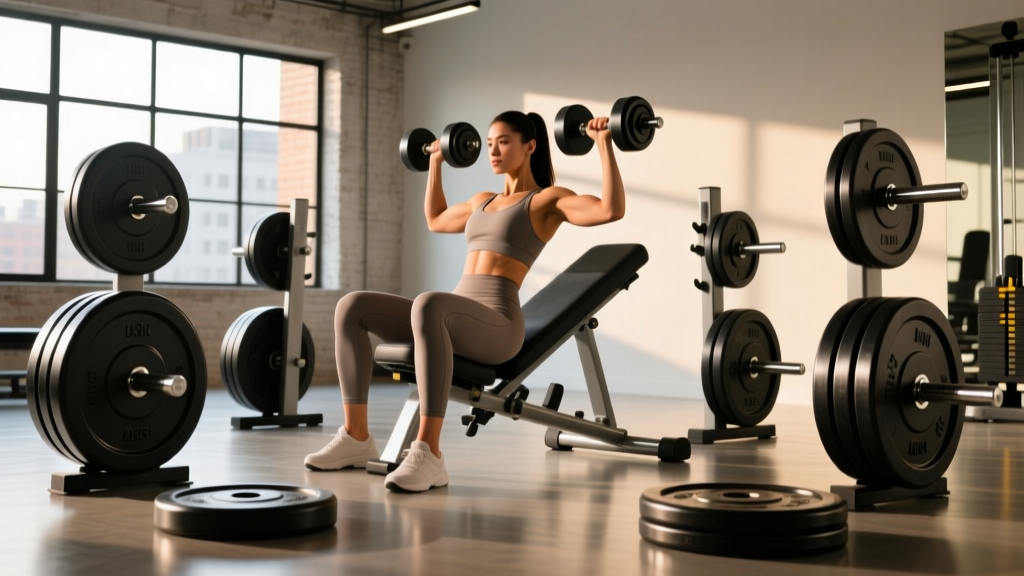
Rubber Hex vs Urethane: Gear for a Full Body Dumbbell Circuit Workout
Discover how rubber hex and urethane dumbbells survive high-volume full body dumbbell circuit workouts. Expert maintenance tips to maximize gear lifespan.

The Biomechanical Toll of Circuit Training on Free Weights
When programming a high-volume full body dumbbell circuit workout, the focus is usually on heart rate, metabolic conditioning, and muscle endurance. However, from an equipment longevity perspective, circuit training is uniquely destructive. Unlike traditional hypertrophy training where weights are controlled and racked gently, circuit routines frequently involve dynamic movements like dumbbell snatches, thrusters, and devil presses. These exercises inevitably lead to repeated drops from chest or overhead heights onto rubber flooring.
Furthermore, exercises like renegade rows subject the edges of the dumbbell heads to severe abrasive shear forces as they are dragged and planted repeatedly against textured gym mats. Combine this mechanical trauma with the high sweat volume and elevated skin acidity typical of intense metabolic conditioning, and you have a perfect storm for equipment degradation. As we evaluate the 2026 commercial and home gym market, two primary materials dominate the hex dumbbell space: virgin rubber and thermoplastic polyurethane (TPU). Understanding their material science and maintenance requirements is critical for protecting your investment.
Material Science: Styrene-Butadiene vs. Polyurethane
To properly maintain your gear, you must first understand what it is made of. Most mid-tier 'rubber' hex dumbbells are manufactured using Styrene-Butadiene Rubber (SBR) or recycled tire crumb bound with polyurethane adhesives. While SBR offers excellent shock absorption, its molecular structure is porous. Over time, this porosity allows sweat, sebum, and floor chalk to penetrate the surface, leading to a breakdown of the polymer chains and the infamous 'gym smell' caused by volatile organic compound (VOC) off-gassing.
Urethane, specifically thermoplastic polyurethane (TPU), is an elastomer with tightly cross-linked polymer chains. According to material durability comparisons by Rep Fitness, urethane is virtually non-porous, making it inherently resistant to moisture absorption, UV degradation, and chemical cleaners. While a set of 50lb rubber hex dumbbells might cost between $1.60 and $2.10 per pound in the current market, premium urethane options from brands like Eleiko or Rogue command $2.80 to $4.50 per pound. The upfront cost is higher, but the lifespan under circuit-training conditions is drastically different.
Longevity & Cost Comparison Matrix
| Feature | Virgin Rubber Hex (SBR) | Premium Urethane (TPU) |
|---|---|---|
| Average Cost (2026) | $1.60 - $2.10 / lb | $2.80 - $4.50 / lb |
| Porosity & Sweat Absorption | High (Requires sealing) | Negligible (Non-porous) |
| Abrasion Resistance | Moderate (Edges will round) | Exceptional (Retains sharp hex edges) |
| UV / Ozone Resistance | Poor (Cracks if near windows) | Excellent (Sunlight stable) |
| Expected Lifespan (Heavy Circuit Use) | 2 - 4 Years | 8 - 12+ Years |
Real-World Failure Modes in Circuit Workouts
When a full body dumbbell circuit workout is performed 4-5 times a week, equipment failure rarely happens all at once. It follows a predictable degradation curve:
- Edge Chipping and Rounding: Dropping a 40lb dumbbell from shoulder height during a push-press to catch it on the floor creates immense localized PSI on the hex corners. Rubber will eventually chip or tear away from the steel core, while urethane will merely scuff.
- Collar Loosening and Core Oxidation: The most catastrophic failure mode occurs when sweat bypasses the handle and seeps into the junction where the steel handle meets the weighted head. If the collar seal is compromised, the internal steel core rusts. This rust expands, eventually cracking the rubber or urethane from the inside out and causing the head to wobble or detach entirely.
- Surface Glazing: Repeated contact with skin oils and floor dust creates a hardened, slippery 'glaze' on rubber dumbbells, making them dangerous for overhead circuit movements.
Never use bleach-based wipes, ammonia, or high-alcohol disinfectants on rubber hex dumbbells. These harsh chemicals strip the natural plasticizers from SBR rubber, accelerating dry rot and causing the surface to flake. According to facility maintenance guidelines referenced by the American College of Sports Medicine, maintaining a neutral pH in your cleaning agents is vital for both equipment preservation and user skin health.
The Ultimate Maintenance Protocol for Maximum Lifespan
Whether you are using budget-friendly rubber or premium urethane, implementing a strict post-workout maintenance protocol will double the lifespan of your gear. Here is the exact step-by-step methodology used by elite strength and conditioning facilities to maintain dumbbells subjected to daily circuit abuse.
Step 1: The pH-Neutral Wipe Down (Post-Workout)
Immediately following your full body dumbbell circuit workout, the salt and urea in your sweat begin to corrode the handle knurling and degrade the elastomer collar. Do not use commercial gym wipes that contain quaternary ammonium compounds, as they leave a sticky residue that attracts dust.
- Mix a solution of 10 parts distilled water to 1 part pH-neutral dish soap (like original Dawn) in a spray bottle.
- Lightly mist a microfiber cloth (never spray the dumbbell directly, as liquid can pool near the steel collar).
- Wipe down the handles to remove sweat and chalk, then move to the heads to remove floor grime and sebum.
Step 2: Knurling Preservation and Rust Prevention
The handles of dumbbells, particularly those with chrome or black oxide finishes, are highly susceptible to flash rust. Once rust forms on the handle, it transfers to the rubber or urethane collar, staining it permanently and compromising the structural seal. Once a week, apply a few drops of 3-in-One oil or a dedicated knurling brush oil to a stiff nylon brush. Scrub the handle to lift embedded chalk and skin cells, then wipe it completely dry with a clean towel. This leaves a microscopic protective barrier against ambient humidity.
Step 3: Environmental Storage Controls
UV light and ozone are the natural enemies of styrene-butadiene rubber. Ozonolysis causes the polymer chains in rubber to snap, resulting in deep, irreversible cracking along the flat sides of the hex heads. Always store your dumbbells on a tiered rack away from direct sunlight or large windows. If your garage gym experiences high humidity, consider running a dehumidifier to keep the ambient moisture below 50%, which protects both the steel cores and the elastomer coatings.
Final Verdict: Which Should You Choose?
If your programming heavily features high-impact drops, outdoor training, or you operate a busy commercial facility where compliance with cleaning protocols is low, urethane dumbbells are the only logical choice. Their non-porous nature and extreme tensile strength justify the $3.00+ per pound price tag through sheer longevity.
However, if you are a home gym owner on a budget who strictly performs controlled floor transitions and is willing to commit to the pH-neutral cleaning protocol outlined above, virgin rubber hex dumbbells remain an exceptional, cost-effective workhorse. The key to survival isn't just the material you buy; it is the discipline of the maintenance routine you follow after the final rep is completed.
More gear to consider
All reviews
How Heavy Are the Dumbbells You Lift? Nude vs Rubber Hex vs Urethane
Barbell Collar Clamp Types & Dumbbell Skull Crusher Workout Safety

EZ Curl Bar vs Straight Bar: Best Arm Tools After Dumbbell Lifts for Chest
Maintaining a 60 lb Dumbbell vs Cast Iron & Competition Kettlebells

Olympic vs Standard Plates Setup & Different Kinds of Dumbbells