
Rubber Hex vs Urethane: Rear Delt Workout With Dumbbells 2026
Analyze 2026 market trends comparing rubber hex vs urethane dumbbells, focusing on durability, ROI, and optimizing your rear delt workout with dumbbells.

The 2026 Shift in Free Weight Manufacturing
As we navigate the fitness equipment landscape in 2026, a distinct bifurcation has emerged in the free weights market. Commercial gym owners and serious home-gym builders are increasingly re-evaluating their iron investments, specifically when choosing between traditional rubber hex dumbbells and premium urethane alternatives. According to recent industry analyses tracked by Club Industry, the demand for high-density polyurethane (urethane) equipment has grown by over 18% year-over-year, driven by a demand for zero-odor, high-durability gear. Yet, rubber hex dumbbells remain the undisputed volume leader due to their aggressive price point.
But how does this macro-level market trend translate to the micro-level biomechanics of your training? Specifically, how do these materials impact isolation movements, such as a targeted rear delt workout with dumbbells? The answer lies in grip ergonomics, weight distribution, and the subtle failure modes of cheap materials under high-repetition fatigue.
2026 Market Data Highlight: The average commercial facility now allocates 65% of its dumbbell budget to urethane-coated options for high-traffic zones, reserving rubber hex sets primarily for budget-conscious secondary locations and functional fitness drop-zones.Material Breakdown: Rubber Hex vs. Urethane
Virgin Rubber Hex Dumbbells
Rubber hex dumbbells, such as the widely popular models from REP Fitness, are constructed with a solid steel core encased in virgin rubber. The hexagonal head prevents rolling, making them ideal for floor-based exercises like renegade rows or weighted planks. In 2026, high-quality virgin rubber hex sets average between $1.50 and $1.80 per pound.
- Pros: Cost-effective, anti-roll design, decent drop tolerance on rubber flooring.
- Cons: Susceptible to UV degradation, potential VOC (volatile organic compound) off-gassing, and thicker handle profiles that can induce premature grip fatigue.
- Failure Mode: Prolonged exposure to sunlight or ozone causes the rubber to dry out, chalk, and eventually crack at the steel-rubber boundary.
Premium Urethane Dumbbells
Urethane is a premium polymer that offers superior resistance to abrasion, UV light, and temperature fluctuations. Brands like Rogue Fitness utilize high-grade urethane with a Shore A hardness rating of 85 to 90, providing a dense, dead-bounce feel that protects both the floor and the equipment. Pricing typically ranges from $3.50 to $4.50 per pound.
- Pros: Zero odor, virtually impervious to UV and moisture, sleek aesthetic, highly contoured ergonomic handles.
- Cons: High initial capital expenditure, round heads can roll if not racked properly.
- Failure Mode: Extreme edge-case failure involves chipping if dropped directly onto bare concrete from chest height, though this is rare in proper gym environments.
Ergonomics and the Rear Delt Workout With Dumbbells
Why analyze dumbbell materials through the lens of a rear delt workout with dumbbells? Because posterior deltoid isolation exercises—such as chest-supported rear delt flyes, bent-over lateral raises, and seated rope-less cable crossovers adapted for dumbbells—are uniquely sensitive to equipment ergonomics.
The rear deltoid is a small, easily fatigued muscle group that responds best to higher repetition ranges (15-25 reps) and strict, controlled eccentrics. When executing a bent-over rear delt fly, your grip is the primary point of contact. If you are using budget rubber hex dumbbells with thick, poorly knurled chrome handles, your forearm flexors will often fail before your rear delts reach true mechanical tension.
The Grip-to-Muscle Connection
Premium urethane dumbbells typically feature medium-deep, volcano-pattern knurling on ergonomically tapered handles. This taper allows the dumbbell to rest naturally in the crook of the fingers, reducing the crushing grip force required to hold a 20 lb or 25 lb weight during a high-rep rear delt fly. Conversely, the uniform, often overly-thick cylindrical handles found on cheaper rubber hex sets force the lifter to squeeze harder, introducing unnecessary neurological fatigue and compromising the mind-muscle connection essential for rear delt hypertrophy.
'In isolation work for the posterior chain and shoulders, the implement is an extension of the limb. If the handle geometry forces a sub-optimal wrist angle or demands excessive grip torque, the target muscle is shortchanged. Urethane lines almost universally offer superior handle contouring compared to budget hex lines.' — 2026 Biomechanics & Equipment Ergonomics Report
Comparison Matrix: Rubber Hex vs. Urethane
| Metric | Virgin Rubber Hex | Premium Urethane |
|---|---|---|
| Average Cost (per lb) | $1.50 - $1.80 | $3.50 - $4.50 |
| Odor / Off-Gassing | Moderate (first 3-6 months) | None |
| UV & Ozone Resistance | Low (requires indoor storage) | Extremely High |
| Handle Ergonomics | Straight cylinder, basic knurl | Tapered, deep volcano knurl |
| Drop Tolerance | High (thick rubber absorbs shock) | Medium-High (dense, minimal bounce) |
| Aesthetic Lifespan | 3-5 years (fading/chalking) | 10+ years (color-fast) |
Commercial vs. Home Gym ROI Analysis
When outfitting a facility in 2026, the initial sticker shock of urethane can be daunting. A full 5-50 lb urethane set can easily exceed $4,500, whereas a comparable rubber hex set might cost around $1,800. However, the Total Cost of Ownership (TCO) tells a different story.
The Hidden Cost of Rubber Degradation
For commercial gyms, rubber hex dumbbells require replacement every 4 to 6 years due to cosmetic degradation, handle loosening from repeated drops, and rubber tearing. Urethane sets routinely last 12 to 15 years in high-traffic commercial environments with minimal cosmetic wear. For the home gym owner, the ROI is less about replacement cycles and more about indoor air quality and space. The VOCs emitted by large volumes of cheap rubber can be problematic in poorly ventilated basement or garage gyms, making the premium for urethane a health and comfort investment.
Expert Verdict: Which Should You Buy?
If your primary training modality involves heavy, explosive functional movements where dumbbells are frequently dropped from overhead or shoulder height, the thick, shock-absorbing heads of rubber hex dumbbells remain a practical, budget-friendly choice. However, if your programming emphasizes hypertrophy, strict isolation, and you regularly perform a high-rep rear delt workout with dumbbells, the ergonomic handles, zero-odor profile, and long-term durability of urethane dumbbells make them the superior 2026 investment.
Frequently Asked Questions
- Can I use hex dumbbells for rear delt flyes?
Yes, but be mindful of the handle thickness. Consider using lifting straps if your grip fatigues before your rear delts during high-rep sets. - Does urethane smell like rubber?
No. High-quality urethane is completely odorless, making it the gold standard for indoor home gyms and luxury commercial fitness centers. - Why do urethane dumbbells cost twice as much?
The raw polyurethane material is significantly more expensive than recycled or virgin rubber, and the manufacturing process requires precision molding to ensure exact weight tolerances and handle integration.
More gear to consider
All reviews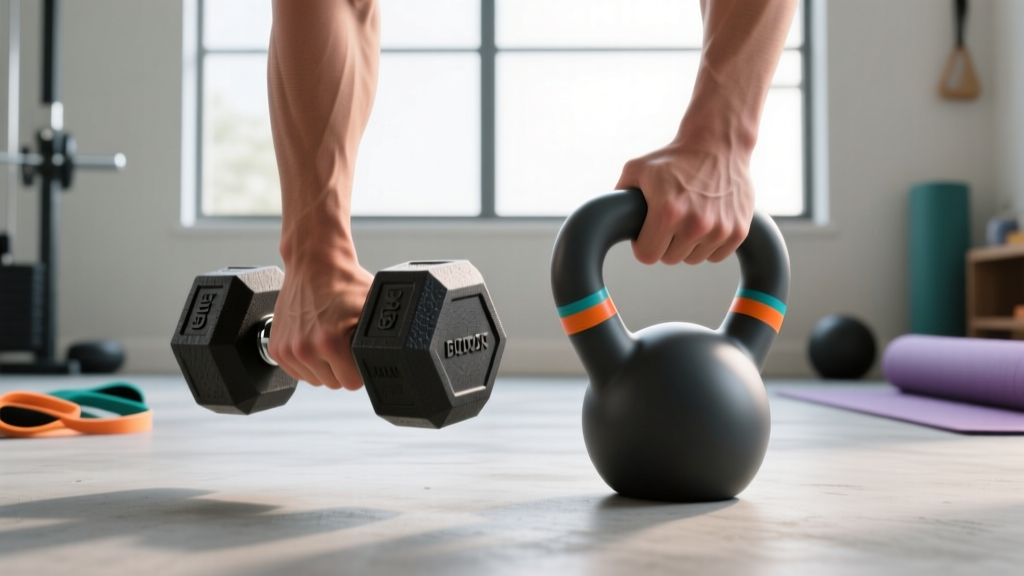
Reverse Grip Dumbbell Curl: Rubber Hex vs Urethane Review
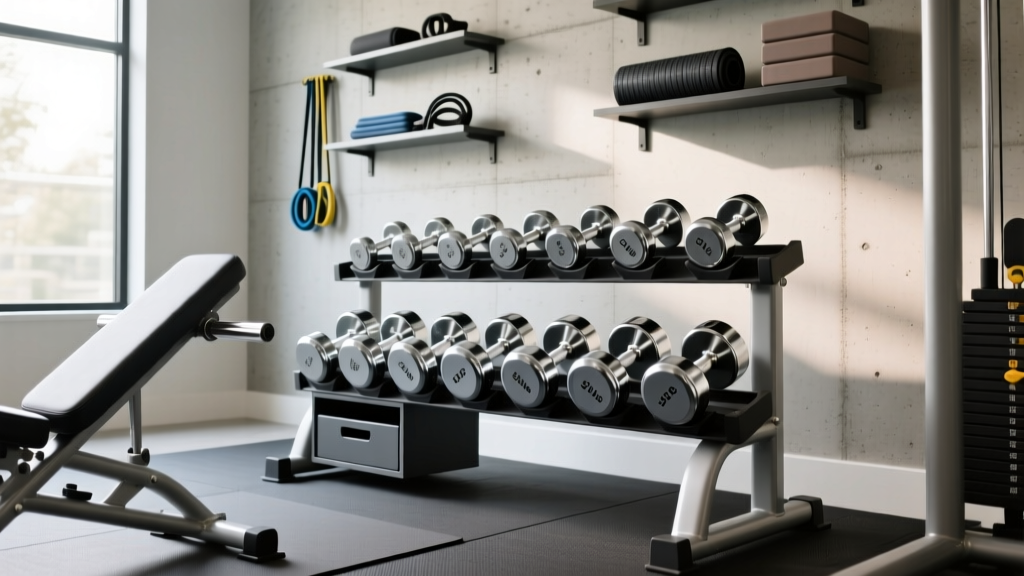
Decline Dumbbell Curl Setups: 2026 Rack & Storage Trends

2026 Bumper Plate vs Iron Plate Trends & Dumbbell Rows Machine
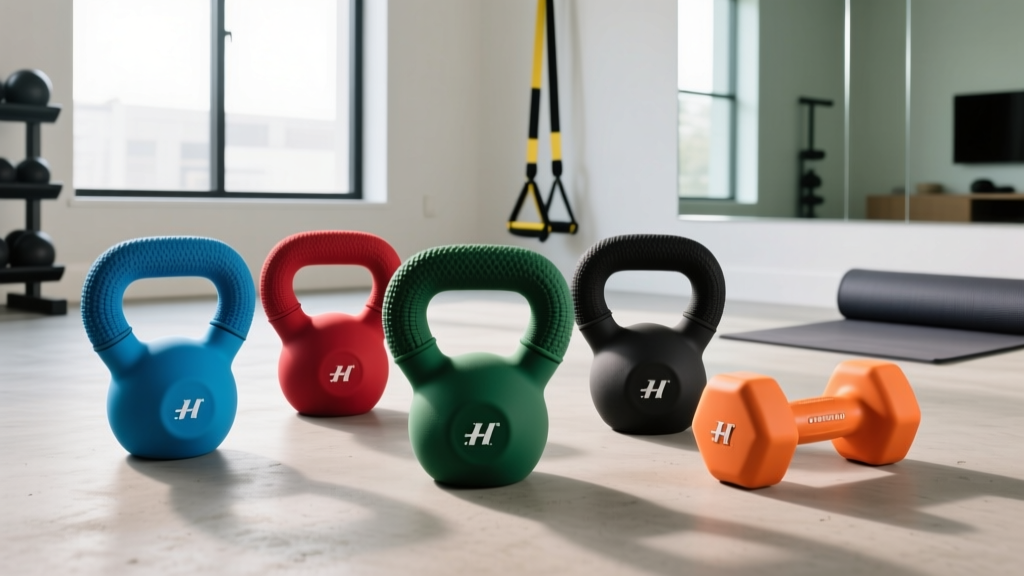
Top Neoprene Dumbbells for Dumbbell Weight Lifting at Home (2026)

Bumper vs Iron Plates for CrossFit Thruster Dumbbell Workouts
