Rowing Machine Guide: Beating Life Fitness Treadmill Incline Levels
Explore our 2026 rowing machine buying guide and technique tips. See how ergometers compare to Life Fitness treadmill incline levels for cardio gains.

When outfitting a premium home gym in 2026, the debate often narrows down to two cardiovascular titans: the high-end treadmill and the indoor rowing machine (ergometer). While both deliver exceptional metabolic conditioning, they target the body in fundamentally different ways. Many buyers debate between the full-body engagement of an ergometer and the steep hiking simulations offered by Life Fitness treadmill incline levels. This comprehensive buying guide and technique breakdown will help you decide which machine deserves your floor space, budget, and daily sweat.
The Biomechanics Showdown: Full-Body Erg vs. Incline Walking
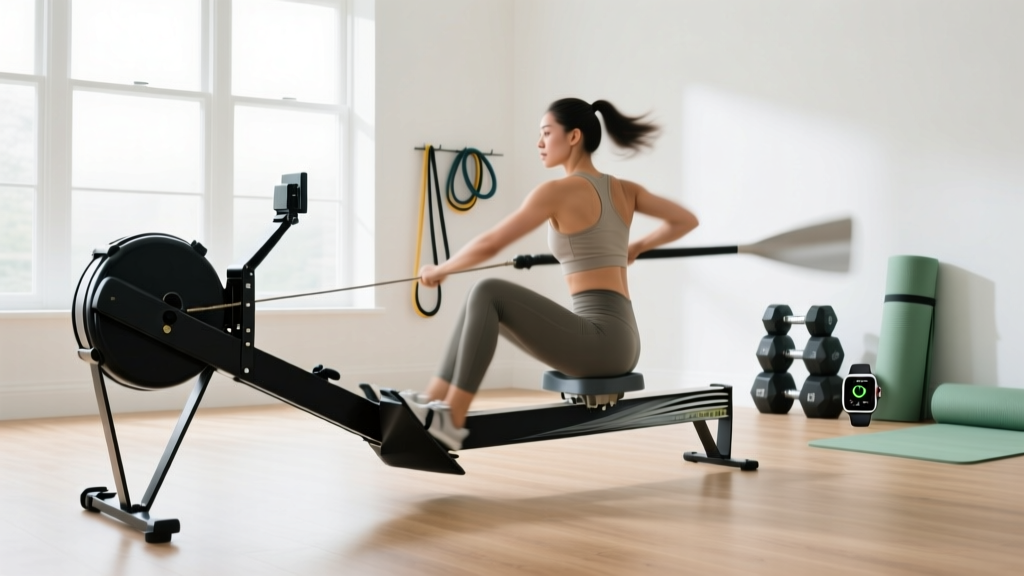
To make an informed purchasing decision, you must first understand the biomechanical tax each machine levies on your body. Rowing is a closed-chain, non-impact exercise that recruits approximately 86% of the body's musculature. The power distribution is highly specific: 60% legs, 30% core/hips, and 10% arms. This massive posterior chain engagement triggers a high cardiovascular demand without the repetitive ground reaction forces associated with running.
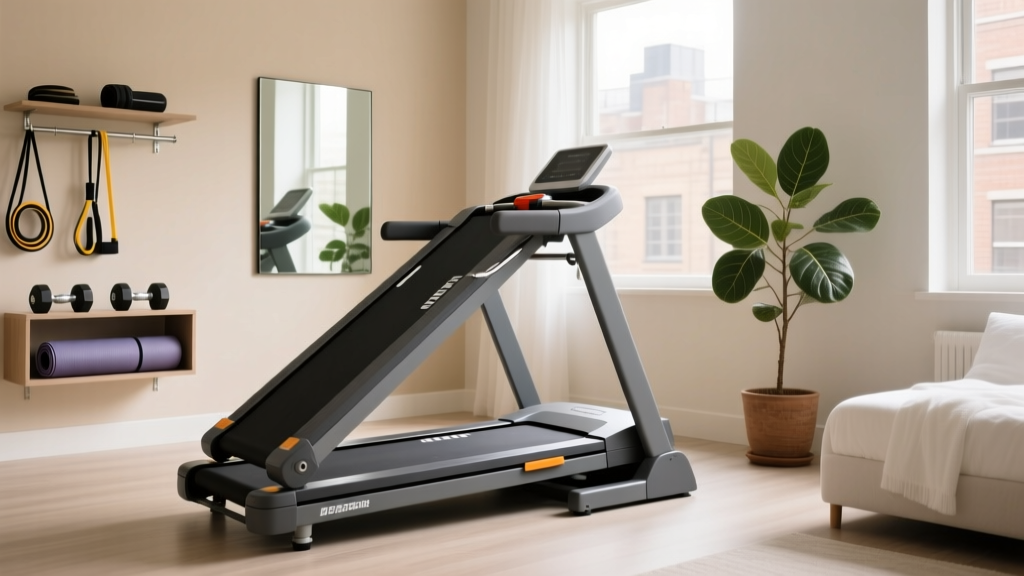
Conversely, utilizing steep Life Fitness treadmill incline levels (such as the 15% maximum grade on the Club Series+) shifts the focus almost entirely to the lower body. A 15% incline at 3.5 mph heavily targets the glutes, hamstrings, and calves, simulating alpine hiking. While excellent for lower-body endurance and bone density, it lacks the upper-body pulling mechanics and core stabilization required by the rowing stroke.
2026 Rowing Machine Comparison Matrix
If you decide the full-body, zero-impact nature of rowing fits your 2026 fitness goals, selecting the right resistance type is critical. Below is a comparison of the top-tier ergometers currently dominating the market.
| Model | Resistance Type | Price (Approx.) | Max User Weight | Footprint (L x W) |
|---|---|---|---|---|
| Concept2 RowErg | Air (Variable) | $990 | 500 lbs | 95' x 24' |
| Hydrow | Electromagnetic | $2,495 | 375 lbs | 86' x 25' |
| NordicTrack RW900 | Magnetic (Silent) | $1,199 | 250 lbs | 86' x 22' |
| WaterRower Club | Water (Fluid) | $1,595 | 375 lbs | 84' x 22' |
Decoding the Resistance Types
- Air Resistance (Concept2): The gold standard for competitive rowers. The harder you pull, the more resistance the flywheel generates. It is infinitely variable but notably loud.
- Electromagnetic (Hydrow): Uses a computer-controlled magnetic brake to simulate the exact drag of a boat on water. Whisper-quiet and paired with immersive screens, but requires a paid subscription for full functionality.
- Water (WaterRower): Aesthetically pleasing and provides a realistic 'swish' sound. The resistance is dictated by the volume of water in the tank and your stroke rate.
Translating Life Fitness Treadmill Incline Levels to Rower Drag
A common question among cross-training athletes is how to equate the workload of a steep treadmill walk to a rowing split. Let us look at the data. When you set a premium treadmill to a 15% incline and walk at 3.5 mph, a 180 lb individual generates roughly 450 to 500 watts of equivalent metabolic power output.
On a Concept2 RowErg, achieving that same metabolic demand requires rowing at a 2:00 to 2:05 per 500-meter split with a drag factor set between 115 and 130. According to the Concept2 Technique Guide, adjusting the damper setting to '5' generally yields a drag factor of 120, which most closely mimics the hydrodynamic drag of a sleek racing shell. While the treadmill isolates the lower body under heavy gravitational load, the rower demands that same wattage be produced through a coordinated, explosive full-body hinge.
Expert Insight: If you are transitioning from steep incline treadmill walking to rowing, do not attempt to match your heart rate immediately. The systemic fatigue of moving blood to both the arms and legs simultaneously on a rower will cause your heart rate to spike 10-15 BPM higher than a 15% incline walk at the same perceived exertion.
Step-by-Step Rowing Technique for Treadmill Converts
Users transitioning from treadmills often carry over poor postural habits or attempt to 'muscle' the handle using only their upper body. The American Council on Exercise (ACE) emphasizes that rowing is a pushing exercise disguised as a pulling exercise. Master the four phases:
- The Catch: Shins vertical, torso leaning forward at 11 o'clock, arms straight. Your lats should be engaged, not your biceps.
- The Drive: This is where the power happens. Push the footplate away explosively using your quads and glutes (the same muscles firing during a steep incline walk). Do not bend your arms until your legs are 80% extended.
- The Finish: As the legs lock out, hinge the hips back to 1 o'clock, then draw the handle to your lower sternum. Keep the wrists flat.
- The Recovery: The exact reverse of the drive. Arms extend first, then the torso hinges forward, and finally the knees bend. The recovery should take twice as long as the drive (a 1:2 ratio).
Critical Failure Mode: 'Shooting the Slide'
The most common error for beginners is 'shooting the slide'—pushing with the legs but failing to engage the core, causing the hips to move backward while the handle stays in place. This places immense shear force on the lumbar spine. Fix this by visualizing your arms as ropes; they do not bend until the hips begin to open.
Edge Cases and Mechanical Maintenance
High-end cardio machines require specific maintenance protocols to avoid catastrophic failure. While treadmills require deck lubrication and belt tensioning, rowers have their own unique mechanical edge cases.
- Chain Stretch and Lubrication: Air rowers use a steel chain that requires purified mineral oil every 40 hours of use. Never use WD-40, as it strips the factory lubricant and accelerates internal wear.
- Bungee Cord Fatigue: The handle retraction mechanism relies on an internal elastic shock cord. After 3 to 5 years of heavy use, this cord loses elasticity, resulting in a sluggish handle return. Replacement cords (e.g., Concept2 Part #1188) cost under $15 and are user-replaceable.
- Magnetic Brake Dust: On silent magnetic rowers, microscopic metal dust can accumulate on the brake housing over time, leading to inconsistent drag factors. Wipe the internal flywheel housing with a dry microfiber cloth bi-annually.
The Cross-Training Compromise
If your budget and space allow, the ultimate 2026 home gym setup does not force a binary choice. Utilizing Life Fitness treadmill incline levels for low-impact, lower-body endurance days, and utilizing the ergometer for high-intensity, full-body VO2 max intervals provides the most comprehensive cardiovascular stimulus possible while mitigating overuse injuries.
Final Verdict: Which Machine Wins Your Floor Space?
If your primary goal is targeted lower-body conditioning, simulating outdoor hiking, or preparing for alpine treks, a premium treadmill with a 15% incline capability is unmatched. However, if you seek maximum caloric expenditure per minute, zero joint impact, and upper-body muscular endurance, the rowing machine is the superior investment. For most home gym owners working with a sub-$1,500 budget and limited square footage, the foldable, air-resistant Concept2 RowErg remains the undisputed champion of cardiovascular efficiency.
More gear to consider
All reviews
ProForm Carbon Pro 9000 Treadmill: Beginner's Feature Guide

How to Get Rid of a Treadmill: 2026 Belt Maintenance & Market Trends
Nautilus Treadmill Buying Guide: Feature Comparison Mistakes

Caroma Treadmill vs. Elliptical: 2026 Home Cardio Market Trends

Budget Folding Treadmills for a HIIT Treadmill Plan: 2026 Review