
Router vs Fitness Tracker: 2026 Home Gym Tech Budget Breakdown
Decide where to allocate your 2026 smart gym budget. We break down the ROI, hidden costs, and performance impacts of a Wi-Fi 7 router vs fitness tracker.

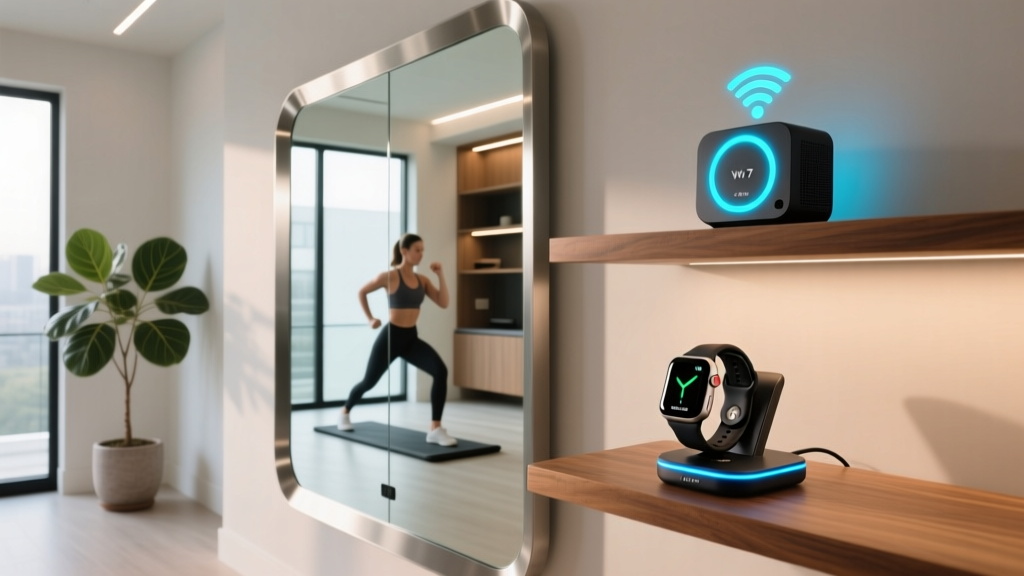
Setting up a connected fitness space in 2026 requires more than just adjustable dumbbells and a yoga mat; it demands robust digital infrastructure and precise biometric feedback. When allocating the final $400 to $800 of a smart home gym build, the debate of router vs fitness tracker often stalls buyers. Do you invest in a Wi-Fi 7 mesh system to eliminate latency on your 4K smart mirror, or do you upgrade to a premium multisport GPS watch for outdoor training? This budget breakdown analyzes the total cost of ownership, hidden subscription fees, and performance bottlenecks to help you make a mathematically sound decision.
The True Cost of a Connected Home Gym in 2026
Modern smart gym equipment relies heavily on stable, high-bandwidth network connections. Devices like the Tonal 2, Peloton Guide, and various AR-enabled fitness mirrors stream high-definition video while simultaneously uploading real-time telemetry data to the cloud. According to the FCC Broadband Speed Guide, multiple high-definition streams and low-latency IoT connections require substantial bandwidth management, which older Wi-Fi 5 or Wi-Fi 6 routers struggle to handle when household device density exceeds 40 connected nodes.
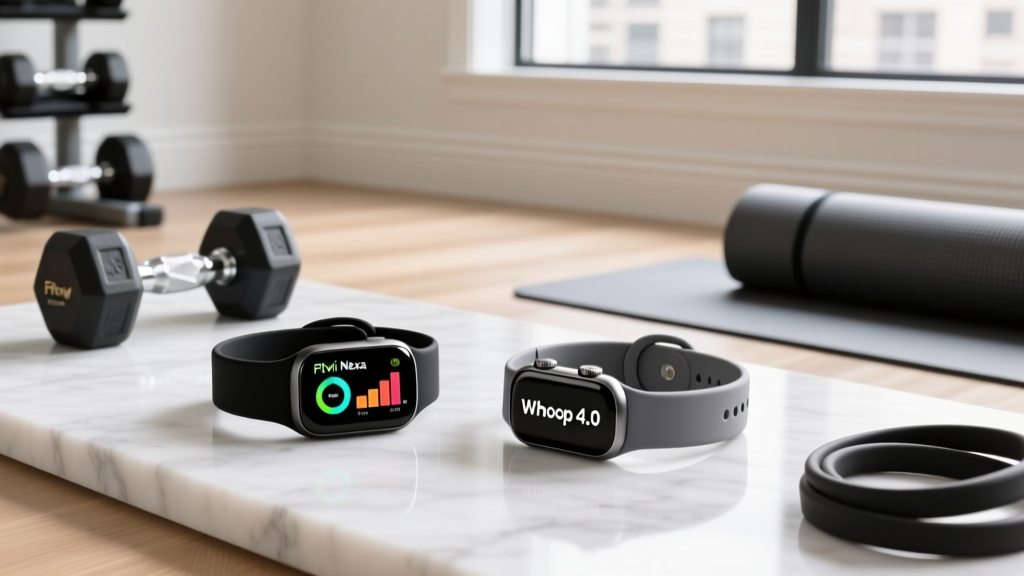
Conversely, premium wearables have evolved from simple step counters into comprehensive health laboratories. Features like continuous ECG monitoring, core body temperature tracking, and offline topographical mapping require advanced sensors and significant R&D costs, pushing flagship prices near the $1,000 mark. Understanding where your money yields the highest daily return is critical for long-term budget planning.
Router vs Fitness Tracker: Comparing the ROI
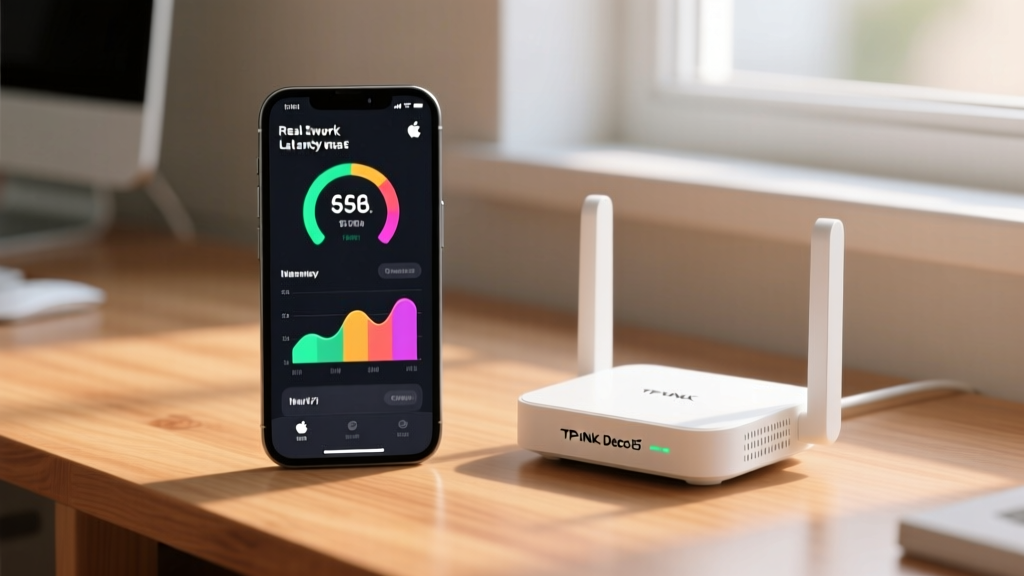
Evaluating a high-end router vs fitness tracker requires looking past the initial sticker price and calculating the five-year Total Cost of Ownership (TCO). Hardware lifespan, battery degradation, and mandatory ecosystem subscriptions drastically alter the actual cost of these devices.
The Network Upgrade Route: Wi-Fi 7 Mesh Systems
- Flagship Model: Asus RT-BE96U or TP-Link Deco BE85 (3-pack)
- Average Hardware Cost: $550 - $650
- Expected Lifespan: 5 to 7 years
- Subscription Fees: $0 (Basic parental controls and security suites are typically included or optional)
- 5-Year TCO: ~$600
- Annualized Cost: $120 per year
Upgrading to Wi-Fi 7 (802.11be) introduces Multi-Link Operation (MLO), which allows devices to connect across multiple bands simultaneously. The Wi-Fi Alliance notes that this technology drastically reduces latency and increases network capacity, ensuring your smart treadmill never buffers during a live studio class, even if someone else in the house is downloading large files.
The Wearable Upgrade Route: Premium Multisport Watches
- Flagship Models: Garmin Fenix 8 AMOLED or Apple Watch Ultra 2
- Average Hardware Cost: $799 - $999
- Expected Lifespan: 3 to 4 years (Lithium-ion batteries degrade to 80% capacity by year 3, often necessitating a $99 battery service or full replacement)
- Subscription Fees: $0 for Garmin; $120/year for Apple Fitness+
- 5-Year TCO (Apple Ecosystem): $799 (Watch) + $99 (Battery Service) + $600 (5 years Fitness+) = $1,498
- Annualized Cost: ~$300 to $386 per year
| Cost Metric | Wi-Fi 7 Router (e.g., Asus BE96U) | Premium Tracker (e.g., Apple Watch Ultra) | Premium Tracker (e.g., Garmin Fenix 8) |
|---|---|---|---|
| Upfront Hardware Cost | $599 | $799 | $899 |
| Mandatory Subscriptions (5 Yrs) | $0 | $600 | $0 |
| Maintenance / Battery Service | $0 | $99 | $0 (User-replaceable coin cell for secondary sensors) |
| 5-Year Total Cost of Ownership | $599 | $1,498 | $899 |
| Cost Per Year | $119 | $299 | $179 |
When to Prioritize the Wi-Fi 7 Router
The router vs fitness tracker decision ultimately hinges on where your performance bottlenecks lie. If your primary training modality is indoor, connected, and reliant on live streaming, the network is your weakest link.
Prioritize the Router If:
- You own smart strength equipment (Tonal, Vitruve) that requires real-time cloud processing for velocity-based training metrics.
- Your home gym is located in a basement, garage, or detached ADU where standard ISP router signals fail to penetrate concrete walls.
- Multiple household members use bandwidth-heavy fitness apps simultaneously (e.g., one on a Peloton Bike+, another streaming a yoga class on a smart TV).
- You experience micro-stutters or audio desync during live instructor-led classes, which ruins the cadence and motivation of the workout.
When to Prioritize the Premium Fitness Tracker
If your training extends beyond the walls of your home gym, a high-end router provides zero return on investment for your outdoor performance. Wearables offer biometric insights that no smart mirror can accurately capture without cumbersome chest straps.
'A premium multisport watch pays for itself by replacing multiple single-use devices. The Garmin Fenix 8, for instance, eliminates the need for a separate cycling computer, a dedicated running watch, and a standalone sleep tracker, consolidating over $1,200 worth of niche hardware into one $899 package.'

The Budget Allocation Decision Matrix
Use this framework to determine where your next $600 should go based on your specific training profile and current hardware limitations.
| Training Profile | Current Tech Setup | Primary Bottleneck | Recommended Allocation |
|---|---|---|---|
| Indoor Smart Gym Enthusiast | ISP-provided Wi-Fi 5 router, basic smart band | Video buffering, dropped Bluetooth sensor connections | Wi-Fi 7 Mesh Router |
| Outdoor Endurance Athlete | Stable home network, aging GPS watch with poor battery | Inaccurate heart rate zones, GPS drift in canyons | Premium Multisport Tracker |
| Hybrid Athlete (Indoor/Outdoor) | Mid-range Wi-Fi 6 router, smartphone for tracking | Lack of advanced biometrics (HRV, VO2 Max) | Premium Tracker (Garmin/Apple) |
| Multi-User Household | Single-node router, multiple premium wearables | Network congestion causing smart equipment lag | Wi-Fi 7 Mesh Router |
Hidden Costs: Ecosystem Lock-in and Depreciation
When budgeting for tech, depreciation is a silent budget killer. Premium fitness trackers suffer from rapid technological obsolescence. A flagship smartwatch purchased today will likely see a successor with advanced non-invasive glucose monitoring or new blood pressure FDA clearances within 24 to 36 months, making your current device feel outdated. Furthermore, proprietary app ecosystems often lock you into specific hardware; switching from Apple to Garmin later means losing years of deeply integrated health data and purchased apps.
Networking hardware, by contrast, depreciates much slower in terms of user experience. A high-end Wi-Fi 7 router purchased in 2026 will comfortably handle the bandwidth requirements of 8K fitness streams and next-generation haptic feedback suits for the better part of a decade. The utility of a robust network compounds over time as you add more smart home devices, whereas a tracker's utility is strictly limited to the person wearing it.
Final Verdict: Environmental vs. Personal Optimization
Ultimately, the router vs fitness tracker dilemma is a choice between environmental optimization and personal biometric optimization. If your home gym experience is constantly hampered by connectivity issues, dropped live classes, or lagging smart mirrors, no amount of personal biometric data will fix the frustration of a broken workout environment. Invest the $600 in a Wi-Fi 7 mesh system first to secure your digital foundation.
However, if your network already handles your smart equipment flawlessly, or if your training is predominantly outdoor and performance-driven, the budget must shift to the wrist. Upgrading to a Garmin Fenix 8 or Apple Watch Ultra 2 will yield immediate, measurable improvements in your training zones, recovery tracking, and race-day execution. Evaluate your current bottlenecks, calculate the five-year TCO, and deploy your capital where it removes the most friction from your daily routine.
More gear to consider
All reviews
Cycling Computer & Sensor Guide for Halo Ring Fitness Tracker Users

Amazfit Helio Strap Fitness Tracker: 2026 Budget Market Analysis

Fitbit Charge 6 Fitness Tracker Reviews & Sleep Device Layout Guide

Router vs Fitness Tracker Connectivity: Fixing 2.4GHz Sync Failures
Fitvii Nexa Fitness Tracker vs Whoop 4.0 for Strength Training
