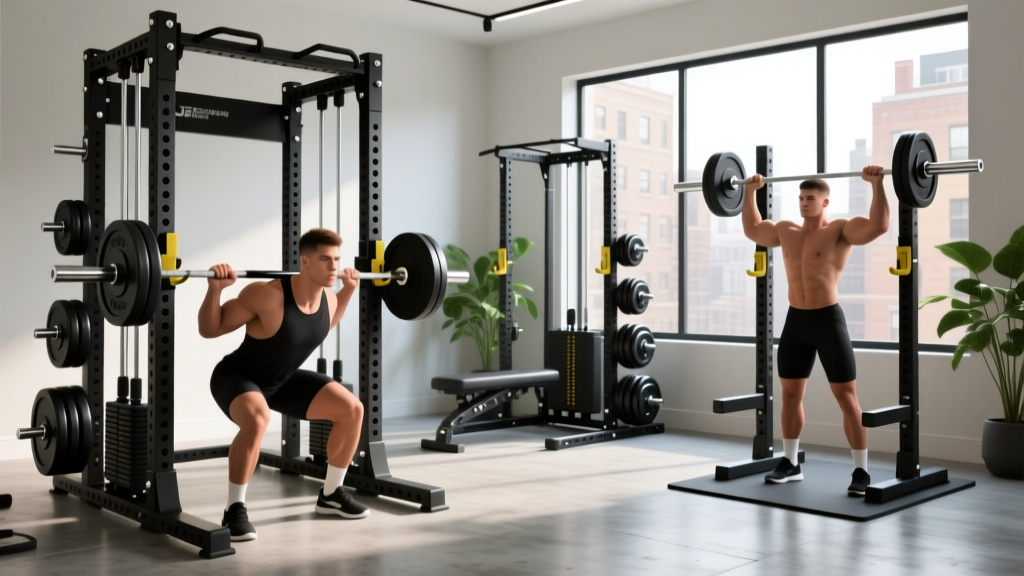
Bumper vs Iron Plates & Rep Rubber Hex Dumbbells: 2026 Market Trends
Analyze 2026 free weight market trends comparing bumper vs iron plates, and discover why Rep rubber hex dumbbells dominate home gym investments.

The 2026 Free Weight Market Landscape
As we navigate the 2026 fitness equipment market, the free weight sector has undergone a significant maturation. Global supply chain bottlenecks that once artificially inflated pig iron and synthetic rubber prices have largely stabilized, leading to a highly competitive landscape for home and commercial gym owners. However, consumer preferences have shifted dramatically. Buyers are no longer just looking for raw weight; they are demanding precision engineering, durability, and space efficiency. This trend report breaks down the technical and economic realities of the bumper plate vs iron plate comparison, while analyzing why complementary investments like Rep rubber hex dumbbells have captured the lion's share of the mid-tier dumbbell market.
Bumper Plates vs. Cast Iron: A Technical & Market Breakdown
The debate between bumper plates and cast iron plates is no longer just about noise reduction; it is a fundamental question of training modularity and equipment lifespan. According to BarBend's comprehensive guide on plate materials, the choice heavily dictates the types of lifts you can safely perform and the long-term maintenance required for your gym floor.
| Feature | Virgin Rubber Bumper Plates | Machined Cast Iron Plates |
|---|---|---|
| Material Core | Steel hub, virgin/synthetic rubber | Solid cast iron, enamel/powder coat |
| Durometer (Hardness) | 85A - 90A (Training), 70A (Comp) | N/A (Rigid metal) |
| Weight Tolerance | ±1% (Premium), ±3% (Economy) | ±1% (Machined), ±5% (Unmachined) |
| 2026 Avg. Price Per LB | $2.50 - $3.80 | $1.40 - $2.10 |
| Drop Rating | High (Designed for Olympic drops) | Low (Will crack flooring/hubs) |
| Primary Failure Mode | Rubber tearing at steel hub insert | Oxidation (rust), enamel chipping |
The Bumper Plate Evolution: Virgin vs. Crumb Rubber
In 2026, the market has heavily penalized crumb rubber bumpers due to their high bounce and rapid degradation. The industry standard has shifted toward virgin rubber. High-quality training bumpers, such as the benchmark set by the Rogue Fitness Echo Bumper specifications, utilize a Shore A durometer rating of 85 to 90. This specific hardness provides a "dead bounce," meaning the plate absorbs kinetic energy upon impact rather than returning it, which is critical for safety during high-volume Olympic lifting. The most common failure mode in lower-tier bumpers is the separation of the rubber from the steel center hub; premium 2026 models now use hooked or flanged steel inserts to mechanically lock the rubber in place.
Cast Iron Plates: The Traditionalist's ROI
Cast iron remains the undisputed king of powerlifting and bodybuilding-centric facilities. The primary market shift in recent years is the consumer demand for machined iron plates. Unmachined plates, which can vary in weight by up to 5%, are now largely relegated to budget commercial chains. Serious home gym owners are exclusively purchasing machined iron plates, where the casting is milled down to exact tolerances (±10 grams). Furthermore, modern powder-coating techniques have vastly improved rust resistance compared to the brittle enamel finishes of the early 2020s, though humidity-controlled environments remain a requirement for long-term preservation.
The Dumbbell Ecosystem: Why Rep Rubber Hex Dumbbells Lead the Market
When outfitting the rest of the free weight ecosystem, the market has shown a massive pivot toward premium, odor-free options. In the highly contested mid-tier dumbbell market, Rep rubber hex dumbbells have emerged as the undisputed volume leader for high-end home and garage gyms. While urethane dumbbells dominate the $4.00+/lb commercial tier, Rep Fitness has captured the $1.50 to $2.00/lb sweet spot by offering commercial-grade ergonomics at an accessible price point.
Market Insight: The VOC Off-Gassing Solution
Historically, the biggest consumer complaint regarding rubber-coated dumbbells was the lingering volatile organic compound (VOC) odor, commonly known as "new rubber smell." By 2026, Rep Fitness and similar top-tier manufacturers have optimized their vulcanization and curing processes. The Rep Fitness official dumbbell lineup now utilizes a specialized virgin rubber compound that reduces off-gassing timelines from the traditional 3-4 weeks down to roughly 5-7 days in a well-ventilated space, a massive selling point for attached garage gyms.
Technical Specifications Driving Rep's Dominance
- Handle Ergonomics: Rep's rubber hex dumbbells feature a 30mm diameter shaft with a medium-depth knurl. Unlike competitors that use aggressive, sharp knurling that tears calluses during high-rep hypertrophy work, Rep's knurl pattern is optimized for secure grip without requiring excessive chalk.
- Head Geometry: The hexagonal heads are poured with a slight bevel on the edges. This prevents the rubber from chipping when the dumbbells are set down forcefully on rubber matting, a common failure point in cheaper, sharp-cornered hex dumbbells.
- Internal Bonding: The steel core of the dumbbell head features a multi-point friction weld to the handle shaft, completely eliminating the "rattle" or loosening that plagues budget hex dumbbells after 12 to 18 months of heavy use.
Capital Allocation: Building a Future-Proof Home Gym
Based on 2026 pricing and equipment longevity metrics, we recommend a strategic capital allocation framework for a $3,000 free weight budget. This ensures you do not over-invest in one modality at the expense of another.
- The Barbell & Plate Foundation (50% - $1,500): Invest in a high-tensile strength barbell (190k+ PSI) and 300 lbs of machined cast iron plates if your focus is powerlifting, or 230 lbs of virgin rubber bumpers if you prioritize CrossFit/Olympic lifting. Do not compromise on the barbell shaft.
- The Dumbbell Spectrum (35% - $1,050): Allocate funds toward a condensed but heavy set of Rep rubber hex dumbbells. Rather than buying a massive 5-50 lb rack, purchase pairs in 15 lb increments (e.g., 25s, 40s, 55s, 70s) to maximize heavy hypertrophy and strength work while staying within budget.
- Protection & Storage (15% - $450): High-density 3/4-inch horse stall mats or specialized drop pads, paired with a vertical dumbbell tier or horizontal plate tree to prevent floor degradation and hub warping.
Expert Verdict & Purchasing Framework
The 2026 free weight market rewards buyers who understand the intersection of material science and training intent. If your programming involves dropping weight from overhead or the shoulders, the bumper plate vs iron plate comparison ends immediately: you must invest in virgin rubber bumpers with a high durometer rating to protect your equipment and flooring. Conversely, if your training is strictly controlled eccentric and concentric movements (powerlifting, bodybuilding), machined cast iron offers superior weight density and a lower price-per-pound ratio.
Regardless of your plate choice, the accessory market has clearly spoken. The ergonomic refinements, improved rubber curing processes, and aggressive pricing of Rep rubber hex dumbbells make them the most mathematically sound investment for the modern home gym. By pairing precision-machined plates or high-density bumpers with a premium hex dumbbell set, you secure a versatile, lifetime-rated free weight ecosystem that adapts to any training evolution.
More gear to consider
All reviews
Dumbbell Only Workout Split Reddit Limits: Barbell Collar Setup Guide
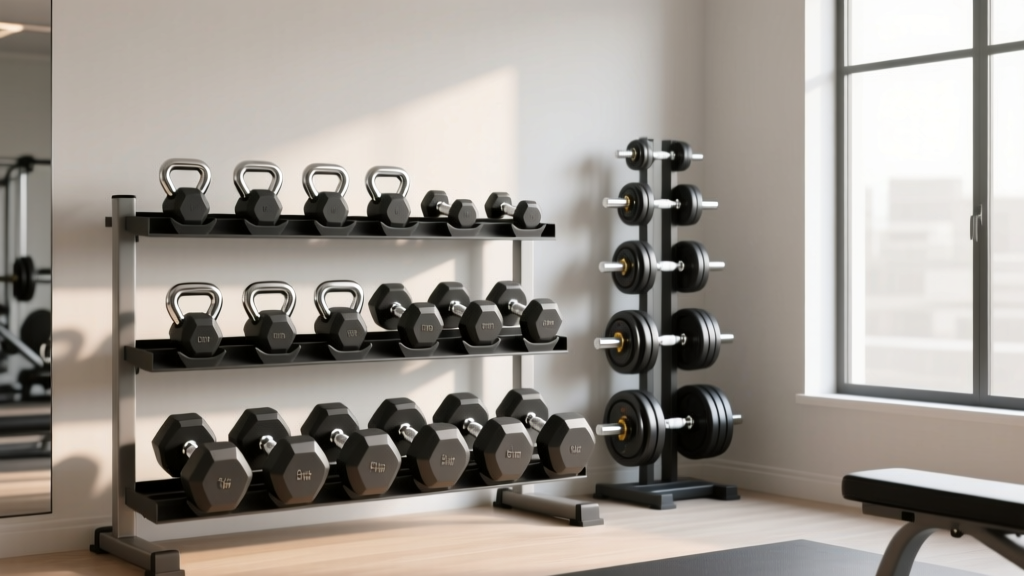
Organizing Your Dumbbell Curl Weight Collection: Storage & Layout

Thomas Inch Dumbbell Challenge: Top Loadable Dumbbells for Grip

EZ Bar vs Straight Bar & Rear Delt with Dumbbells: Budget Breakdown

Budgeting for the Butterfly Press with Dumbbells: Loadable Sets