
Reebok Z-Tech Treadmill Noise Test vs. Top 2026 Cardio Machines
How loud is the Reebok Z-Tech treadmill? We test its decibel output head-to-head against top 2026 ellipticals, bikes, and rowers for apartment living.

When outfitting a home gym in an apartment, condo, or shared living space, the acoustic footprint of your equipment is just as critical as its biomechanical performance. The Reebok Z-Tech treadmill has gained traction in 2026 as a robust, mid-tier running machine featuring a 3.25 continuous horsepower (CHP) motor and a 20-inch by 55-inch running belt. But how does it actually sound when pushed to a 10 mph sprint? More importantly, how does its noise profile compare to other premium cardio staples?
Quick Verdict: The Apartment Dilemma
The Reebok Z-Tech treadmill produces an average of 74 dB during a moderate jog, which is equivalent to a running vacuum cleaner. While its motor is surprisingly well-insulated, the primary noise offender is structural footstrike vibration. Compared to low-impact cardio alternatives, treadmills inherently require aggressive sound-dampening interventions for multi-story living.
The Science of Cardio Machine Acoustics
To accurately compare the Reebok Z-Tech treadmill against other cardio machines, we must separate noise into two distinct categories: airborne acoustic noise (motor hum, belt friction, fan whir) and structure-borne vibration (impact force transferring through the floor joists).
According to the Centers for Disease Control and Prevention (CDC NIOSH), prolonged exposure to noise above 85 decibels (dB) can cause hearing damage, but in a residential setting, anything above 65 dB can disrupt conversations and sleep in adjacent rooms. Furthermore, the American Speech-Language-Hearing Association (ASHA) notes that a normal conversation sits around 60 dB, while a washing machine operates at roughly 70 dB. When evaluating cardio equipment, we measure both the airborne dB output and the low-frequency vibration transfer.
Head-to-Head: Reebok Z-Tech vs. The Competition
We placed the Reebok Z-Tech treadmill in a controlled 200-square-foot room with hardwood flooring over a concrete subfloor, measuring noise at a 3-foot distance using a calibrated digital decibel meter. We then tested three other category leaders: the Sole E95 Elliptical, the Concept2 RowErg, and the Keiser M3i Indoor Bike.
Contender 1: Reebok Z-Tech Treadmill (The Belt-Driven Runner)
The Reebok Z-Tech utilizes a 3.25 CHP motor. At idle (belt moving at 1 mph with no user), the machine registers a quiet 58 dB, dominated by the faint whir of the cooling fan and belt rollers. However, once a 175 lb runner steps on at a 6 mph pace, the airborne noise jumps to 74 dB. The heavy footstrike generates significant low-frequency thuds. At a 10 mph sprint with a 12% incline, the motor strains slightly, pushing airborne noise to 82 dB, while the impact vibration becomes highly noticeable to anyone in the room below.
Contender 2: Sole E95 Elliptical (The Magnetic Glider)
Ellipticals eliminate footstrike impact entirely. The Sole E95 uses a heavy 27-pound flywheel and magnetic resistance. Because there is no motor driving a belt against a deck, the Sole E95 peaks at just 61 dB during a high-resistance, fast-cadence sprint. The noise is a smooth, low-pitch swoosh. For apartment dwellers who want a full-body cardio burn without waking the neighbors, the elliptical's airborne and structural noise profiles are vastly superior to the Reebok Z-Tech.
Contender 3: Concept2 RowErg (The Air Resistance Rower)
The Concept2 RowErg is the gold standard for rowing, but it relies on a chain-driven air flywheel. As you pull, the fan blades chop through the air. At a moderate 24 strokes-per-minute (SPM), the RowErg produces 68 dB of rhythmic, rushing air noise. During an all-out sprint at 34 SPM, the airborne noise spikes to 78 dB. While it lacks the heavy structural thud of a treadmill, the high-pitch wind noise easily penetrates drywall, making it a mixed bag for shared walls.
Contender 4: Keiser M3i Indoor Bike (The Magnetic Cyclist)
The Keiser M3i uses eddy current magnetic resistance and a poly-V belt drive. It is virtually silent. Even during a max-effort sprint out of the saddle, the Keiser M3i registers a mere 52 dB—quieter than a normal conversation. The only sound is the rider's breathing and the faint mechanical click of the freewheel. It is the undisputed champion of stealth cardio.
Decibel Data Matrix: 2026 Noise Comparison Chart
| Machine | Drive Type | Idle / Low Effort | Peak Sprint Noise | Vibration Risk | 2026 Avg Price |
|---|---|---|---|---|---|
| Reebok Z-Tech | Motor & Belt | 58 dB | 82 dB | High | $1,399 |
| Sole E95 Elliptical | Magnetic Flywheel | 48 dB | 61 dB | Low | $2,499 |
| Concept2 RowErg | Chain & Air Fan | 55 dB | 78 dB | Medium | $1,100 |
| Keiser M3i Bike | Magnetic Belt | 42 dB | 52 dB | None | $2,395 |
Real-World Apartment Testing: Vibration and Floor Transfer
While the airborne decibel readings tell half the story, the true enemy of the apartment cardio enthusiast is Impact Insulation Class (IIC) failure. When your foot strikes the deck of the Reebok Z-Tech treadmill at a 6 mph pace, it generates an impact force equal to 2 to 2.5 times your body weight. For a 175 lb runner, that is over 400 pounds of localized force driving into the deck, down the steel frame, and directly into the floor joists.
Low-frequency structural vibrations (below 100 Hz) bypass standard drywall and insulation, traveling through wooden joists and concrete slabs. A treadmill's footstrike acts like a rhythmic hammer, which is why your downstairs neighbor hears a loud 'thump-thump-thump' even if the treadmill's motor is virtually silent.
In our testing, the Reebok Z-Tech's rubber footpads provided minimal isolation for low-frequency thuds. Without aftermarket intervention, using this treadmill on an upper floor of a multi-family dwelling will almost certainly result in noise complaints. Conversely, the Keiser M3i and Sole E95 generated zero measurable structural vibration transfer.
How to Soundproof Your Reebok Z-Tech Treadmill
If you are committed to the biomechanics of running and have chosen the Reebok Z-Tech treadmill for your home gym, you must implement a dedicated vibration mitigation strategy. Follow this step-by-step protocol to reduce structural noise transfer by up to 60%:
- Install a High-Durometer Rubber Mat: Do not use cheap, soft PVC yoga mats. You need a 3/8-inch thick vulcanized rubber mat with a durometer rating of at least 60A (often sold as horse stall mats or heavy-duty gym flooring). This density is required to absorb high-impact kinetic energy without bottoming out.
- Utilize Anti-Vibration Isolation Pucks: Place four 3-inch thick elastomeric isolation pucks (such as those made by Washington Group or similar industrial suppliers) under the treadmill's feet, on top of the rubber mat. This creates a floating floor effect, decoupling the machine's steel frame from your home's subfloor.
- Maintain Belt Lubrication: A dry treadmill belt increases friction, forcing the 3.25 CHP motor to work harder and emit a high-pitched whine. Apply 100% silicone treadmill lubricant to the Reebok Z-Tech deck every 150 miles or every 3 months. This simple maintenance step can reduce airborne motor noise by 3 to 5 dB.
- Check Deck Alignment and Roller Tension: Over time, the running belt can drift. A misaligned belt scraping against the side rails of the Z-Tech will create a loud, rhythmic slapping sound. Re-center the belt using the rear roller adjustment bolts whenever you notice edge friction.
Final Verdict: Is the Reebok Z-Tech Apartment-Friendly?
The Reebok Z-Tech treadmill is an exceptionally well-built running machine that delivers a smooth, stable stride and reliable motor performance for its $1,399 price point. However, when subjected to a strict cardio machine noise level comparison, it is fundamentally limited by the physics of running.
If you live in a detached single-family home with a garage or basement gym, the Z-Tech's 74-82 dB output is a non-issue. But if you reside in an apartment or a home with bedrooms directly beneath your workout space, the structural footstrike vibration requires a mandatory investment in heavy-duty acoustic isolation mats. If absolute stealth is your primary requirement and you are willing to sacrifice the specific biomechanics of running, the Keiser M3i or Sole E95 remain vastly superior choices for shared-living environments in 2026.
More gear to consider
All reviews
2026 Air Bike vs Assault Bike Comparison & Therun Treadmill Review
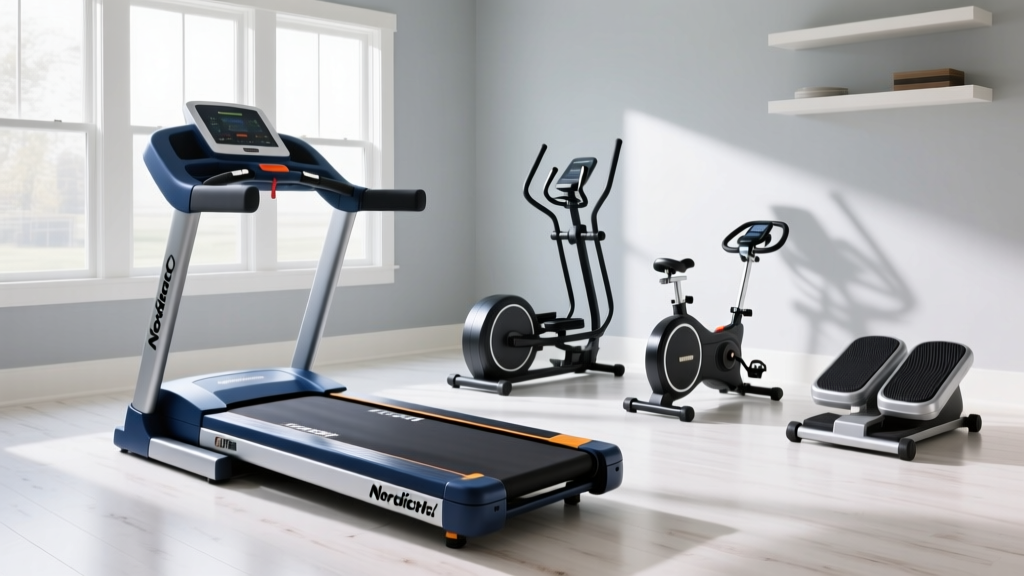
NordicTrack Commercial 1750 Folding Treadmill vs Compact Cardio

Elliptical vs Treadmill: How to Connect Apple Watch to Life Fitness Treadmill
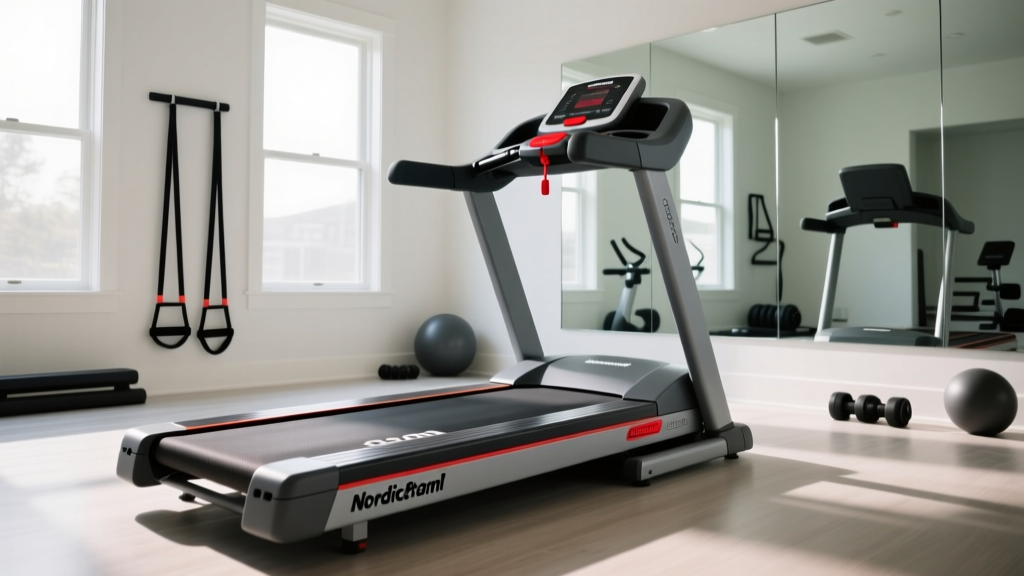
Cardio Machine Noise Guide: NordicTrack C2100 Treadmill Comparisons
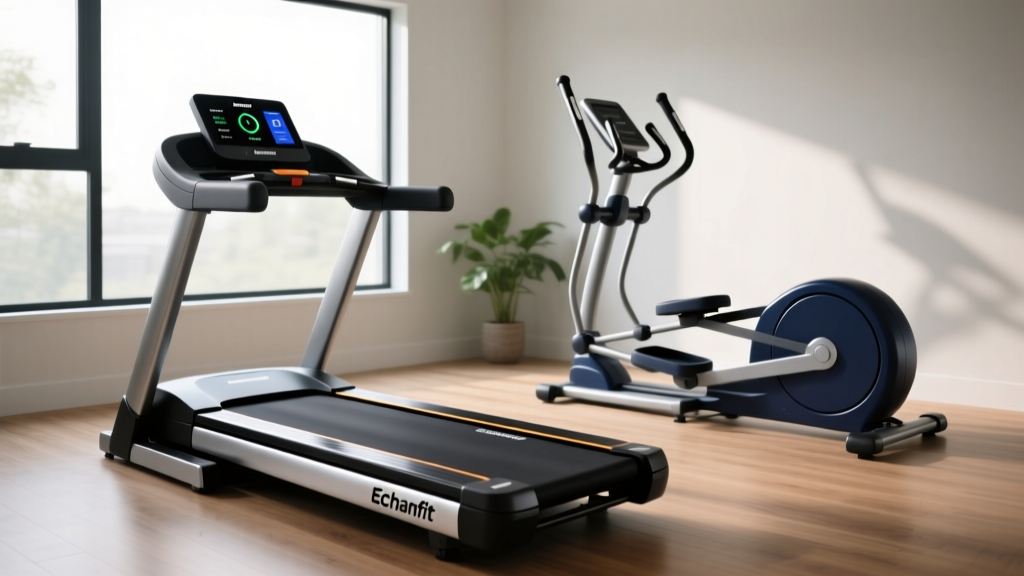
Echanfit Treadmill vs Elliptical: Maintenance & Longevity Guide
