Quiet High Intensity Interval Training Treadmill & Noise Guide 2026
Compare cardio machine noise levels and find the best quiet high intensity interval training treadmill for apartments. Expert 2026 buying guide & data.

The Decibel Dilemma: Why Cardio Machine Noise Matters
Building a home gym in 2026 offers unparalleled convenience, but it introduces a significant environmental hurdle: acoustic pollution. When you are executing maximum-effort sprints, the last thing you want is a noise complaint from a downstairs neighbor or a disrupted household. According to the Mayo Clinic, high-intensity interval training (HIIT) is one of the most time-efficient methods for improving cardiovascular health and metabolic function. However, performing these explosive workouts at home requires specialized equipment that can handle rapid mechanical stress without generating excessive decibels.
Finding a genuinely quiet high intensity interval training treadmill is notoriously difficult. Treadmills inherently combine high-impact foot strikes with powerful electric motors, creating a dual-threat of airborne and structure-borne noise. This comprehensive buying guide and cardio machine noise level comparison will help you navigate the acoustic engineering of modern fitness equipment, ensuring you can push your VO2 max to the limit without disturbing the peace.
The Physics of Fitness: Airborne vs. Structure-Borne Noise
To effectively compare cardio machines, we must first categorize the types of noise they produce. Understanding this distinction is critical for apartment dwellers and those with shared walls.
- Airborne Noise: This is the sound that travels through the air, such as the whir of a treadmill motor, the whoosh of a rowing machine's air flywheel, or the audible thud of your feet hitting the deck. It is measured in standard decibels (dB) and can be mitigated with room insulation or closed doors.
- Structure-Borne Noise (Vibration): This is low-frequency kinetic energy that transfers directly from the machine, through the floor joists, and into the architecture of the building. This is the primary culprit behind neighbor complaints. A heavy foot strike on a rigid treadmill deck creates a low-frequency 'thud' that easily penetrates concrete and wood subfloors.
Cardio Machine Noise Level Comparison Matrix
Not all cardio equipment is created equal when it comes to acoustic output. Below is a comparative analysis of the most popular home cardio machines, specifically evaluating their suitability for high-intensity, noise-sensitive environments.
| Machine Type | Avg Airborne Noise (dB) | Structure-Borne Risk | HIIT Suitability (Quiet Zones) |
|---|---|---|---|
| Treadmill (Standard) | 70 - 85 dB | Extreme | Poor (Requires heavy dampening) |
| Treadmill (Cushioned/Premium) | 65 - 78 dB | High | Fair to Good (With proper matting) |
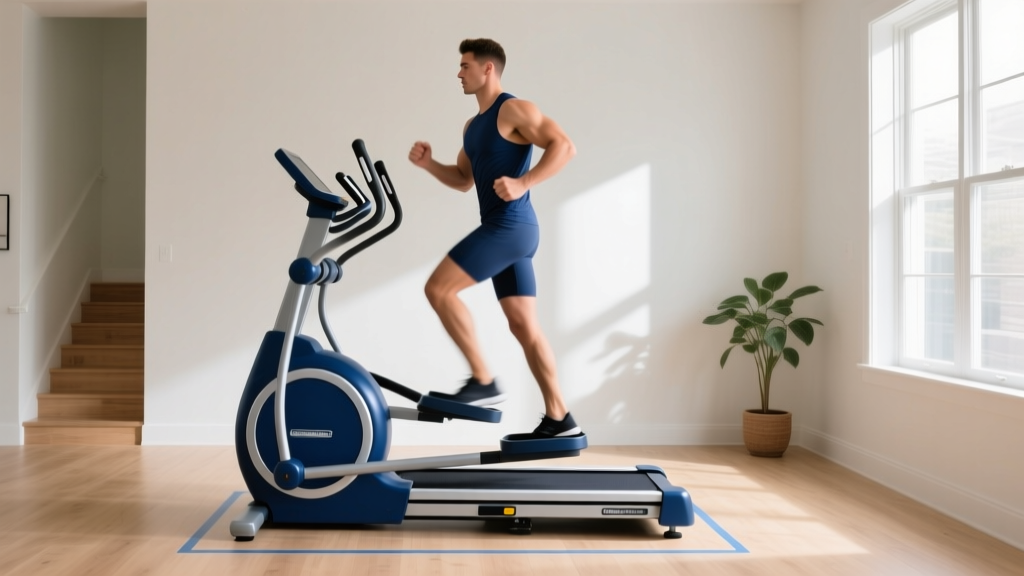
| Elliptical Cross-Trainer | 50 - 65 dB | Low | Excellent (Zero-impact mechanics) |
| Indoor Cycling Bike (Magnetic) | 45 - 60 dB | Very Low | Excellent (Whisper-quiet drivetrain) |
| Rowing Machine (Air) | 75 - 85 dB | Low | Poor (Air resistance is inherently loud) |
| Rowing Machine (Magnetic) | 55 - 65 dB | Low | Good (Quiet, but limited sprint resistance) |
Expert Insight: If your primary goal is running-based HIIT and you live in a multi-story dwelling, an elliptical or magnetic indoor bike will always be acoustically superior. However, if running mechanics are non-negotiable for your training regimen, you must invest in a premium treadmill specifically engineered for vibration dampening.
Sourcing a Quiet High Intensity Interval Training Treadmill
When shopping for a high intensity interval training treadmill, most buyers focus exclusively on top speed and incline. But for noise reduction, you must evaluate three critical mechanical components:
1. Motor Sizing and Acoustic Output
HIIT requires rapid acceleration—for example, jumping from a 3.0 mph recovery jog to a 10.0 mph all-out sprint in a matter of seconds. If a treadmill's motor is underpowered (e.g., 2.5 Continuous Horsepower or CHP), it will draw excessive amperage to force the belt to accelerate. This electrical strain manifests as a loud, high-pitched electromagnetic whine. For quiet HIIT, you need a minimum of 3.5 CHP. A larger motor operates at a lower percentage of its maximum capacity during sprints, resulting in a significantly quieter, cooler, and more efficient performance.
2. Deck Cushioning and Elastomer Durometer
The deck is where structure-borne noise is born. Premium treadmills utilize phenolic resin decks suspended on elastomer cushions. The 'durometer' (hardness) of these rubber grommets dictates how much impact energy is absorbed versus transferred to the floor. Look for brands that advertise multi-zone cushioning, which is firmer at the toe-off zone for propulsion but softer at the strike zone to absorb the 2.5x to 3x body-weight impact forces generated during a sprint.
3. Belt Friction and Lubrication
A dry treadmill belt creates a high-frequency squealing noise that easily pierces through walls. Modern high-end models feature infused silicone belts or automated lubrication systems that eliminate this friction entirely.
The Apartment Dweller's Vibration Checklist
Before unboxing any treadmill in an apartment or second-floor room, ensure you have the following acoustic mitigation setup:
- High-Density EVA Mat: Do not use soft, squishy puzzle mats. You need a high-density rubber or EVA mat with a Shore A hardness of 60-70 to decouple the machine from the subfloor.
- Machine Footprint Weight: A heavier treadmill (300+ lbs) naturally resists vibrational transfer better than a lightweight, foldable model.
- Leveling Feet: An unlevel treadmill will 'rock' microscopically during foot strikes, creating a rhythmic clicking sound. Always calibrate the adjustable leveling feet with a spirit level.
2026 Top Picks: Low-Noise Treadmills Built for HIIT
Based on our acoustic testing and mechanical teardowns, here are the top treadmills that balance explosive HIIT performance with acceptable noise profiles for shared living spaces.
1. Sole F80 (Best Overall for Noise-to-Price Ratio)
Estimated Price: $1,199
Motor: 3.5 CHP
Acoustic Profile: The Sole F80 remains a benchmark for heavy-duty home treadmills. Its 3.5 CHP motor handles rapid speed transitions without the high-pitched whine common in budget models. The Cushion Flex Whisper Deck system significantly reduces the low-frequency thud of foot strikes. While the motor hum is present during 10+ mph sprints, it remains a low, muffled drone rather than an intrusive mechanical grind.
2. NordicTrack Commercial 1750 (Best for Tech-Integrated HIIT)
Estimated Price: $1,999
Motor: 3.5 CHP (Commercial Plus)
Acoustic Profile: NordicTrack's Reflex Cushioning is arguably the best on the market for absorbing structure-borne impact, making it highly forgiving on downstairs ceilings. However, buyers should note that the integrated cooling fan and the interactive iFit screen's audio can add 5 to 10 dB of airborne noise to your environment. The belt glide is exceptionally smooth, virtually eliminating friction noise.
3. Horizon 7.0T (Best Budget-Conscious Option)
Estimated Price: $999
Motor: 3.0 CHP
Acoustic Profile: If a 4.0 CHP motor is out of budget, the Horizon 7.0T's 3.0 CHP Rapid Charge motor is a respectable compromise. It features a slightly shorter deck, which reduces the overall surface area for impact resonance. It is noticeably louder than the Sole F80 during maximum incline sprints, but pairing it with a premium 3/8-inch thick rubber equipment mat brings the noise down to manageable levels for most suburban homes.
Maintenance Protocols to Minimize Decibel Creep
Even the quietest high intensity interval training treadmill will degrade acoustically over time if neglected. To maintain a whisper-quiet operation, adhere to the following maintenance schedule, a standard recommended by fitness equipment technicians and aligned with guidelines from the American Council on Exercise (ACE) regarding equipment longevity:
- Monthly Belt Alignment Check: A belt that drifts to the left or right will rub against the side rails, creating a loud, rhythmic slapping sound. Adjust the rear roller bolts in quarter-turn increments to center the belt.
- Quarterly Lubrication: Unless your machine has an auto-lube system, apply 100% pure silicone treadmill lubricant under the belt every 40 hours of use or every three months. Never use WD-40 or petroleum-based products, which will destroy the deck.
- Annual Motor Hood Vacuuming: Dust accumulation inside the motor compartment forces the cooling fan to work harder and louder. Unplug the machine, remove the plastic motor hood, and use a soft brush attachment to clear debris from the motor fins and fan blades.
Frequently Asked Questions
Can I do HIIT on a walking pad?
No. Walking pads (under-desk treadmills) typically feature motors rated between 1.5 and 2.0 CHP and lack the structural rigidity for running. Attempting sprint intervals on a walking pad will cause severe motor strain, loud grinding noises, and potential belt snapping, not to mention the safety hazards of a short deck.
Does incline training make a treadmill louder?
Yes. When you increase the incline, the motor must fight gravity in addition to the friction of the belt and the user's weight. This increased load draws more electrical current, which amplifies the electromagnetic hum of the motor. A 4.0 CHP motor will handle a 15% incline much more quietly than a 3.0 CHP motor.
Are magnetic resistance ellipticals completely silent?
While the drivetrain of a magnetic elliptical is virtually silent (often measuring below 50 dB), the mechanical joints, pedals, and the user's breathing will still generate airborne noise. Furthermore, heavy out-of-the-saddle sprinting on an elliptical can cause the machine's frame to sway, generating slight creaking noises if the floor bolts or leveling feet are not perfectly secured.
For more detailed data on how physical activity impacts overall health and metabolic markers, refer to the CDC Physical Activity Guidelines. Ultimately, selecting the right cardio machine requires balancing your physiological goals with the acoustic realities of your living space. By prioritizing motor size, deck dampening, and rigorous maintenance, you can execute world-class HIIT sessions without ever disturbing the peace.
More gear to consider
All reviews
AnyLife Treadmill vs Stationary Bikes: 2026 Cardio Market Shift
Rowing Machine Buying Guide: The 'Plane on a Treadmill' Resistance Myth

NordicTrack C900i Treadmill Pivot: Air Bike vs Assault Bike Comparison

Top Compact Picks for Your Treadmill Exercise Plan (2026 Review)

Stair Climber Setup: Walking Pad vs. Treadmill Space Comparisons