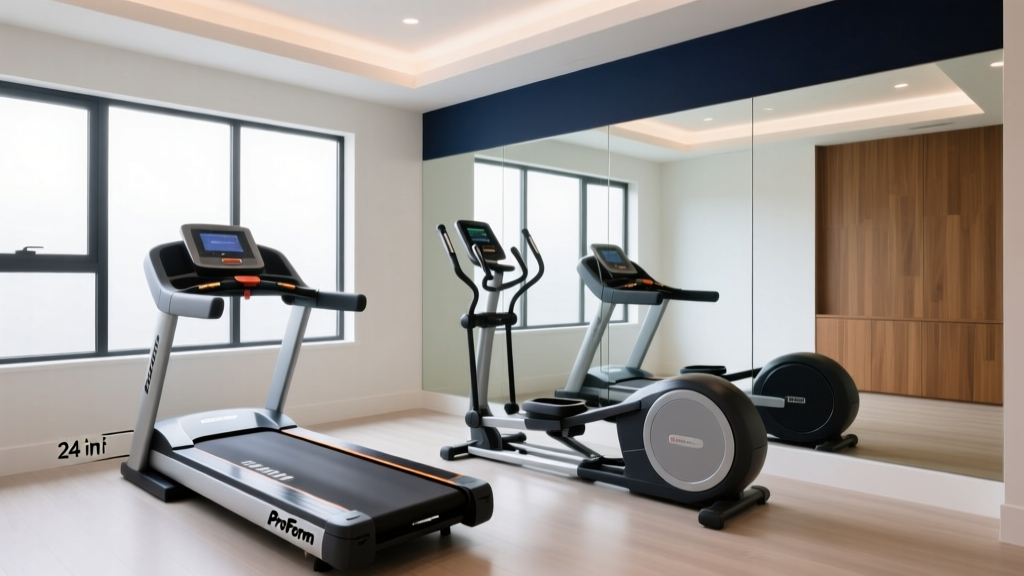
ProForm Performance 300i Treadmill vs Elliptical Maintenance Guide
Compare elliptical vs treadmill longevity with our ProForm Performance 300i treadmill maintenance guide. Learn care tips, costs, and failure modes.

The Core Debate: Friction vs. Pivot Mechanics
When deciding between an elliptical and a treadmill for home cardio, most buyers focus on calorie burn, joint impact, or digital features. However, from a long-term ownership perspective, the most critical differentiator is mechanical longevity and maintenance overhead. Treadmills rely on high-friction, continuous-load mechanics, while ellipticals utilize closed-loop pivot bearings and rail systems. To illustrate this, we will use the ProForm Performance 300i treadmill—a popular budget-friendly model with a 2.0 CHP motor—as our baseline for treadmill upkeep, comparing it against a similarly priced front-drive elliptical.
According to reliability data from Consumer Reports, treadmills consistently exhibit higher repair rates over a five-year period compared to ellipticals, primarily due to belt friction, motor strain, and electronic dust ingress. Understanding these failure modes is essential for maximizing the lifespan of your investment.
⚠️ Critical Lubrication Warning: Never use WD-40, household oils, or petroleum-based sprays on your treadmill belt. These degrade the PVC belt and destroy the deck's factory wax coating. Always use 100% pure liquid silicone designed specifically for fitness equipment.ProForm Performance 300i Treadmill: Longevity & Care Protocol
The ProForm Performance 300i treadmill is engineered for walking and light jogging, featuring an 18-by-55-inch running surface and a 250-pound user weight capacity. Because the 2.0 CHP motor operates near its maximum threshold during sustained running, mitigating kinetic resistance is the single most important maintenance task you can perform.
1. Belt Tension and Deck Lubrication
Friction between the tread belt and the wooden deck generates immense heat. If the belt is too tight, the motor draws excess amperage, eventually frying the lower control board. If it is too loose, you will experience slipping, which strips the drive roller pulley.
- The Lift Test: With the machine off, lift the belt from the center of the deck. It should raise exactly 2 to 3 inches. If it lifts higher, tighten the rear roller bolts by a quarter-turn using an Allen wrench.
- Silicone Application: Every 150 miles or 3 months, apply 1 ounce of 100% silicone lubricant in a zigzag pattern under the belt. Run the machine at 2.0 MPH for 3 minutes to distribute the fluid evenly.
2. Motor Hood and Dust Mitigation
Treadmill motors act as vacuums, pulling pet hair, dust, and carpet fibers through the cooling vents. This debris wraps around the motor fan and insulates the windings, leading to thermal shutdowns. Every 90 days, unplug the ProForm Performance 300i, remove the three Phillips-head screws on the front motor hood, and use a shop-vac with a brush attachment to clear the chassis. Pay special attention to the area between the motor and the drive roller, where rubber dust from the belt accumulates.
The Elliptical Counterpart: Rail and Bearing Upkeep
Unlike the ProForm Performance 300i treadmill, an elliptical machine eliminates the high-friction belt-and-deck system. Instead, it relies on polyurethane wheels gliding along aluminum or steel rails, and sealed bearings at the pedal arms and crank. The Mayo Clinic notes that ellipticals provide a low-impact cardiovascular workout, but mechanically, they shift the wear-and-tear from a sliding surface to rotational pivot points.
Rail Cleaning and Wheel Degradation
The most common maintenance complaint with ellipticals is the accumulation of black, greasy dust on the rails. This is caused by the microscopic shedding of the polyurethane guide wheels mixed with household dust. If left uncleaned, this abrasive paste pits the aluminum rails, causing a grinding noise and eventual wheel flat-spotting.
- Weekly Wipe-Down: Use a damp microfiber cloth with a mild, non-ammonia glass cleaner to wipe the rails after every 3-4 workouts.
- Wheel Inspection: Every 6 months, inspect the guide wheels for flat spots. If the machine develops a rhythmic thumping sound, the wheels must be replaced (typically a $40-$60 parts order).
Pivot Point Greasing
While most modern ellipticals feature sealed bearings that require no lubrication, the clevis pins and suspension joints connecting the pedal arms to the uprights can develop play. Apply a small dab of white lithium grease to these lateral pivot points annually to prevent metal-on-metal squeaking.
5-Year Cost of Ownership & Failure Matrix
To truly understand the elliptical vs. treadmill debate, we must look at the financial and mechanical realities of long-term ownership. Below is a comparative failure matrix based on average home use (3 hours per week) for budget-tier machines like the ProForm Performance 300i treadmill and equivalent front-drive ellipticals.
| Component | Treadmill (ProForm 300i) | Elliptical (Front-Drive) | Preventative Action |
|---|---|---|---|
| Friction Surface | Belt delamination, deck warping ($120-$180 replacement) | Rail pitting, wheel flat-spotting ($45 replacement) | Silicone lube (Treadmill) vs. Rail wiping (Elliptical) |
| Drive System | Motor overheating, control board short ($250+ repair) | Drive belt stretching, crank bearing wear ($60-$90) | Vacuum motor hood vs. check tension bolts |
| Electronics | Console sweat damage, reed switch failure ($80) | Console sweat damage, sensor misalignment ($75) | Use sweat guards, avoid spraying cleaners directly on screens |
| Estimated 5-Yr Upkeep Cost | $180 - $350 | $40 - $120 | Ellipticals inherently cost less to maintain |
Environmental Degradation: What Kills Home Cardio Gear?
Where you place your machine dictates its lifespan just as much as how you maintain it. The American Council on Exercise (ACE) emphasizes that environmental factors are leading contributors to premature equipment failure in home gyms.
Carpet vs. Hardwood Flooring
Placing a treadmill like the ProForm Performance 300i directly on thick carpet restricts airflow to the motor compartment and acts as an insulator, raising the operating temperature by up to 15%. Furthermore, carpet fibers are easily sucked into the motor hood. Always use a high-density PVC equipment mat (at least 3/16-inch thick) to create a thermal barrier and block fiber ingress.
Humidity and Sweat Corrosion
Ellipticals are highly susceptible to sweat corrosion on the handlebars and console masts. The salts in human sweat rapidly oxidize painted steel and degrade plastic console covers. Wipe down all contact points with a lightly damp cloth after use. Never use bleach or ammonia-based cleaners, as these will micro-fracture the ABS plastic consoles and strip the powder-coated paint on the frame.
Final Verdict: Which Demands Less Maintenance?
If your primary goal is a low-maintenance, high-longevity cardio investment, the elliptical is the clear winner. Because it lacks a high-friction sliding belt and a continuously taxed drive motor, the mechanical wear points are vastly reduced. An elliptical can easily endure 10 years of home use with nothing more than regular rail wiping and occasional pivot greasing.
However, if you prefer the biomechanics of running and choose a machine like the ProForm Performance 300i treadmill, longevity is entirely within your control. By strictly adhering to a 90-day motor vacuuming schedule, performing the 2-inch belt lift test monthly, and using pure silicone lubricant, you can easily push the lifespan of a budget treadmill well past its warranty period, maximizing every dollar of your home gym investment.
More gear to consider
All reviews
SportsArt Fitness Treadmill Setup: Curved vs Motorized
LiveStrong LS8.0T Treadmill Setup & Walking Pad Comparison

How to Run 8 mph on treadmill: Curved vs Motorized Guide
Beyond the Feier Treadmill: 2026 Stationary Bike Market Trends

Beyond Superfit Treadmill Reviews: Compact Cardio Maintenance