Olympic vs Standard Plates: Can You Use Dumbbells as Parallettes?
Troubleshoot common home gym mistakes. We compare Olympic vs standard plates and answer if you can use dumbbells as parallettes for bodyweight work.

Building a home gym in 2026 often leads to a critical crossroads: do you invest in Olympic-grade equipment or save upfront with standard weight plates? While the secondary market and big-box stores are flooded with budget-friendly standard plates, making the wrong choice can severely limit your progressive overload, ruin your lifting mechanics, and create dangerous troubleshooting scenarios down the line.
This guide serves as your ultimate troubleshooting matrix for weight plate types. We will dissect the mechanical failures of standard plates, explain the physics of barbell whip, and answer a highly debated bodyweight training question: can you use dumbbells as parallettes when your equipment is limited?
The Core Troubleshooting Matrix: Olympic vs. Standard Plates
Before addressing specific mistakes, we must establish the baseline dimensional and load-bearing differences between the two primary plate categories. According to comprehensive equipment databases like ExRx.net, the dimensional discrepancies go far beyond just the center hole.
| Feature | Standard Plates (1-inch) | Olympic Plates (2-inch) |
|---|---|---|
| Center Hole Diameter | 1 inch (25.4 mm) | 2 inches (50.8 mm) |
| 45lb Plate Diameter | Varies (Typically 14" - 15") | 17.7 inches (450 mm IWF Standard) |
| Max Barbell Load Capacity | 200 - 250 lbs (before plastic deformation) | 500 - 1,000+ lbs (depending on bar tensile strength) |
| Average Cost Per Pound (2026) | $1.20 - $1.60 / lb | $2.00 - $4.50 / lb (Iron vs. Bumper) |
| Sleeve Rotation Mechanism | None (Solid steel, fixed sleeves) | Bushing or Bearing (Allows independent rotation) |
Mistake #1: Ignoring the Deadlift Clearance Problem
The most common troubleshooting complaint from lifters who bought standard plates is a sudden, unexplained lower back pain during deadlifts. This is not a form issue; it is a geometry issue.
⚠️ Biomechanical Warning: The International Weightlifting Federation (IWF) mandates that 45lb (20kg) Olympic plates must have a diameter of exactly 450mm (17.7 inches). This places the barbell exactly 8.85 inches off the floor, optimizing the human hip hinge. Standard 45lb plates are often only 14 to 15 inches in diameter. This drops the barbell to roughly 7 inches off the floor, forcing you into a deficit deadlift position for every standard pull.If you are using standard plates, you must troubleshoot this by elevating the barbell. Place your standard plates on top of 2-inch thick rubber horse stall mats or wooden blocks to artificially restore the 8.85-inch clearance. Failing to do so will result in chronic lumbar flexion at the start of the pull.
Mistake #2: Barbell Whip and Plastic Deformation
Standard barbells are typically constructed from lower-grade solid steel with a 1-inch shaft. Because the shaft is thin, it lacks the tensile strength to recover from heavy loads. When you exceed 200 lbs on a standard barbell, the bar undergoes plastic deformation—meaning it bends and does not return to its original straight shape.
Conversely, Olympic barbells are engineered with high-tensile steel (often 190k to 215k PSI) and utilize rotating sleeves. As noted in expert reviews by BarBend, the rotating sleeves on Olympic bars are crucial for Olympic weightlifting movements like the snatch and clean, as they prevent the momentum of the spinning plates from tearing the skin off your palms or torquing your wrists. Standard bars lack this entirely, making them strictly for slow, controlled powerlifting movements.
Troubleshooting Bodyweight Crossovers: Can You Use Dumbbells as Parallettes?
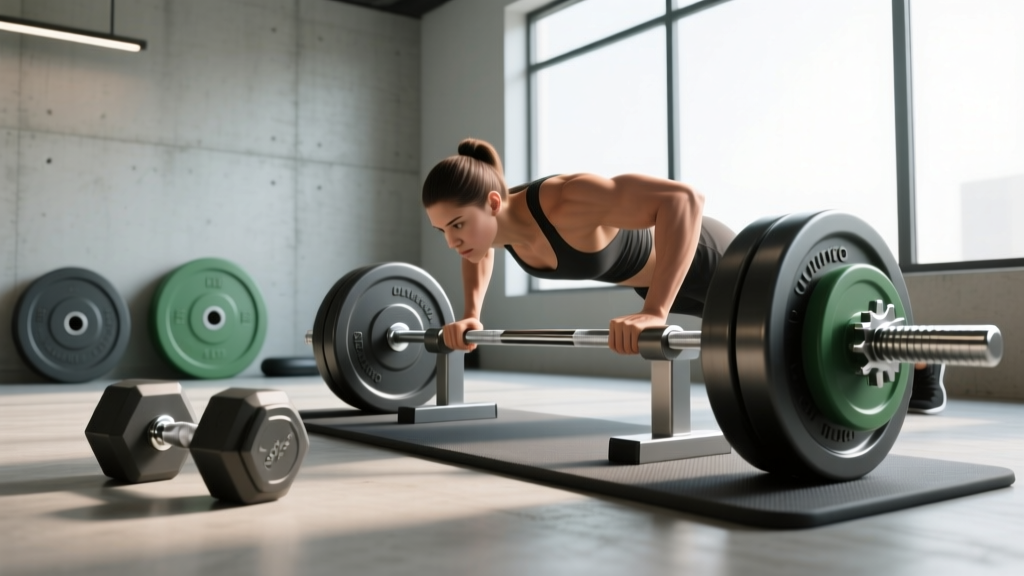
Many home gym owners attempt to hybridize their weightlifting and gymnastics equipment to save space and money. This brings us to a frequent troubleshooting query: can you use dumbbells as parallettes for L-sits, handstands, and planche leans?
The short answer is yes, but with significant biomechanical caveats. Here is the deep-dive troubleshooting breakdown on why this works, and where it fails:
- The Grip Diameter Problem: Standard gymnastics parallettes are built with a 28mm to 32mm handle diameter to optimize the human hand's locking grip. Most rubber hex dumbbells (like the ubiquitous CAP Barbell or Yes4All models) feature handles that are 35mm or thicker. This forces your forearm flexors to work overtime, leading to premature grip failure before your core or triceps reach muscular exhaustion during an L-sit.
- The Footprint and Tipping Hazard: Parallettes have wide, elongated bases designed to handle anterior-posterior weight shifts during planche leans. A 15lb hex dumbbell has a remarkably small footprint. If your center of gravity shifts too far forward during a handstand entry, the dumbbell can tip, resulting in severe wrist sprains.
- The Bumper Plate Alternative: Some athletes ask if they can stand 10lb Olympic bumper plates on their edges to use as makeshift parallettes. Do not do this. As highlighted by safety standards from manufacturers like Rogue Fitness, bumper plates are designed to absorb vertical impact, not lateral rolling forces. A 10lb bumper plate on its edge is essentially a wheel; the moment you apply asymmetric pressure, it will roll out from under you.
Expert Troubleshooting Tip: If you must use dumbbells as parallettes, choose 10lb or 15lb urethane-coated hex dumbbells with the flattest possible heads. Wrap the handles in athletic tape to slightly increase the diameter and absorb sweat, and strictly limit their use to static holds (like L-sits) rather than dynamic transitions (like swings or kips).
Mistake #3: Mixing Cast Iron and Bumper Plates on the Sleeve
A frequent troubleshooting disaster in CrossFit and garage gyms is the 'hybrid sleeve'—loading a 45lb Olympic rubber bumper plate on the inside of the sleeve, and clamping a 45lb cast iron plate on the outside.
The Failure Mode: Bumper plates are designed to compress and deform slightly when dropped from overhead. Cast iron is brittle and does not compress. If the cast iron plate has a slightly wider lip, or if the bumper compresses upon impact, 100% of the dropping force is transferred directly into the cast iron plate. This will cause the cast iron to crack, shatter, or chip, sending metal shrapnel across your gym floor. Always keep like materials together, and if you must mix them, the cast iron must go on the inside closest to the collar, with the bumpers on the outside to act as the primary shock absorbers.
Real-World Cost Analysis: The 'Upgrade Trap'
Many beginners buy standard plates to save money, only to realize a year later they need Olympic equipment for proper deadlifts and barbell cycling. Let us look at the actual math of the 'Upgrade Trap' based on 2026 market pricing for a 300lb plate set:
The Financial Breakdown of Switching
Initial Standard Setup: 300 lbs of standard cast iron ($1.50/lb) = $450. Standard bar = $40. Total: $490.
Resale Value: Standard plates depreciate heavily. Selling on local marketplaces yields roughly $0.75/lb. Recouped: $225.
New Olympic Setup: 300 lbs of Olympic cast iron ($2.20/lb) = $660. Entry-level Olympic bar = $150. Total: $810.
Net Cost to Upgrade: $810 (New) - $225 (Recouped) = $585 out of pocket.
Conclusion: If you had bought Olympic from day one, your initial spend would have been $810. By buying standard first, you spent $490 + $585 = $1,075. Buying standard plates is a tax on the indecisive.
Frequently Asked Questions
Q: Can I drill out the center of my standard plates to fit an Olympic bar?
A: Technically, you can use a 2-inch steel hole saw drill bit to bore out standard cast iron plates. However, this removes structural material from the center hub, drastically increasing the risk of the plate cracking under heavy loads or when dropped. It also voids any manufacturer warranty. It is not recommended.
Q: Are standard plates completely useless?
A: No. Standard plates are excellent for budget-friendly adjustable dumbbell setups, pin-loaded machine conversions, and light rehabilitation work. They are simply inadequate for heavy, compound barbell lifting due to the barbell sleeve limitations and floor clearance issues.
Q: What is the best way to store mixed plate types?
A: Invest in a dual-peg weight tree. Store your Olympic bumpers on the lower, thicker pegs to keep the center of gravity low and prevent the rack from tipping. Store standard plates and dumbbells on the upper, thinner pegs or in dedicated wall-mounted cradles.
More gear to consider
All reviews
Rubber Hex vs Urethane: Space Layouts for Back Day With Dumbbells
Bumper vs Iron: Budgeting an Arm Workout at Home with Dumbbells
Best Adjustable Dumbbells for Single Dumbbell Step Overs 2026

Dumbbell Chest Press Muscles Worked & Budget Storage Rack Breakdown

Neoprene Dumbbells for Home Use: Dumbbell Floor Press for Triceps
