Olympic vs Standard Plates: Heavy Lifts & Dumbbell Belly Exercises
Compare Olympic vs standard weight plates for your 2026 home gym. Learn how your plate choice impacts heavy lifts, budget, and dumbbell belly exercises.

The 2-Inch vs 1-Inch Divide: More Than Just a Hole Size
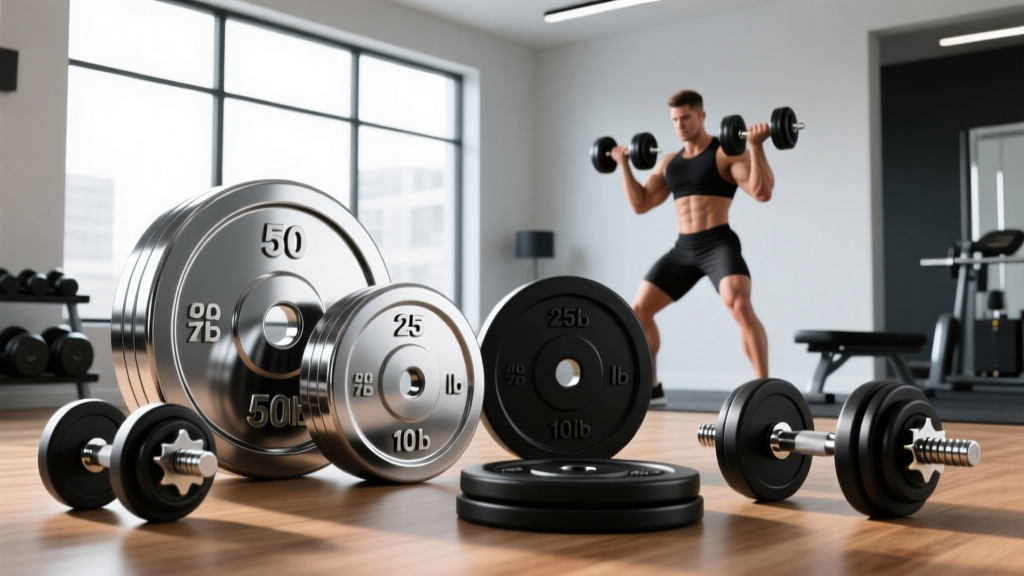
When building or upgrading a home gym in 2026, the most critical fork in the road isn't which brand of power rack to buy, but which weight plate ecosystem to commit to. The choice between Olympic (2-inch center hole) and Standard (1-inch center hole) weight plates dictates not only your heavy compound lifting ceiling but also your accessory storage, floor space, and how you execute isolation movements. While most lifters focus solely on barbell compatibility, an often-overlooked factor is how your plate ecosystem impacts accessory equipment—specifically, the handles you will use for dumbbell belly exercises and core conditioning.
Quick Ecosystem Rule of Thumb: Olympic plates (50mm hole) are the undisputed standard for heavy barbell lifting and commercial durability. Standard plates (25mm hole) are a budget-friendly entry point that doubles as a makeshift dumbbell system for lighter accessory and core work.Head-to-Head Specification Matrix
Before analyzing the biomechanics of core training, we must establish the hard data separating these two plate categories. The following matrix compares a premium Olympic setup (e.g., Rogue Urethane) against a typical Standard cast-iron/vinyl setup (e.g., CAP Barbell).
| Feature | Olympic Plates (2-Inch) | Standard Plates (1-Inch) |
|---|---|---|
| Center Hole Diameter | 50.4mm (Fits 50mm sleeves) | 25.4mm (Fits 1-inch threaded sleeves) |
| Weight Tolerance | +/- 1% to 2% (Calibrated) | +/- 5% to 10% (Uncalibrated) |
| Barbell Capacity | 500 lbs to 1,500+ lbs | 200 lbs to 300 lbs max |
| Plate Diameter (45lb/20kg) | 450mm (Standardized) | Varies wildly (350mm - 420mm) |
| Material Options | Urethane, Virgin Rubber, Bumper | Vinyl-encased concrete, Cast Iron |
The Core Connection: Rigging for Dumbbell Belly Exercises
How does a weight plate comparison affect your abdominal training? The answer lies in handle compatibility. To perform weighted core routines effectively, you need dumbbells. Your plate ecosystem directly determines the type of dumbbells you will use for dumbbell belly exercises.
If you purchase a Standard weight plate set, it almost always includes 1-inch threaded spin-lock dumbbell handles. These handles are relatively short and lightweight when empty (usually around 5 lbs each). This makes them exceptionally well-suited for core work. You can easily load a 5lb or 10lb standard plate onto the handle, secure the star-nut collar, and immediately transition into weighted Russian twists or weighted crunches.
Conversely, if you invest in an Olympic weight plate ecosystem, you face a logistical hurdle. Olympic dumbbell handles exist, but they are massive, bulky, and feature thick 2-inch sleeves that require heavy-duty spring collars. Performing dumbbell belly exercises with Olympic handles is awkward, unbalanced, and potentially dangerous due to the excessive leverage and grip fatigue. Therefore, Olympic lifters are forced to purchase a separate set of adjustable dumbbells (like Nuobell or PowerBlock, costing $350–$500) specifically to handle core and isolation movements.
Top Core Movements and Equipment Pairings
According to core stabilization guidelines outlined by the Mayo Clinic, adding external resistance to core routines increases muscle hypertrophy in the rectus abdominis and obliques. Here is how your plate choice impacts specific movements:
- Weighted Russian Twists: Requires a compact weight. Standard 1-inch spin-lock dumbbells or a single standard plate held by the edges are ideal. Olympic dumbbell handles are too long and will strike the floor during the rotation.
- Dumbbell Pullovers (Core/Serratus Focus): Requires a secure, narrow grip. Adjustable dumbbells (purchased separately if you own Olympic plates) provide the best ergonomic grip. Holding a standard plate by the rim is a secondary option.
- Renegade Rows (Anti-Rotation Core): Requires a stable, flat-bottomed weight. Hex-shaped adjustable dumbbells are mandatory here. Neither standard spin-lock handles nor Olympic handles provide a stable base on the floor for this movement.
2026 Pricing Breakdown and Ecosystem Costs
When budgeting your gym, you must look beyond the cost per pound of the plates themselves and calculate the 'ecosystem cost'—which includes the barbells, racks, and accessory handles required to make the plates useful.
Olympic Ecosystem
Plate Cost: $1.50 - $4.00 per lb (Urethane/Rubber)
Barbell Cost: $250 - $800 (e.g., Rogue Ohio Bar)
Dumbbell Solution: $350+ (Must buy separate adjustable dumbbells for dumbbell belly exercises and isolation work).
Total Entry Cost: High ($800+)
Standard Ecosystem
Plate Cost: $0.80 - $1.50 per lb (Vinyl/Cast Iron)
Barbell Cost: $40 - $120 (Threaded 1-inch bar)
Dumbbell Solution: $0 (Included 1-inch spin-lock handles use the same plates for dumbbell belly exercises).
Total Entry Cost: Low ($150 - $250)
Durability, Failure Modes, and Resale Value
Standard plates and their accompanying 1-inch bars are notorious for specific failure modes. The most common issue is sleeve warping. Because 1-inch bars are typically made from lower-grade steel with thinner diameters, loading them past 200 lbs causes microscopic bending. Once a standard bar bends even a few millimeters, the 1-inch plates will slide on but will not slide off, effectively locking your weights onto the bar permanently.
Furthermore, standard plates encased in vinyl-concrete are prone to cracking if dropped, altering their weight distribution. Olympic plates, particularly those forged from solid cast iron or cast urethane (like the Rogue Urethane Plates), are virtually indestructible in a home gym setting. They also hold their resale value remarkably well. If you decide to upgrade or move, a used set of Olympic plates will typically sell for 70-80% of its retail value on the secondary market, whereas used standard vinyl plates are often given away for free or sold at a massive loss.
"The hidden tax of the Standard plate ecosystem isn't just the lack of durability; it's the ceiling it places on your progress. Once you outgrow the 200 lb limit of a 1-inch barbell, you are forced to sell your entire plate collection at a loss to switch to Olympic. Plan for your 2026 strength goals, not your 2024 starting line."
Space Planning: Heavy Racks and Floor Layouts
Olympic plates feature a standardized 450mm (17.7-inch) diameter for the 45lb/20kg plates. This standardization is critical for safety when performing barbell complexes or setting up for deadlifts, as it ensures the barbell is always exactly 8.75 inches off the floor. Standard plates vary wildly in diameter based on the manufacturer and whether they are made of solid iron or concrete-filled vinyl. This means your barbell height will change depending on which brand of standard plates you load, complicating your setup for rack pulls or floor presses.
Moreover, if you are dedicating floor space for dumbbell belly exercises, Olympic setups require dedicated weight trees or vertical plate storage pegs due to the sheer weight and size of the plates. Standard plates can be stacked in a corner or kept loaded on the dumbbell handles, acting as a space-saving (albeit messy) storage solution in smaller apartment gyms or garages.
Final Verdict: Mapping Your Gym Floor
The decision ultimately hinges on your budget, your ceiling for strength progression, and how you prefer to structure your accessory work.
Choose the Standard (1-Inch) Ecosystem if: You are on a strict sub-$300 budget, you are strictly focused on light-to-moderate toning, and you want the convenience of using the exact same weight plates for your barbell squats and your dumbbell belly exercises without buying extra adjustable dumbbells.
Choose the Olympic (2-Inch) Ecosystem if: You plan to lift heavy (300+ lbs), you care about equipment longevity, resale value, and standardized dimensions. Accept that you will need to allocate an additional $300+ to purchase a high-quality pair of adjustable dumbbells to safely and effectively perform your dumbbell belly exercises and isolation movements. In the long run, the Olympic ecosystem is the only choice that won't bottleneck your fitness journey.
More gear to consider
All reviews
Rubber Hex vs Urethane: Best Picks for Light Dumbbell Shoulder Press

Olympic Barbell Knurling Guide & Lying Overhead Dumbbell Pullover
Upgrade Your Dumbbell Arm Routine: Barbell Weight & Knurl Guide
Power Rack vs Squat Rack: Incline Dumbbell Press Alternative Mistakes

Power Rack vs Squat Rack vs Stand: Hand Weights Dumbbells Mistakes
