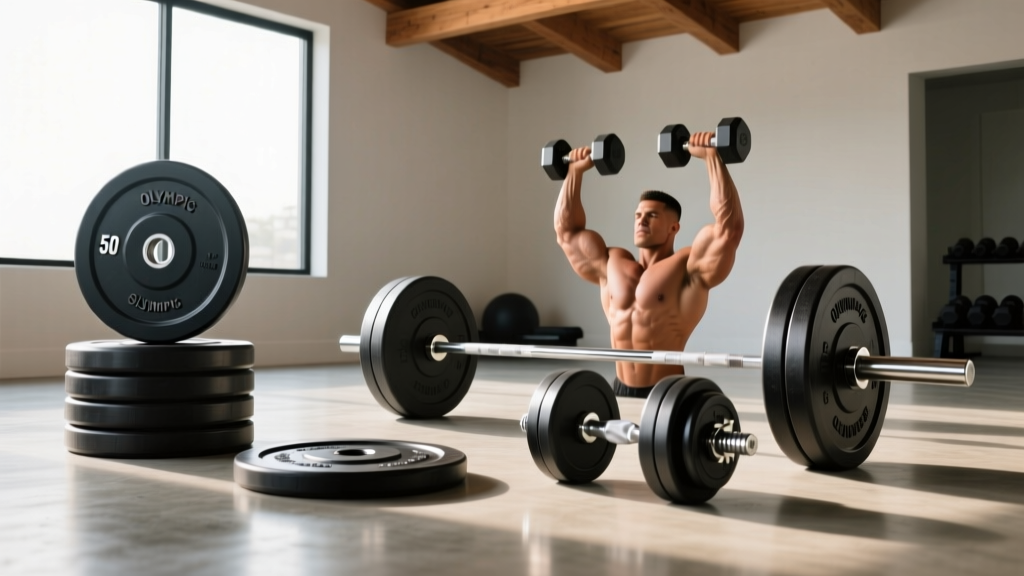
Olympic Barbell Guide: Weight, Knurling & the Dumbbell Plank Row GIF
Explore our Olympic barbell buying guide for weight and knurling. Troubleshoot common equipment mistakes and move beyond the basic dumbbell plank row GIF.

The Stabilization Foundation: Beyond the Dumbbell Plank Row GIF
If you have ever found yourself endlessly scrolling to find the perfect dumbbell plank row gif to master your anti-rotational core mechanics, you are not alone. The dumbbell plank row (often called the renegade row) is a staple unilateral exercise. According to ExRx.net's biomechanical breakdown of the dumbbell renegade row, this movement demands intense core stabilization, lat engagement, and shoulder packing to prevent the hips from rotating under load.
However, a common troubleshooting scenario arises when lifters graduate from dumbbell stabilization work to heavy bilateral barbell movements like the Pendlay row, bent-over barbell row, or Olympic weightlifting variations. Lifters frequently blame their lower back endurance or core strength when a barbell row fails prematurely. In reality, the culprit is often a severe equipment mismatch. As of 2026, the market is flooded with specialized Olympic barbells, and choosing a bar with the wrong weight tolerance, aggressive knurling, or incorrect shaft diameter will instantly sabotage the grip and stabilizer strength you built with dumbbells.
This troubleshooting guide serves as your definitive Olympic barbell buying guide, focusing on weight tolerances and knurling profiles to ensure your equipment supports your progression rather than hindering it.
Troubleshooting Mistake #1: Misunderstanding Olympic Barbell Weight Tolerances
The most pervasive myth in the home gym community is that every standard Olympic barbell weighs exactly 45 pounds. When lifters transition from tracked dumbbell weights to barbell work, this misconception leads to inaccurate progressive overload calculations and stalled strength gains.
A true men's Olympic weightlifting bar is calibrated to 20 kilograms (44.09 pounds), while a women's Olympic bar is 15 kilograms (33.06 pounds). Furthermore, the tolerance—the allowable margin of error in manufacturing—varies wildly between budget and premium brands.
| Barbell Category | Target Weight | Standard Tolerance | IWF Certified Tolerance | Common Use Case |
|---|---|---|---|---|
| Men's Olympic Bar | 20 kg (44.09 lbs) | +/- 1% (approx. 7 oz) | +/- 10 grams | Snatch, Clean & Jerk, Heavy Rows |
| Women's Olympic Bar | 15 kg (33.06 lbs) | +/- 1% (approx. 5 oz) | +/- 10 grams | Technical Work, High-Volume Rows |
| Powerlifting Bar | 20 kg (44.09 lbs) | +/- 0.5% (approx. 3.5 oz) | N/A (IPF Specs) | Squat, Bench, Deadlift, Pendlay Row |
| Technique Bar | 5 kg - 10 kg (11-22 lbs) | +/- 2% | N/A | Form Correction, Rehab, Youth |
Troubleshooting Mistake #2: Knurling Aggressiveness and Grip Tear-Outs
When you perform a dumbbell plank row, the handle is typically smooth or lightly textured, allowing you to focus on the anti-rotational core brace without your skin tearing. When you move to a barbell, the knurling becomes your primary point of force transfer. Choosing the wrong knurl profile is the number one reason lifters abandon high-volume barbell rowing programs due to torn calluses and grip fatigue.
The Three Primary Knurl Profiles
- Mountain Knurl: Sharp, prominent peaks that dig deeply into the dermis. Found on dedicated powerlifting bars like the Texas Power Bar. Troubleshooting: Do not use this for high-rep Olympic lifts or dynamic barbell rows. It will tear your hands within a few sets of Pendlay rows.
- Hill Knurl: Smooth, rounded peaks with shallow valleys. Found on elite Olympic weightlifting bars like those detailed in Eleiko's IWF-certified Olympic weightlifting bar guidelines. Troubleshooting: While great for snatches, a hill knurl may feel too slippery for heavy, sweaty barbell rows, causing you to over-grip and fatigue your forearms prematurely.
- Volcano Knurl: The gold standard for hybrid training. The machine cuts a sharp ring (the crater rim) but leaves a small divot in the center. This provides immense grip surface area without the sharp peak that causes tearing. The REP Fitness AB-4100 and Rogue Ohio Bar utilize this profile.
Troubleshooting Mistake #3: Ignoring Shaft Diameter and Bar 'Whip'
The transition from dumbbells to barbells requires a recalibration of your grip. Dumbbell handles are generally thick and static. Olympic barbells vary in shaft diameter and flex (whip), which drastically alters how the bar feels during a rowing motion.
Shaft Diameter Quick-Reference Guide
28mm (Olympic Weightlifting): Maximizes hook grip comfort and allows for high bar whip. Excellent for dynamic movements, but can feel slightly unstable during heavy, strict bent-over rows if you lack grip strength.
28.5mm (Hybrid/Multi-Purpose): The perfect middle ground. Provides enough rigidity for heavy rows and squats while remaining comfortable for Olympic lifts. Highly recommended for home gym owners doing a mix of plank row variations and heavy barbell work.
29mm (Powerlifting): Maximizes rigidity and grip security. Zero whip. Ideal for heavy Pendlay rows and deadlifts, but will cause hand pain if used for high-rep snatches or cleans.
The 'Whip' Factor: Whip refers to the oscillation of the barbell at the ends of the sleeves when the bar is loaded and moved dynamically. If you are performing explosive barbell rows to mimic the stabilization demands of your dumbbell plank row, a bar with too much whip (like a dedicated women's WL bar loaded with heavy plates) will bounce at the top of the movement, forcing your lats and rear delts to work overtime to stabilize the load. For strict rowing, a stiffer hybrid or power bar is vastly superior.
2026 Buyer's Matrix: Matching the Bar to the Lifter
To eliminate the guesswork, here is a troubleshooting matrix based on real-world 2026 pricing and specifications to help you select the correct barbell for your specific training style.
| Barbell Model | Knurl Type | Shaft / Tensile | Best For... | Approx. 2026 Price |
|---|---|---|---|---|
| Rogue Ohio Bar | Volcano (Dual Marks) | 28.5mm / 190k PSI | Hybrid lifters; heavy rows + occasional Olympic work | $245.00 |
| REP Fitness AB-4100 | Deep Volcano | 28.5mm / 215k PSI | Aggressive grip seekers; Pendlay rows & powerbuilding | $229.00 |
| Kabuki New Gen Power Bar | Mountain (Aggressive) | 29mm / 250k PSI | Strict powerlifting; heavy static rows (no whip) | $329.00+ |
| Eleiko Olympic WL Bar | Hill (Smooth) | 28mm / 215k PSI | Dedicated Olympic weightlifters; skin preservation | $1,050.00+ |
FAQ: Bridging Dumbbells and Barbells
Q: Should I completely stop doing dumbbell plank rows once I buy an Olympic barbell?
A: No. Unilateral dumbbell work remains critical for identifying and fixing left-to-right strength imbalances that a barbell will naturally mask. Use the barbell for maximum bilateral load and central nervous system adaptation, but keep dumbbell rows in your accessory blocks.
Q: Does center knurling matter for barbell rows?
A: Center knurling is designed to grip the back of your shirt during heavy front and back squats. If you are doing strict bent-over rows, the center knurl will not impact your grip. However, if you plan to bench press with the same bar, a passive or completely smooth center knurl is preferred to prevent scratching your chest and back.
Final Troubleshooting Verdict
Upgrading your home gym is about more than just accumulating iron; it is about matching the tool to the biomechanical demand. By understanding the nuances of Olympic barbell weight tolerances, shaft diameters, and knurling profiles, you can seamlessly transition from the anti-rotational mastery of the dumbbell plank row to the raw, bilateral power of heavy barbell training. Stop blaming your programming for grip failures and stalled rows—audit your equipment, choose the right knurl for your hands, and let the iron do the work.
More gear to consider
All reviews
Smart Dumbbell Rack Storage to Fuel Your Dumbbell Workout for Runners

Clean and Press Dumbbells & Kettlebells: Cast Iron vs Competition Care

Neoprene Dumbbells for Women's Arm Workouts: 2026 Guide

2026 Rack Trends: Storage and One-Arm Dumbbell Row Muscles Worked
Barbell Collar Types Comparison & Dumbbell Shoulder Row