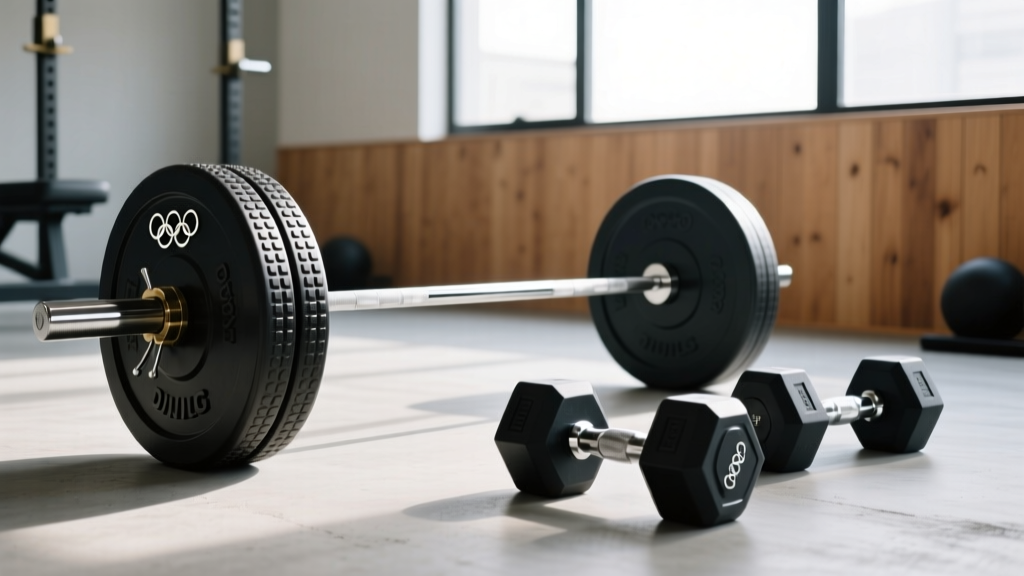
Olympic Barbell Knurling Guide: Bench vs. Incline Pec Fly Dumbbell
Compare Olympic barbell weight and knurling specs for heavy presses versus the isolation of an incline pec fly dumbbell routine in our 2026 buying guide.

The Biomechanical Divide: Heavy Iron vs. Targeted Isolation
Building a complete, armor-plated chest requires navigating two distinct biomechanical pathways: raw mechanical tension and stretch-mediated hypertrophy. In the modern 2026 garage gym, this translates to a head-to-head equipment showdown between the heavy compound barbell bench press and the highly targeted incline pec fly dumbbell movement. While adjustable dumbbells and specialized isolation machines dominate the accessory space, your foundational strength is built on the Olympic barbell.
However, not all barbells are created equal. The connection between your hands and the steel—dictated by barbell weight, whip, and knurling profile—fundamentally alters your force output. According to biomechanical analyses featured in EXRX's exercise directory, the incline dumbbell fly isolates the clavicular head of the pectoralis major through a deep eccentric stretch, whereas the barbell press relies on systemic neurological drive and triceps lockout. To maximize both, you need an Olympic barbell that doesn't slip during heavy 5-rep maxes, paired with a dumbbell strategy that exploits the muscle's lengthened position.
Decoding Olympic Barbell Weight and Metallurgy
When evaluating an Olympic barbell buying guide, 'weight' refers to more than just the 20kg (44 lbs) or 15kg (33 lbs) starting mass. It encompasses tensile strength, yield strength, and shaft diameter—all of which dictate how the bar behaves under load.
Tensile vs. Yield Strength
- Tensile Strength (PSI): The breaking point of the steel. A premium multipurpose bar should boast a minimum of 190,000 PSI, while dedicated powerlifting bars push past 215,000 PSI to prevent permanent deformation under 500+ lb loads.
- Yield Strength: The point at which the bar bends and fails to return to its original straightness. High-carbon spring steel ensures the bar 'whips' back without taking a permanent set.
Shaft Diameter and Whip
For heavy bench pressing, a 29mm shaft is the gold standard. It fills the palm, reducing grip fatigue and providing a rigid platform for pressing. Conversely, 28.5mm shafts (standard on weightlifting bars) offer more 'whip', which is desirable for the clean and jerk but can feel unstable during a heavy incline bench press where you need absolute rigidity before transitioning to your incline pec fly dumbbell accessory work.
Knurling Profiles: The Grip That Dictates the Lift
Knurling is the crosshatched pattern machined into the steel shaft. As detailed in BarBend's comprehensive knurling guide, the depth and geometry of these cuts determine whether a bar feels like sandpaper or a smooth pipe.
Expert Callout: The Finish MattersA bar's knurling bite is heavily influenced by its finish. Bare steel and black oxide offer the most aggressive bite but require weekly oiling to prevent rust. Zinc and Cerakote (a ceramic-polymer coating popular in 2026) slightly fill in the knurl valleys, offering a smoother feel with vastly superior corrosion resistance. Stainless steel provides the perfect middle ground: bare-steel grip with zero rust.
The Big Three Knurl Geometries
- Volcano Knurling: Pioneered by Rogue, this profile features a rimmed peak that grips the skin without piercing it. It is the undisputed king of multipurpose bars.
- Mountain Knurling: Characterized by sharp, aggressive peaks. Ideal for heavy, low-rep powerlifting where chalk and skin tearing are acceptable trade-offs for zero slip.
- Hill Knurling: Smooth, rounded peaks. Often found on budget bars or dedicated deadlift bars where a gentle grip is preferred for high-volume pulling.
Head-to-Head Comparison: Rogue Ohio Bar vs. Rep Fitness PR-1100
To anchor our Olympic barbell buying guide, we are putting two of the most popular 20kg multipurpose bars head-to-head. Both serve as exceptional anchors for a chest day that culminates in high-rep dumbbell isolation.
| Feature | Rogue Ohio Bar (Cerakote) | Rep Fitness PR-1100 |
|---|---|---|
| Tensile Strength | 190,000 PSI | 190,000 PSI |
| Shaft Diameter | 28.5mm | 28.5mm |
| Knurl Profile | Volcano (Moderate/Aggressive) | Mountain (Highly Aggressive) |
| Center Knurl | No | Yes (Passive) |
| Finish Options | Cerakote / Stainless / Zinc | Hard Chrome / Black Zinc |
| Approx. Price (2026) | $295 - $345 | $239 - $279 |
The Verdict: The Rogue Ohio Bar wins on finish longevity and the refined bite of its volcano knurl, making it perfect for lifters who transition rapidly from heavy barbell pressing to high-rep dumbbell work without wanting torn calluses. The Rep PR-1100 is the budget king, but its mountain knurl and passive center knurl make it feel more like a dedicated power bar, which can be abrasive during high-volume hypertrophy blocks.
Programming Synergy: Pairing Your Barbell with the Incline Pec Fly Dumbbell
Once you have selected a barbell with the appropriate 29mm (or stiff 28.5mm) shaft and a volcano knurl for secure grip, you must program it correctly alongside your isolation movements. The barbell builds the central nervous system's capacity to recruit high-threshold motor units; the dumbbell fly stretches the muscle fascia and drives blood into the tissue.
"To maximize stretch-mediated hypertrophy in the upper chest, pair a heavy 5-rep max barbell incline press with a 12-15 rep incline pec fly dumbbell superset. Use a 3-second eccentric descent on the flys to exploit the muscle's most vulnerable, lengthened position."
The 2026 Hypertrophy Superset Protocol
- A1. Barbell Incline Bench Press (30-degree angle): 4 sets of 5-8 reps. Focus on driving through the feet and utilizing the bar's knurl to maintain a locked-in, chalk-free grip. Rest 90 seconds.
- A2. Incline Pec Fly Dumbbell (Adjustable Dumbbells, 35-50 lbs): 3 sets of 12-15 reps. Keep a slight bend in the elbow, focusing on pulling the dumbbells together using the pectorals, not the anterior deltoids. Rest 60 seconds.
Final Thoughts on Equipment Selection
Your garage gym is an ecosystem. The Olympic barbell you choose dictates the safety and efficiency of your heaviest compound lifts, while your adjustable dumbbells handle the nuanced isolation work. By prioritizing a barbell with a minimum of 190k PSI tensile strength and a refined volcano knurl, you ensure that your grip never becomes the limiting factor on bench day. When you subsequently pick up your dumbbells for the incline pec fly, your hands will be fresh, your CNS will be primed, and your chest development will reflect the perfect marriage of heavy iron and targeted isolation.
More gear to consider
All reviews
Dumbbell Routines at Home: Troubleshooting Neoprene Weight Mistakes

Olympic Barbell Guide: Beyond the Basic Dumbbell Back Routine
EZ Curl Bar vs Straight Bar for Your Quick Dumbbell Workout Space

Close Grip Dumbbell Press: 2026 Adjustable Dumbbell Setup
Best Budget Dumbbell Racks for Standing Dumbbell Rows in 2026
