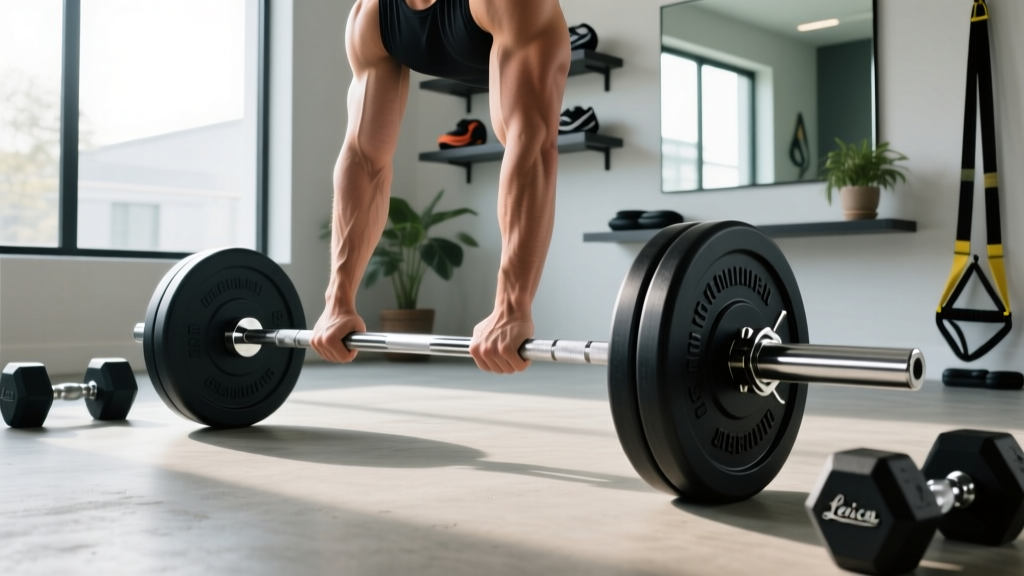
Olympic Barbell Guide: Weight, Knurling & Forearms Workout Dumbbells
Master our Olympic barbell buying guide covering weight, knurling types, and how proper bar grip translates to better forearms workout dumbbells routines.

Stepping into the free weights section of a fitness store or browsing online in 2026 can feel like learning a new language. Between tensile strength ratings, bushing types, and aggressive knurl patterns, choosing your first Olympic barbell is a major decision. But here is a secret most beginners miss: your barbell is only as effective as your grip. If you cannot hold onto the bar, you cannot build your back or legs. That is exactly why understanding barbell weight, knurling, and supplementary grip training—often searched as a forearms workout dumbbells routine—is critical for your long-term progress.
Step 1: Demystifying Olympic Barbell Weight Standards
Before you look at the grip texture, you must understand the foundational weight and dimension standards of Olympic barbells. Unlike standard 1-inch barbells found in budget department stores, Olympic barbells feature 2-inch (50mm) rotating sleeves designed to hold calibrated or bumper plates.
The Men's Olympic Barbell
- Weight: 20 kg (44 lbs)
- Length: 2200 mm (7.2 feet)
- Shaft Diameter: 28 mm to 29 mm
The Women's Olympic Barbell
- Weight: 15 kg (33 lbs)
- Length: 2010 mm (6.6 feet)
- Shaft Diameter: 25 mm (Crucial for smaller hand sizes and grip efficiency)
Step 2: Decode the Knurling (Your Grip's Best Friend)
Knurling is the cross-hatched pattern machined into the steel shaft. It is not just for aesthetics; it is a precision-engineered friction surface. According to equipment standards outlined by manufacturers like Rogue Fitness, the geometry of the knurl dictates how the bar feels in your hands.
The Three Main Knurl Types
- Hill (Passive): The peaks of the knurl are rounded off. It feels smooth and is ideal for high-rep conditioning or beginners with sensitive skin.
- Volcano (Moderate/Aggressive): The peaks are flattened, creating a 'crater' effect with sharp edges inside. This provides maximum surface area and class='callout-box' style='background:#fff3cd; padding:15px; border-left:4px solid #ffc107; margin:20px 0;'>
Information Gain: Knurl depth matters. A depth of 0.020 inches is considered passive, while 0.030 inches or deeper will tear your calluses if you do not maintain your hand skin.
Step 3: Match the Barbell to Your Lifting Style
Use this comparison matrix to select the right barbell based on your primary training modality.
Training Style Ideal Knurl Type Shaft Diameter Center Knurl? Estimated 2026 Price Range Powerlifting (Squat/Bench/Deadlift) Aggressive Mountain 29 mm Yes (for back squats) $300 - $450 Olympic Weightlifting Moderate Volcano 25 mm - 28 mm No $250 - $350 General Fitness / CrossFit Passive Hill / Light Volcano 28 mm No (usually) $200 - $300 Step 4: Bridge the Grip Gap with a Forearms Workout Dumbbells Routine
Here is the hard truth: your back and legs will always be stronger than your grip. When you deadlift 315 lbs, your lats and glutes might have 5 more reps in the tank, but your fingers start to unpeel from the bar. To fix this bottleneck without overloading your central nervous system with endless heavy deadlifts, you must isolate the flexor digitorum and brachioradialis muscles. This is where a dedicated forearms workout dumbbells protocol becomes your secret weapon.