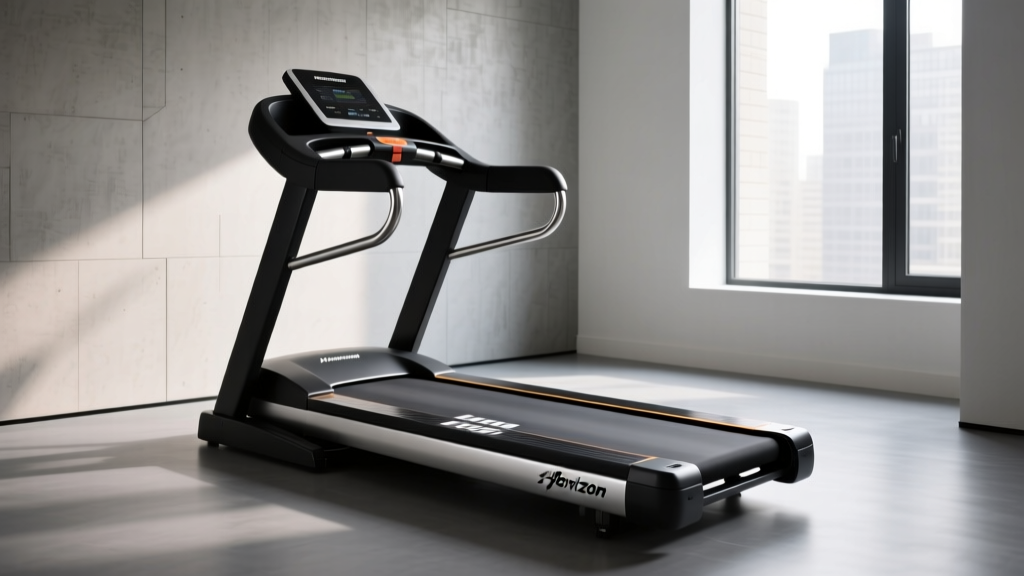
NordicTrack Treadmill 2.6 CHP Belt Lubrication & Care
Master NordicTrack treadmill 2.6 CHP belt maintenance. Learn exact lubrication steps, tension adjustments, and motor-saving tips to extend lifespan.

Owning a NordicTrack treadmill equipped with a 2.6 Continuous Horsepower (CHP) motor—commonly found in popular mid-tier models like the T-Series (e.g., T 6.5 S, T 7.5 S) and select C-Series machines—offers an excellent balance of performance and space efficiency. However, unlike the massive 4.0+ CHP motors found in commercial gym equipment, a 2.6 CHP motor has a lower thermal mass. This makes it exceptionally sensitive to one critical variable: belt friction. When the running belt and deck are not properly maintained, the resulting friction forces the motor to work harder, spiking the amp draw and ultimately leading to catastrophic motor controller failure or a burnt-out drive motor.
In this comprehensive 2026 maintenance guide, we break down the exact physics of treadmill friction, provide step-by-step belt tensioning protocols, and detail the precise lubrication matrix required to keep your NordicTrack 2.6 CHP treadmill running silently for years.
The Physics of Friction: Protecting Your 2.6 CHP Motor
To understand why belt maintenance is non-negotiable, you must understand how your treadmill's Pulse Width Modulation (PWM) motor controller manages power. The controller monitors the amp draw required to keep the belt moving at your selected speed. According to industry diagnostics from Treadmill Doctor, a properly lubricated and tensioned treadmill belt should draw between 2 to 4 amps at a walking speed of 3.0 MPH, and 4 to 7 amps at a running speed of 6.0 MPH.
Warning: The 15-Amp Circuit LimitMost standard US household circuits are rated for 15 amps. If your belt is dry or over-tightened, the amp draw can spike to 12-16 amps just to maintain walking speed. This will either trip your home's thermal circuit breaker or cause the treadmill's internal motor controller to overheat and permanently short out—a repair that typically costs between $180 and $250 in parts alone.
By maintaining a microscopic layer of 100% silicone between the PVC-backed running belt and the phenolic-coated wooden deck, you reduce the coefficient of friction, keeping the amp draw safely within the 2.6 CHP motor's optimal efficiency curve.
Step-by-Step Belt Tension and Alignment Protocol
Before applying any lubricant, you must verify that the belt is correctly tensioned. An over-tightened belt puts immense lateral strain on the motor shaft bearings, while a loose belt will slip underfoot, creating a dangerous 'jerking' sensation.
The 'Lift Test' Measurement
- Turn off the treadmill and unplug it from the wall.
- Stand on the side foot rails (not the belt).
- Reach down to the exact center of the running belt (horizontally and vertically) and lift it away from the deck.
- The Specification: The belt should lift exactly 2 to 3 inches off the deck. If it lifts higher than 3 inches, it is too loose. If you cannot lift it at least 2 inches, it is over-tightened and starving the motor.
Adjusting the Rear Roller
If adjustment is needed, locate the two idler bolt caps at the very rear of the treadmill. You will typically need a 5/16-inch or 8mm Allen wrench (depending on your specific NordicTrack manufacturing year).
- To Tighten: Turn both the left and right bolts clockwise by exactly one-quarter (1/4) turn.
- To Loosen: Turn both bolts counter-clockwise by one-quarter turn.
- CRITICAL RULE: Never adjust one side more than the other. Unequal adjustments will cause the belt to track off-center and shred the edge against the side rail.
The Lubrication Matrix: What, When, and How
NordicTrack explicitly requires the use of 100% pure silicone lubricant. Using petroleum-based products, household oils, or aerosol sprays like WD-40 will chemically degrade the urethane backing of the belt and strip the wax/phenolic coating off the deck, voiding your warranty.
| Lubricant Type | Composition | Application Frequency | 2026 Avg. Cost |
|---|---|---|---|
| Liquid Silicone (Recommended) | 100% Silicone Oil | Every 130 miles or 3 months | $12 - $18 (4oz) |
| Silicone Gel / Paste | Silicone + Thickener | Every 150 miles or 4 months | $15 - $22 (Tube) |
| Spray Silicone | Silicone + Propellants | NOT RECOMMENDED | N/A |
The Application Procedure
- Loosen the belt slightly using the rear roller bolts so you can easily slide your hand underneath.
- Lift the edge of the belt and apply a continuous zig-zag line of liquid silicone across the width of the deck, using about 0.5 to 1 ounce of fluid.
- Repeat on the opposite side.
- Re-tension the belt to the 2-3 inch lift specification.
- Plug the machine in, turn it on, and run it at 2.0 MPH for 3 minutes. Walk on it gently to help distribute the silicone evenly across the entire deck surface.
Diagnostic Troubleshooting: Motor and Belt Symptoms
Even with routine care, specific mechanical edge cases can arise. Here is how to diagnose the most common issues affecting 2.6 CHP NordicTrack models.
Symptom 1: The 'Jerking' Sensation at 3 MPH
The Cause: This is almost always a belt tension issue, not a motor issue. If the belt is too loose, the front drive roller will spin, but the belt will momentarily catch and release as your foot strikes it.
The Fix: Perform the lift test and tighten the rear roller bolts by 1/4 turn on both sides until the slipping stops. Do not over-tighten.
Symptom 2: Thermal Breaker Trips After 20 Minutes
The Cause: The motor is overheating due to excessive friction (dry belt) or a worn deck. As the phenolic coating on the MDF deck wears away, bare wood creates massive friction, forcing the 2.6 CHP motor to pull maximum amperage until the thermal safety switch trips.
The Fix: First, lubricate the belt. If the tripping continues, perform the 'white dust' test (detailed below) to check for deck failure.
Symptom 3: Burning Rubber Smell
The Cause: A misaligned belt rubbing against the plastic side rails, or a failing front drive roller bearing.
The Fix: Check the tracking. If the belt is centered, inspect the front roller caps for melted plastic or listen for a grinding noise indicating a seized bearing.
Deck Wear and Replacement Economics
No amount of silicone will save a deck that has reached the end of its physical lifespan. According to Consumer Reports equipment longevity studies, a standard home-use treadmill deck lasts between 5 to 8 years, heavily dependent on user weight and maintenance frequency.
The White Dust Test: Slide your hand under the belt and rub the surface of the deck. If your fingers come away coated in a fine, powdery white dust, the phenolic resin coating has completely worn through to the MDF wood core. The deck is now destroying your running belt from the inside out and must be replaced immediately.
2026 Replacement Costs:
If your deck fails, you must replace the belt simultaneously; installing a new belt on a grooved, worn deck will ruin the new belt in less than a month. As of 2026, an OEM NordicTrack replacement belt costs between $75 and $95, while a replacement phenolic deck ranges from $140 to $190, depending on the exact model dimensions. Always consult the official NordicTrack support portal with your specific model serial number to ensure you order the correct belt length and width, as a 2.6 CHP T-Series belt will differ slightly in dimensions from a C-Series belt.
Final Longevity Directives
Protecting your NordicTrack 2.6 CHP treadmill is fundamentally about managing heat and friction. By adhering to a strict 130-mile liquid silicone lubrication schedule, verifying the 2-to-3-inch tension lift monthly, and keeping the machine on a dedicated 15-amp circuit, you will easily push your machine past the 10-year mark. Treat the belt and deck as a single, interconnected friction system, and your motor will reward you with years of silent, reliable operation.
More gear to consider
All reviews
Upgrade From a Sears Treadmill: Rowing Machine Guide
Precor Treadmill Manual Costs vs. Small Space Folders
Automatic Treadmill vs Walking Pad: 2026 Head-to-Head

Motorless Treadmill vs Walking Pad: Step-by-Step Guide

Folding Treadmill Review: Before You Donate Your Treadmill