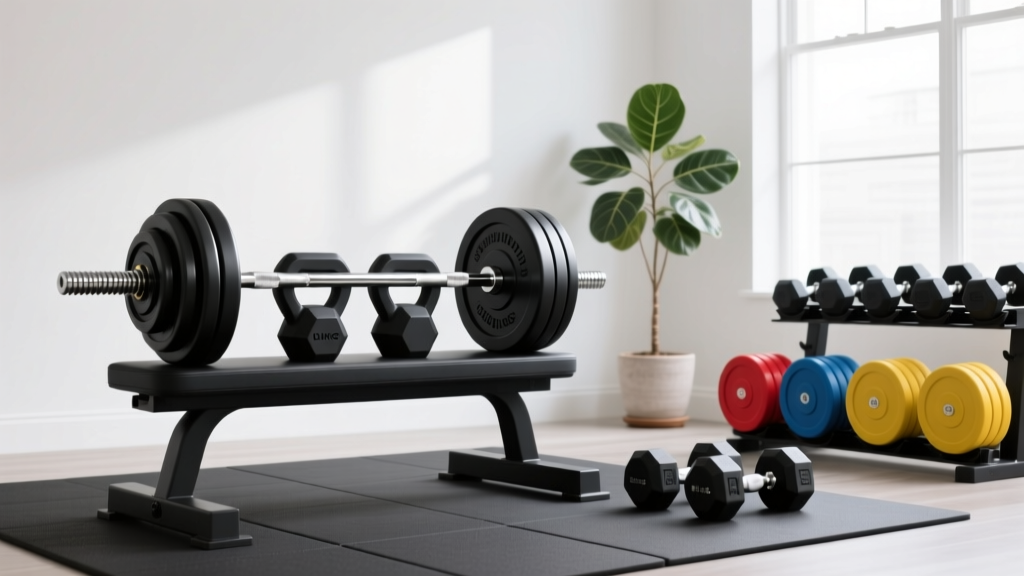
Best Neoprene Dumbbells for the Incline Dumbbell Curl (2026)
Discover the best neoprene dumbbells for home use and learn how to optimize your incline dumbbell curl for maximum bicep growth and grip comfort in 2026.

The Biomechanics of the Incline Dumbbell Curl: Why Grip and Coating Matter
The incline dumbbell curl is a staple isolation movement designed to target the long head of the biceps brachii. By sitting back on an incline bench (typically set between 45 and 60 degrees), you place the shoulder in extension. According to ExRx.net's biomechanical breakdown, this stretched position forces the long head of the biceps to work harder from the very bottom of the movement, promoting stretch-mediated hypertrophy. However, the effectiveness of this exercise relies heavily on your grip and the equipment you use.
When selecting dumbbells for home use, neoprene-coated fixed weights are incredibly popular due to their affordability, floor-friendly nature, and aesthetic appeal. Yet, a critical and often overlooked factor is how the neoprene coating affects the handle diameter. A standard Olympic or premium urethane dumbbell handle measures roughly 28mm to 32mm in diameter. Neoprene coatings, which are essentially a synthetic rubber sleeve molded over a cast-iron core, frequently push the handle thickness to 35mm or even 40mm on heavier models. This increased girth demands more from your forearm flexors, which can lead to premature grip fatigue before your biceps reach true muscular failure during an incline curl.
The Neoprene Dilemma: Are Coated Dumbbells Right for Bicep Hypertrophy?
To determine if neoprene dumbbells are the right tool for your incline dumbbell curls, we must weigh their practical home-gym benefits against their biomechanical drawbacks. In 2026, manufacturing standards for neoprene have improved, reducing the notorious 'chemical off-gassing' odor that plagued cheaper models a decade ago. However, the physical properties of the material still dictate how they perform.
Expert Insight: The Grip-Fatigue Bottleneck
Because the incline curl requires you to keep your elbows pointed down and slightly behind your torso, the lever arm is long. If your neoprene dumbbell handle is too thick, your forearm muscles will exhaust during the eccentric (lowering) phase. If you find your fingers uncurling at the bottom of the stretch, the neoprene coating is likely the culprit, not your bicep strength.
Pros and Cons of Neoprene for Isolation Curls
- Pros: Hexagonal heads prevent rolling off the incline bench's seat or the floor; the textured coating provides a secure grip even when sweating; highly affordable for building a foundational home gym set ($1.20 to $2.00 per pound in 2026).
- Cons: Thicker handles limit peak bicep contraction; fixed weights require buying multiple pairs for progressive overload; the neoprene seam at the handle joint is a common failure point that can cause blisters if it splits.
2026 Neoprene Dumbbell Comparison Matrix
Not all neoprene coatings are created equal. Below is a comparison of the top fixed-weight neoprene dumbbells available for home gyms, specifically evaluated on their suitability for high-rep isolation work like the incline curl.
| Brand & Model | Weight Range | Avg. Price/lb (2026) | Handle Diameter | Coating Durability | Best For |
|---|---|---|---|---|---|
| Yes4All Neoprene Hex | 5 - 50 lbs | $1.60 | 32mm - 36mm | High (Tight seam molding) | Overall Home Gym & Curls |
| Amazon Basics Neoprene | 5 - 20 lbs | $1.85 | 34mm - 38mm | Medium (Prone to seam splitting >15lbs) | Beginners & Rehab |
| BalanceFrom GoFit | 5 - 40 lbs | $1.50 | 35mm - 40mm | Medium-High (Thick coat, bulky grip) | Aerobics & Light Conditioning |
| Tone Fitness Hex | 10 - 30 lbs | $1.40 | 38mm - 42mm | Low-Medium (Slick finish when sweaty) | Budget Buyers |
Top Neoprene Dumbbell Picks for the Incline Curl
1. Yes4All Neoprene Coated Hex Dumbbells (Best Overall)
Yes4All remains the gold standard for budget-friendly home gym equipment. Their neoprene molding process results in a tighter seam where the handle meets the iron core. For the incline dumbbell curl, this is crucial; a rough seam rubbing against the webbing of your thumb during a slow eccentric phase will ruin your set. The handle diameter on the 15lb to 25lb pairs stays around 33mm, which is remarkably close to a standard bare-steel dumbbell, allowing for optimal bicep engagement without excessive forearm strain.
2. Amazon Basics Neoprene Dumbbells (Best for Light Warm-ups)
While excellent for general fitness, the Amazon Basics line features a slightly thicker, more padded neoprene wrap. This makes them fantastic for lighter warm-up sets of incline curls (e.g., 5lb to 10lb pairs) to drive blood into the elbow joint and biceps tendon before moving to heavier, uncoated adjustable dumbbells. However, avoid their heavier pairs for strict isolation work, as the handle girth becomes unwieldy.
Execution Guide: Maximizing Hypertrophy with Fixed Neoprene Weights
Because neoprene dumbbells are fixed-weight and generally cap out at affordable levels around 25-30 lbs per hand for the average consumer, you will eventually hit a ceiling where you can perform more than 20 reps of incline curls. The National Strength and Conditioning Association (NSCA) notes that while higher rep ranges can induce hypertrophy, they require training close to muscular failure. To achieve this with lighter neoprene dumbbells, you must manipulate tempo and leverage.
The 4-1-2 Tempo Protocol
- The Setup: Set your adjustable bench to a 45-degree angle. Sit back, let your arms hang straight down, and allow the neoprene dumbbells to pull your shoulders into a deep stretch. Supinate your wrists (palms facing forward).
- The Concentric (2 Seconds): Curl the weight up. Focus on dragging the dumbbell toward your shoulder rather than swinging it out in an arc. The textured neoprene grip should prevent any slipping in the palm.
- The Isometric Hold (1 Second): Squeeze the bicep hard at the top. Do not let the dumbbell rest on your shoulder; keep tension on the muscle.
- The Eccentric (4 Seconds): Lower the weight slowly. This is where the magic happens. The stretch-mediated hypertrophy stimulus is highest here. Fight gravity for a full four seconds until your arm is completely straight.
Maintenance and Failure Modes of Neoprene Coatings
To protect your investment and your hands, you must understand how neoprene degrades. Unlike urethane, which is virtually impervious to environmental factors, neoprene is susceptible to UV degradation and lipid breakdown from human sweat and sebum.
Warning: Chemical CleanersNever use bleach, Lysol, or harsh degreasers on your neoprene dumbbells. These chemicals break down the synthetic rubber polymers, causing the coating to become sticky, peel, and eventually expose the raw cast iron underneath, which will rapidly rust. Instead, wipe them down after every use with a microfiber cloth dampened with a mild dish soap and water solution.
Another common failure mode is 'handle spin'. In lower-tier neoprene dumbbells, the iron core is not adequately contoured before the rubber is molded. Over time, the neoprene sleeve can loosen, causing the handle to spin independently of the weight head. During an incline dumbbell curl, a spinning handle forces your forearm stabilizers to work overtime, ruining the mind-muscle connection. If your dumbbells begin to spin, it is time to retire them from isolation exercises.
When to Ditch Neoprene: The Progressive Overload Ceiling
Neoprene dumbbells are an excellent entry point for home gyms, offering a safe, quiet, and affordable way to learn the incline dumbbell curl. However, they are not a forever solution for bicep development. Once you can comfortably perform 3 sets of 15 reps with a 25lb neoprene dumbbell using the strict 4-1-2 tempo outlined above, you have outgrown the equipment.
At this stage, the cost of buying the next tier of fixed neoprene weights (30 lbs, 35 lbs, 40 lbs) becomes economically inefficient, often exceeding $2.00 per pound. Furthermore, the handle thickness on 40lb+ neoprene dumbbells is simply too large for optimal curling mechanics. For long-term hypertrophy, reinvest your budget into a high-quality adjustable dumbbell set (like the Bowflex SelectTech 552 or PowerBlock Elite) or raw cast-iron hex dumbbells. These alternatives offer the thinner, 28mm-32mm handles required to isolate the biceps fully without the forearm bottleneck, ensuring your incline dumbbell curls continue to yield results for years to come.
Frequently Asked Questions
Can I do incline curls on the floor if I don't have a bench?
While you can lie on the floor, you lose the shoulder extension required to stretch the long head of the biceps. A better alternative if you lack an incline bench is the behind-the-back cable curl or a seated drag curl, which mimic some of the biomechanical advantages without requiring specialized furniture.
Why do my wrists hurt during incline dumbbell curls?
Wrist pain during this exercise is usually caused by allowing the wrist to extend (bend backward) at the bottom of the movement. Keep your wrist stacked neutrally over your forearm. The slightly thicker grip of neoprene dumbbells can actually help enforce this neutral wrist position by filling the palm more completely than a thin steel bar.
How do I clean sweat off neoprene without ruining the grip?
Use a 50/50 mix of white vinegar and water in a spray bottle. Lightly mist the dumbbell and wipe with a dry towel. The mild acidity neutralizes the alkaline salts in sweat that cause the rubber to degrade, without stripping the factory texture of the neoprene.
More gear to consider
All reviews
How to Work Out Biceps Without Dumbbells: Urethane vs Hex 2026
Adjustable Dumbbells: Troubleshooting Dumbbell Bench Standards
Space-Saving Dumbbell Set Up: Loadable Handles & Plates
Rubber Hex vs Urethane: Which Aids Dumbbell Bicep Curl Form Best?

Top Loadable Handles for the Tricep Press with Dumbbell Exercises