
Powering My Gym at Home: Electrical Safety Mistakes
Avoid dangerous electrical mistakes when setting up my gym at home. Learn circuit limits, grounding, and safety troubleshooting.

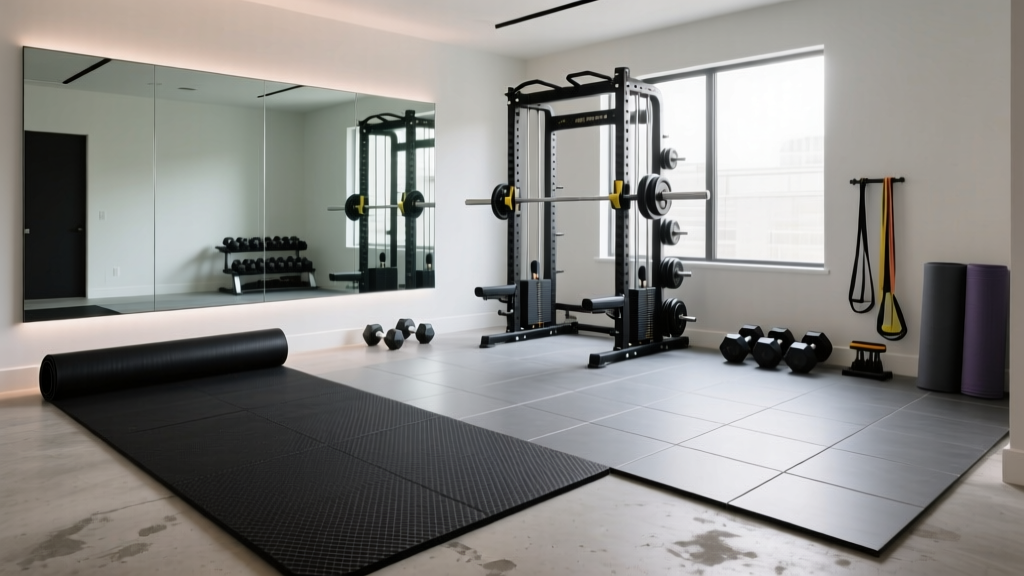
Building the ultimate workout space is a milestone for any fitness enthusiast. However, when designing my gym at home, most people obsess over squat rack clearances, mirror placements, and rubber flooring thickness while completely ignoring the invisible lifeblood of modern fitness equipment: electricity.
In 2026, home fitness gear is more power-hungry than ever. Interactive treadmills, smart rowers, and climate control systems demand serious juice. Overlooking electrical and safety requirements doesn't just lead to annoying tripped breakers mid-sprint; it creates severe fire hazards. According to the National Fire Protection Association (NFPA), electrical distribution and lighting equipment are consistently among the leading causes of home structure fires.
Let's break down the most common electrical mistakes home gym builders make, the safety codes you must follow, and how to troubleshoot power issues without risking your gear or your property.
The 15-Amp vs. 20-Amp Circuit Dilemma
The most frequent mistake in home gym planning is assuming all wall outlets are created equal. Standard residential bedrooms and living areas are typically wired with 15-amp circuits using 14 AWG (American Wire Gauge) copper wire. However, heavy motorized fitness equipment requires a 20-amp circuit wired with thicker 12 AWG copper.
When a motorized treadmill starts up, it experiences inrush current—a momentary spike in power draw that can exceed its continuous running wattage by 30% to 50%. If your treadmill is plugged into a shared 15-amp lighting circuit, that startup surge will instantly trip the breaker.
Equipment Power Draw Matrix
| Equipment Type | Model Example | Peak Wattage | Amp Draw (120V) | Circuit Requirement |
|---|---|---|---|---|
| Interactive Treadmill | NordicTrack Commercial X32i | 1800W - 2200W | 15A - 18.3A | Dedicated 20-Amp |
| Smart Rower | Concept2 RowErg w/ PM5 | 50W | < 1A | Standard 15-Amp |
| Mini-Split HVAC | Pioneer 12,000 BTU | 1500W (Startup) | N/A (220V) | Dedicated 240V/15A |
| Space Heater | De'Longhi Dragon4 | 1500W | 12.5A | Dedicated 15-Amp |
Never plug a surge protector into an extension cord, or chain multiple power strips together to reach your equipment. The Electrical Safety Foundation International (ESFI) explicitly warns that this practice bypasses overcurrent protection, melting wire insulation long before the breaker trips. If your outlet doesn't reach your gear, hire an electrician to install a new receptacle; do not use a 50-foot extension cord.
Grounding, Sweat, and the GFCI Nuance
If you are building a gym in a garage, basement, or shed, the National Electrical Code (NEC) mandates the use of GFCI (Ground Fault Circuit Interrupter) outlets. GFCIs monitor the balance of electrical current and trip within milliseconds if they detect a leak to the ground—preventing lethal shocks in damp environments.
The Treadmill Static Electricity Problem
Here is a non-obvious troubleshooting insight that drives many home gym owners crazy: treadmills frequently trip GFCI outlets falsely. This isn't always because the machine is defective. As the treadmill belt rubs against the deck, it generates significant static electricity. If the belt is poorly lubricated or the humidity in the room is low, that static discharge can trick the GFCI sensor into thinking there is a ground fault.
The Fix:
- Lubricate the belt: Use 100% silicone treadmill lubricant every 3 months to reduce friction and static buildup.
- Check the grounding pin: Ensure the outlet's third prong is properly bonded to the home's grounding rod. An 'isolated ground' receptacle (often orange-colored) installed by a licensed electrician can provide a clean path for static dissipation without nuisance tripping.
- Humidity control: Keep garage gym humidity above 35% using a dehumidifier to naturally dissipate static charges in the air.
HVAC and the 240-Volt Subpanel Reality
Working out in a sweltering garage or a stifling basement is miserable. Most serious home gym builders eventually install a ductless mini-split air conditioner, like the Mitsubishi Mr. Slim or Pioneer systems. These units require a 208-230V dedicated line.
The mistake? Trying to wire a 240V mini-split into a standard 120V lighting junction box, or overloading an existing subpanel. If your garage already has a 60-amp subpanel powering your lights, freezer, and workbench outlets, adding a 20-amp 240V HVAC draw might max out your capacity, especially during the summer when the compressor works hardest.
Expert Tip: Before purchasing a mini-split, open your subpanel and calculate the existing continuous load. If your subpanel is at 80% capacity, you will need to upgrade to a 100-amp subpanel. In 2026, expect to pay between $95 and $160 per hour for a licensed electrician, with subpanel upgrades averaging $1,500 to $2,500 depending on conduit runs and local permitting.
Step-by-Step: Troubleshooting a Tripped Breaker Mid-Workout
When the power dies in the middle of a Peloton ride or a heavy lifting session, don't just flip the breaker back on and hope for the best. Follow this diagnostic flow to identify the root cause.
- Isolate the Draw: Unplug everything on the affected circuit. This includes the treadmill, the TV, the fan, and the phone charger.
- Reset the Breaker: Go to your main panel. Push the tripped breaker firmly to the 'OFF' position (it must click), then flip it to 'ON'. If it immediately trips again with nothing plugged in, you have a short circuit in the wall wiring or a faulty breaker. Call an electrician immediately.
- The Process of Elimination: If the breaker holds, plug your equipment back in one by one. Turn on the TV. Turn on the fan. Finally, step on the treadmill and press start.
- Identify the Culprit: If the breaker trips exactly when the treadmill motor engages, you have either exceeded the circuit's ampacity (requiring a dedicated 20A line) or the treadmill's motor control board has a failing capacitor causing massive inrush spikes.
- Inspect the Cord: Check the treadmill's power cord for pinch points. Heavy equipment rolling over a cord can compromise the internal copper strands, creating an arc fault that will trip AFCI/GFCI breakers.
Final Safety Audits for Your Setup
Your home gym should be a sanctuary, not a hazard zone. To ensure your setup is safe, perform an annual electrical audit. Verify that no power strips are daisy-chained, ensure your heavy motorized equipment is on dedicated circuits, and test all GFCI outlets using the built-in 'Test/Reset' buttons to confirm the mechanical springs haven't failed.
Investing $400 to $800 to have an electrician pull a dedicated 20-amp circuit for your primary cardio machine is a fraction of the cost of replacing a $3,000 treadmill fried by a power surge—or worse, dealing with property damage from an electrical fire. Plan your power layout before you lay your flooring, and your workouts will remain safe, uninterrupted, and focused on your gains.
More gear to consider
All reviews
Weatherproof 10x10 Home Gym Layout: Outdoor Guide

Budget Mirror & Lighting Guide for Folding Home Gyms

Marcy Multifunction Steel Home Gym 150lb Weight Stack Machine Setup

Build Home Gym: Best Mirrors & Lighting Compared (2026)
Home Gym Construction: Rubber Rolls vs. Tiles Compared
