
Massage Gun Prostate Risks: Safe Pelvic Recovery Tools Compared
Exploring the massage gun prostate trend? Discover why percussive therapy is unsafe for the perineum and compare the best pelvic floor recovery tools.

Yes, a prostate massager injury can occur when internal devices or external percussion massage guns are used incorrectly on the pelvic region. Excessive vibration, improper insertion depth, or high-impact percussive force can cause mucosal tears, prostate inflammation (prostatitis), or pelvic floor nerve compression. This guide is for men managing benign prostatic hyperplasia (BPH), chronic pelvic pain syndrome (CPPS), or those exploring pelvic floor physical therapy tools who need to avoid tissue damage and safely integrate devices into their recovery routines.
- Internal prostate massagers and external massage guns carry distinct injury risks, including mucosal tearing and deep tissue bruising.
- Limit internal sessions to 15 minutes and avoid percussion devices directly on the perineum.
- Consult a urologist or pelvic floor physical therapist if you experience sharp pain, numbness, or urinary changes after tool use.
The Risks of Prostate Massager and Pelvic Tool Injuries
Mechanical trauma to the prostate and surrounding pelvic floor muscles typically stems from three factors: excessive depth, high-frequency vibration, and blunt percussive force. The Urology Care Foundation warns that aggressive manipulation of the prostate can trigger acute prostatitis or exacerbate existing lower urinary tract symptoms.
Key Anatomical Definitions
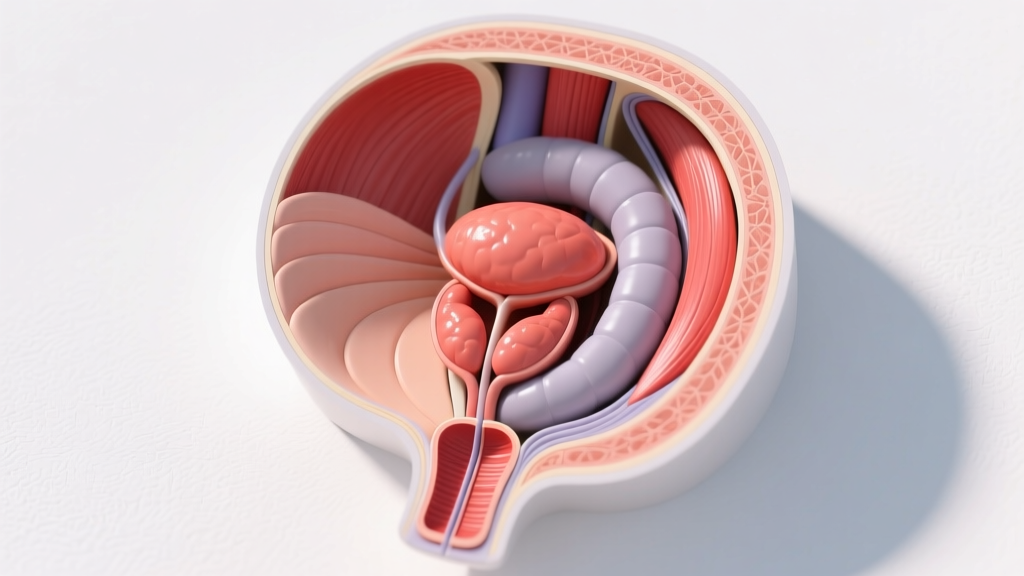
Prostate Gland: A walnut-sized male reproductive organ located just below the bladder that produces seminal fluid. It surrounds the urethra and is highly sensitive to direct mechanical pressure, making it vulnerable to high-frequency vibration and internal trauma.
Percussive Therapy: A treatment method utilizing rapid, concentrated bursts of pressure, often exceeding 3200 percussions per minute, to manipulate muscle tissue. While effective for large skeletal muscles, applying this force to the delicate pelvic floor risks deep tissue bruising and nerve compression.
Symptoms of Prostate and Pelvic Floor Trauma
Identifying a prostate massager injury requires monitoring for both immediate and delayed physical responses. If you experience any of the following symptoms after using a pelvic tool, discontinue use immediately:
- Sharp or Radiating Pain: Localized pain in the perineum, testicles, or lower back indicates potential nerve compression or muscle spasm.
- Urinary Changes: Difficulty initiating urination, increased frequency, or blood in the urine (hematuria) suggests urethral or prostatic tissue damage.
- Numbness: Loss of sensation in the saddle area (buttocks and inner thighs) is a red flag for pudendal nerve irritation.
- Erectile Dysfunction: Sudden onset of erectile difficulties can result from vascular or nerve trauma in the pelvic floor.
According to guidelines from the American Urological Association, persistent pelvic pain lasting beyond 14 days requires clinical evaluation to rule out chronic pelvic pain syndrome (CPPS) or structural damage.
Massage Guns vs. Internal Massagers: Safety Comparison
Not all pelvic tools carry the same risk profile. Below is a safety comparison matrix to help you select the appropriate device for your specific condition.
| Tool Type | Primary Use Case | Injury Risk Level | Safe Frequency Threshold |
|---|---|---|---|
| Percussion Massage Gun | External glute and hip flexor release | High (if used on perineum) | Avoid direct perineal contact |
| Internal Prostate Massager | Prostatic fluid drainage, BPH symptom relief | Moderate (mucosal tears) | Maximum 60 Hz vibration |
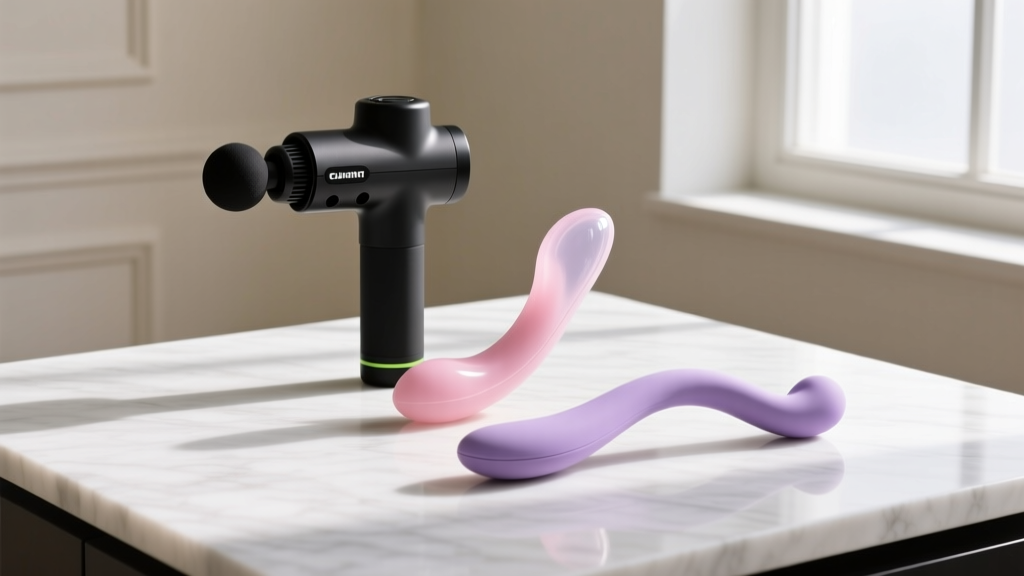
| Curved Pelvic Wand | Myofascial trigger point release (CPPS) | Low (when used correctly) | Static pressure only (no vibration) |
How to Use Pelvic Tools Safely
To prevent a prostate massager injury, adhere to strict operational limits. Internal tissues lack the protective fat and fascia found in external skeletal muscles, requiring a highly conservative approach to mechanical stimulation.
Pre-Use Safety Checklist
- Verify Depth Limits: Never insert any device beyond 2.5 inches without direct supervision from a pelvic floor physical therapist.
- Apply Medical-Grade Lubricant: Use a generous amount of water-based lubricant to prevent rectal mucosal micro-tears.
- Set Time Limits: Restrict internal vibration or static pressure sessions to a maximum of 15 minutes to prevent localized ischemia (restricted blood flow).
- Monitor Device Temperature: Ensure motorized devices do not overheat, as internal tissues are highly susceptible to thermal burns.
External Massage Gun Protocols
If using a percussion massage gun for pelvic pain, never apply the device directly to the perineum or the genitalia. Instead, target the surrounding supportive musculature, such as the gluteus maximus, piriformis, and hip adductors. Use a soft foam attachment head and keep the device speed below 1800 percussions per minute to prevent rebound nerve trauma.
Frequently Asked Questions
Can a massage gun damage the prostate?
Yes. Applying a high-impact percussion massage gun directly to the perineum can transmit blunt force trauma through the pelvic floor muscles to the prostate gland. This can cause micro-hemorrhages, acute inflammation, and exacerbation of chronic prostatitis. Always use massage guns only on large, external skeletal muscles surrounding the pelvis.
What are the side effects of daily prostate massage?
Daily internal prostate massage can lead to tissue desensitization, chronic mucosal irritation, and an increased risk of introducing bacteria into the prostatic ducts, potentially triggering bacterial prostatitis. Medical professionals generally recommend limiting therapeutic prostatic massage to two or three sessions per week.
How do I know if my pelvic wand is causing an injury?
If you experience sharp, shooting pain during insertion, lingering soreness that lasts more than 24 hours, or new urinary hesitancy, your pelvic wand is likely applying too much pressure to a trigger point or compressing the pudendal nerve. Reduce the pressure and consult a physical therapist.
Conclusion and Next Steps
While pelvic tools and prostate massagers offer legitimate therapeutic benefits for conditions like CPPS and BPH, a prostate massager injury is a distinct risk when devices are used without anatomical awareness or proper time limits. The delicate nature of prostatic and pelvic floor tissues demands strict adherence to depth, frequency, and duration guidelines. If you are currently experiencing pelvic pain or urinary changes after using a massage gun or internal massager, your immediate next step is to cease all device use and schedule a clinical evaluation with a certified pelvic floor physical therapist or a board-certified urologist to assess for tissue trauma.
More gear to consider
All reviews
Josh Allen Massage Gun: Percussion vs. Vibration Therapy
DDVWU Massage Gun vs Premium Brands: 2026 Buying Guide

Massage Gun for Quads vs Stretching Tools: 2026 Buyer's Guide

Does a Massage Gun Help With Muscle Soreness? 2026 Guide & Fixes
Ekrin Athletics Kestrel Massage Gun vs. Pro Rivals (2026)
