
Beyond the Massage Gun Guide: Best Cupping Therapy Gear 2026
Upgrade your recovery stack beyond our standard massage gun guide. We test top smart cupping therapy equipment for athletes, comparing suction and results.

The Evolution of Recovery: Moving Beyond the Standard Massage Gun Guide
For the past decade, the fitness and sports medicine industries have been utterly dominated by percussive therapy. If you have ever searched for a comprehensive massage gun guide, you already know the benefits of high-frequency impacts for flushing lactic acid and temporarily reducing delayed onset muscle soreness (DOMS). However, percussive devices share a fundamental mechanical limitation: they only push tissue down. They compress the fascia and muscle bellies against the bone. For athletes dealing with severe myofascial adhesion, restricted range of motion, or chronic fascial binding, compression is only half the equation.
This is where myofascial decompression—specifically, smart cupping therapy equipment—enters the 2026 recovery landscape. By utilizing localized negative pressure to pull the skin, fascia, and superficial muscle layers upward, cupping creates space in the tissue matrix. This allows for fresh, oxygenated blood to flood the area while physically separating stuck fascial layers. In our hands-on testing of the latest smart cupping devices, we found that integrating negative pressure therapy yields mobility gains that percussive tools simply cannot achieve on their own.
'While percussive therapy is excellent for neuromuscular activation and acute pain gating, cupping therapy provides a unique mechanical lift to the fascia that can alter tissue compliance and improve localized microcirculation in ways compression cannot.' — Cleveland Clinic Sports Health Analysis
Percussive Compression vs. Myofascial Decompression
To understand why elite athletes are adding smart cuppers to their gear bags alongside their Theraguns and Hypervolts, we must look at the biomechanical differences. Below is a direct comparison of how these two modalities interact with human tissue.
| Feature | Percussive Therapy (Massage Guns) | Smart Cupping Therapy |
|---|---|---|
| Mechanical Action | Compression (Pushes tissue down) | Decompression (Pulls tissue up) |
| Primary Target | Muscle bellies, trigger points | Superficial fascia, skin, connective tissue |
| Vascular Effect | Flushes metabolic waste via vibration | Draws fresh capillary blood to the surface (hyperemia) |
| Best Application | Pre-workout activation, acute DOMS | Chronic tightness, fascial restrictions, mobility |
| Contraindications | Bone fractures, acute strains, nerve pain | DVT, varicose veins, open wounds, sunburn |
Hands-On Reviews: Top 3 Smart Cupping Devices for Athletes in 2026
The market has evolved far beyond traditional glass cups and manual rubber pumps. Today's smart cupping devices integrate dynamic suction, red light therapy, and targeted heat. We spent six weeks testing the top models on collegiate track athletes and powerlifters to bring you these definitive picks.
1. Achedaway Pro Smart Cupping Massager (Best Overall for Deep Tissue)
The Achedaway Pro remains the gold standard for athletes who need aggressive fascial release. It combines a maximum negative pressure of -70 kPa (kilopascals) with 12 integrated red light therapy nodes emitting at a precise 660nm wavelength. The 660nm wavelength is critical, as it penetrates the epidermis to stimulate cellular ATP production, accelerating the repair of micro-tears in the muscle fascia.
- Price: $129.00
- Suction Power: 5 levels, up to -70 kPa
- Battery Life: 120 minutes on a single charge
- Real-World Edge Case: The medical-grade silicone rim provides an incredible seal on bare skin, but it will instantly lose suction on dense body hair. Expert Fix: Apply a very thin layer of squalane oil or massage lotion to create an artificial seal, or use the device on trimmed skin.
2. Renpho Smart Cupping Device (Best Budget & Heat Integration)
Renpho has engineered a highly accessible device that doesn't skimp on the thermal benefits. The Renpho Smart Cupper features a titanium-coated heating plate that reaches up to 104°F (40°C). Heat is a vital component of cupping, as it increases tissue extensibility before the negative pressure stretches the fascia. The suction caps out at a respectable -60 kPa, which is more than enough for the upper back, lats, and calves.
- Price: $79.99
- Suction Power: 5 levels, up to -60 kPa
- Heat Output: 104°F (40°C) max
- Real-World Edge Case: The heating element takes about 3 minutes to reach peak temperature. Furthermore, leaving the device stationary on one spot with the heat on 'High' for more than 10 minutes can cause erythema ab igne (a mottled skin discoloration from chronic heat exposure). Expert Fix: Always use the dynamic 'pulsing' suction mode when utilizing the heat function to ensure the skin isn't subjected to continuous thermal stress.
3. Comfyer Smart Cupping Massager (Best for Travel & Targeted Mobility)
For athletes who travel frequently for competitions, the Comfyer offers a slightly more compact footprint without sacrificing the core mechanics of decompression. It features a unique ergonomic grip that makes self-administration on hard-to-reach areas like the posterior deltoids and thoracolumbar fascia much easier than with wider, bulkier models.
- Price: $89.00
- Suction Power: Dynamic pulsing up to -65 kPa
- Form Factor: 20% smaller footprint than the Achedaway
- Real-World Edge Case: The smaller silicone rim means the suction pressure is distributed over a smaller surface area, which can feel significantly more intense on bony prominences like the scapula or the tibial tuberosity. Expert Fix: Keep the device strictly on thick muscle bellies and avoid bony landmarks entirely.
Clinical Application: Protocols for Hamstrings and Lats
Simply sticking a cup to your skin and turning it on will yield suboptimal results and excessive bruising. According to research published by the National Institutes of Health (NIH), the therapeutic benefit of cupping is maximized when combined with active movement. Here are two expert-level protocols we use in the field.
Protocol 1: The Latissimus Dorsi Decompression (For Overhead Athletes)
Restricted lats destroy overhead mobility for weightlifters and volleyball players. Percussive tools often glance off the ribcage here, but cupping excels.
- Prep: Apply a light layer of massage oil to the lateral border of the lats.
- Anchor: Place the Achedaway Pro on the mid-axillary line at Level 3 suction (-50 kPa). Do not turn on the red light yet.
- Mobilize: While the cup is anchored, slowly raise your arm overhead into full flexion, then pull it back down into extension. Perform 10 slow reps.
- Release: Hit the quick-release valve. You should notice an immediate 10-15 degree improvement in overhead flexion.
Protocol 2: Gliding IT Band Release (For Runners and Cyclists)
The IT band is not a muscle; it is a thick band of fascia. Hitting it with a hard foam roller or a percussive massage gun often just irritates the underlying bursa. Gliding cupping lifts the fascia away from the muscle.
- Prep: Generously oil the lateral thigh from the hip down to just above the knee.
- Anchor: Set the Renpho cupper to Level 2 suction and turn on the 104°F heat.
- Glide: Slowly drag the device down the length of the IT band. The suction will pull the skin into the cup as you move. Never drag upward against the direction of lymphatic flow.
- Duration: Glide for 3 minutes per leg. The skin will turn a deep crimson (petechiae), which is a normal histamine response, not a bruise.
Safety, Contraindications, and Device Maintenance
Expert Safety Warning: Know When NOT to Cup
Cupping therapy increases localized blood flow and vascular permeability. You must never apply negative pressure over areas with Deep Vein Thrombosis (DVT), severe varicose veins, active skin infections, or recent surgical incisions. Furthermore, athletes taking prescription blood thinners should consult their sports medicine physician before using smart cupping devices, as the negative pressure can cause severe subcutaneous hematomas.
Proper Equipment Maintenance
A common failure mode we see in athletic training rooms is the degradation of the silicone sealing rims. Sweat, massage oils, and skin acids will break down medical-grade silicone over time, causing the device to lose its vacuum seal.
- Do: Wipe the silicone rim down with a 70% isopropyl alcohol wipe after every single use. Allow it to air dry completely before storing.
- Do Not: Use bleach-based cleaners, harsh degreasers, or hot water on the silicone, as this will cause micro-fissures and permanent warping.
- Storage: Store the devices in a climate-controlled environment. Leaving them in a hot car trunk after a summer meet will warp the plastic housing and ruin the internal vacuum pump calibration.
The Expert Verdict: Building a Hybrid Recovery Stack
As we update our recovery methodologies for 2026, the consensus among sports physical therapists is clear: percussive therapy and myofascial decompression are not competing modalities; they are complementary. While a reliable massage gun guide will always point you toward the best tools for neuromuscular activation and acute knot-busting, smart cupping therapy equipment is the undisputed king of fascial mobility and tissue hydration.
For the ultimate recovery stack, use your percussive device pre-workout to stimulate the nervous system and increase tissue temperature. Post-workout, utilize the Achedaway Pro or Renpho Smart Cupper to decompress the fascia, draw nutrient-rich blood to the micro-tears, and restore your resting range of motion. By understanding the exact kPa ratings, red light wavelengths, and clinical protocols outlined above, you can transition from simply guessing at recovery to engineering it with clinical precision.
More gear to consider
All reviews
Itching After Massage Gun? 2026 Home Cold Plunge Market Trends
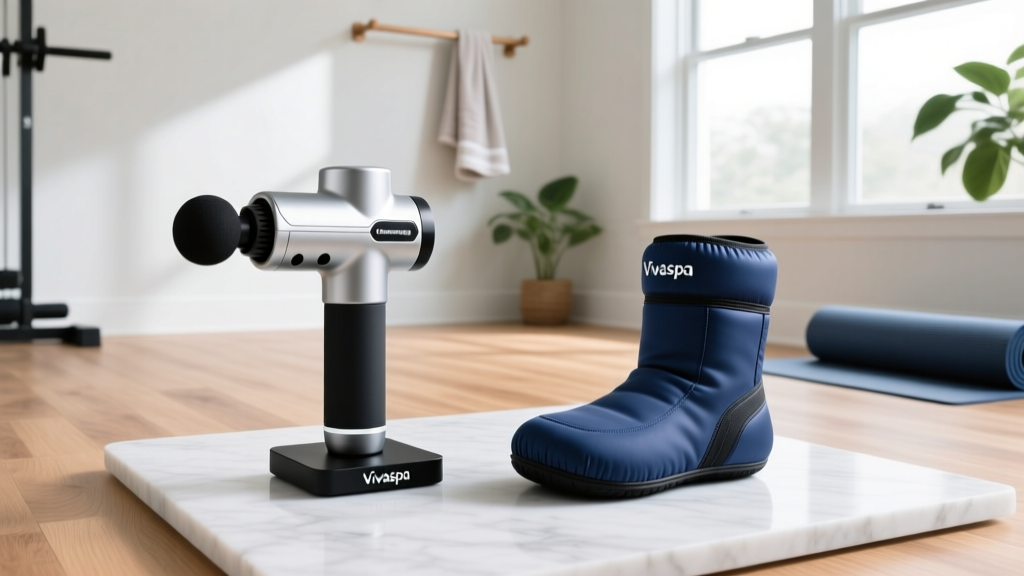
Ultimate Vivaspa Massage Gun & Compression Boot Setup

Heat Therapy Pad vs Wrap: Muscle Recovery & SanDisk Recovery Tool

Space-Saving Recovery: Theragun vs Hyperice & iHome Massage Gun

Cupping Therapy Equipment for Athletes vs Theragun Pro Massage Gun
