
Maintaining Your Decline Leg Press Machine & Cable Attachments
Learn expert maintenance tips for your decline leg press machine and cable leg attachments to ensure smooth operation, safety, and maximum equipment longevity.

The Intersection of Heavy Sleds and Precision Cables
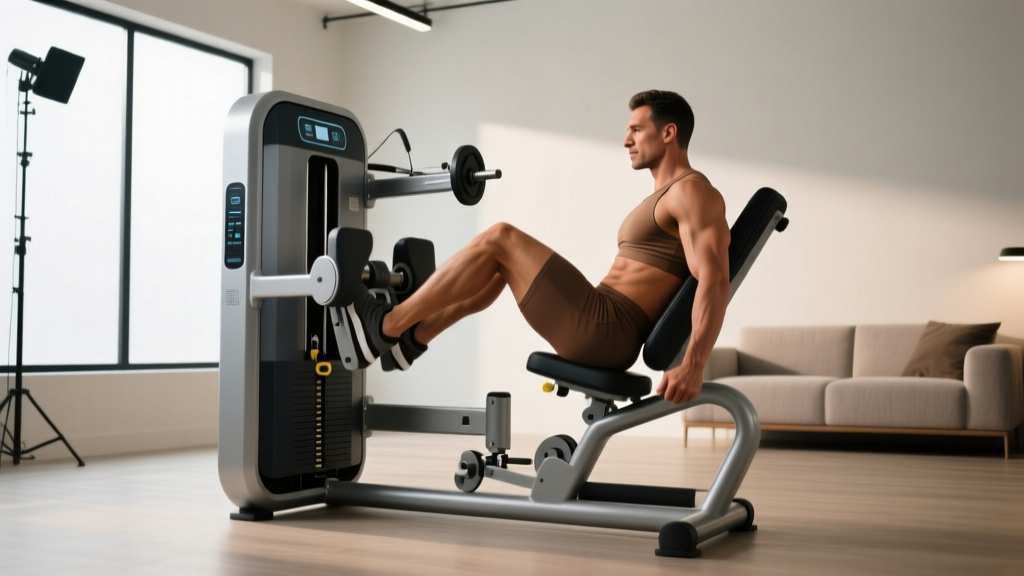
In the modern fitness landscape, space-efficient hybrid training stations have become the gold standard for serious home and commercial gyms. These units often pair the raw, heavy-duty loading capacity of a decline leg press machine with the versatile, continuous-tension biomechanics of functional cable systems. While this combination allows for everything from heavy sled presses to isolated cable machine leg exercises like hip abductions and glute kickbacks, it also creates a complex maintenance ecosystem.
Maintaining a hybrid unit requires understanding two entirely different mechanical paradigms: the high-friction, heavy-load linear bearings of the decline sled, and the high-tension, multi-directional wear points of aircraft cables and nylon attachments. Neglecting either system not only degrades the user experience but introduces severe safety hazards. This comprehensive guide details the exact maintenance protocols required to maximize the longevity of your equipment in 2026 and beyond.
💡 Pro Insight: According to Precor's official equipment maintenance guidelines, over 60% of premature equipment failure in lower-body machines stems from improper lubrication and ignored cable fraying. Establishing a strict maintenance calendar is non-negotiable for facility managers and home gym owners alike.The Decline Leg Press Machine: Sled and Track Care
The decline leg press machine operates on an angled track, typically set between 30 and 45 degrees. Unlike horizontal sleds, the decline angle places continuous gravitational shear stress on the guide rods and linear bearings. When users load 400+ pounds onto the sled, the lateral force against the bushings increases exponentially.
Cleaning the Guide Rods
The 30mm to 40mm chrome-plated guide rods are the lifelines of your sled. During heavy leg presses, users shed dead skin, sweat, and chalk, which accumulates on the rods. If left uncleaned, this organic matter mixes with ambient dust to form an abrasive grinding paste that will permanently score the chrome finish and destroy the internal ball bearings.
- The Solution: Wipe down the guide rods weekly using a lint-free microfiber cloth dampened with 70% isopropyl alcohol. Never use ammonia-based glass cleaners, as they can degrade the seals on the linear bearings.
- Inspection: Run your fingernail lightly across the rod. If you feel pitting, scoring, or rust spots, the rod requires immediate professional polishing or replacement to prevent catastrophic bearing failure.
Proper Lubrication Protocols
One of the most common and destructive mistakes gym owners make is using petroleum-based lubricants (like standard WD-40 or motor oil) on exposed guide rods. These wet lubricants act as magnets for dust and chalk, accelerating wear.
| Lubricant Type | Best Use Case | Verdict for Guide Rods |
|---|---|---|
| PTFE Dry Film (e.g., Super Lube) | Exposed linear bearings, sled tracks | Highly Recommended |
| 100% Silicone Spray | Rubber seals, belt drives | Acceptable (Attracts slight dust) |
| Petroleum / WD-40 | Rusted bolts, internal gears | Never Use on Exposed Rods |
| White Lithium Grease | Heavy pivot points, hinges | Too Thick / Attracts Grime |
Apply a PTFE-based dry lubricant every 90 days. Spray it onto a cloth first, then wipe it onto the rods to prevent overspray from reaching the cable pulleys or upholstery.
Cable Pulley Systems: Tension, Wear, and Replacement
While the decline sled handles brute force, the cable system handles precision. Cable machine leg exercises—such as heavy cable pull-throughs, adductor sweeps, and standing hip extensions—subject the pulleys to intense lateral and angular stress. Most premium functional trainers utilize 3/16-inch or 1/4-inch nylon-coated, 7x19 strand aircraft cables rated for 2,000 to 3,000 pounds of tensile strength.
Identifying Cable Failure Modes
Cables rarely snap without warning. The internal steel strands break one by one, causing the outer nylon coating to bubble or deform. Pay special attention to the following high-wear zones:
- The Swivel Joints: Where the cable meets the weight stack or sled attachment. Constant rotation during cable kickbacks causes internal fraying.
- The Exit Pulleys: The final pulley before the cable reaches the user. This pulley experiences the most acute bending radius and directional changes.
- Selector Pin Intersections: Check the cable crimp near the selector pin for slippage or metal fatigue.
According to Rogue Fitness cable attachment specifications, a properly tensioned aircraft cable should have less than 1/2 inch of deflection when pressed with moderate thumb pressure. Excessive slack alters the resistance curve, while overtightening accelerates pulley bearing degradation.
Maintaining Cable Machine Leg Attachments
The subtopic of cable machine leg exercises and attachments is incomplete without addressing the physical interface between the user and the machine. Ankle straps, neoprene cuffs, and hip abduction belts are subjected to high-tension pulling forces and constant exposure to corrosive sweat.
Neoprene and Nylon Webbing Care
Neoprene ankle cuffs used for glute kickbacks and leg curls absorb massive amounts of sweat. The salt from dried sweat acts as an abrasive against the interior stitching and accelerates the oxidation of the steel D-rings.
- Cleaning: Hand wash neoprene attachments weekly in cold water with a mild, non-bleach detergent. Bleach destroys the elastic fibers in neoprene, causing the cuff to lose its grip and slip during heavy cable extensions.
- Drying: Air dry only. Never place gym attachments in a commercial dryer, as the high heat will melt the adhesive bonding the D-ring anchor points.
Carabiner and D-Ring Inspection
The carabiners connecting your ankle straps to the cable system are critical safety components. Standard spring-gate carabiners can develop 'gate flutter' or weak spring tension over time. If a gate fails to snap shut instantly when released, discard the carabiner immediately. Upgrade to locking sleeve carabiners or heavy-duty steel snap hooks rated for at least 1,500 lbs of working load to ensure safety during explosive cable machine leg exercises.
How Wear Alters Biomechanics in Leg Exercises
Equipment maintenance is not just about preventing breakage; it is about preserving biomechanical integrity. When a decline leg press machine develops worn linear bearings, the sled begins to 'chatter' or stick along the track. This stiction forces the user's stabilizing muscles to compensate for the uneven resistance, drastically altering the intended force vector and increasing the risk of lumbar or knee shear injuries.
Similarly, a frayed or stretched cable used for cable hip abductions will introduce a 'dead zone' at the beginning of the movement. The user will experience zero tension for the first few inches of the range of motion, completely negating the continuous-tension benefit of cable training. Replacing your cables and bearings on schedule ensures that the resistance profile matches the biomechanical design of the exercise.
The Ultimate Quarterly Maintenance Checklist
To keep your hybrid leg training station operating flawlessly, implement this 90-day maintenance protocol:
📋 90-Day Longevity Checklist
- Track & Rod Audit: Clean guide rods with isopropyl alcohol. Inspect linear bearings for play or grinding noises. Apply PTFE dry lube.
- Cable Deflection Test: Check all 7x19 aircraft cables for tension. Look for nylon coating bubbles or exposed steel strands.
- Pulley Spin Test: Spin every glass-filled nylon and aluminum pulley by hand. Replace any pulley that wobbles, grinds, or fails to spin freely.
- Attachment Sanitation: Wash all neoprene ankle cuffs and hip belts. Inspect D-rings for rust and test carabiner gate tension.
- Hardware Torque Check: Use a torque wrench to verify that all sled footplate bolts and pulley mounting brackets are tightened to the manufacturer's exact specifications.
Conclusion
Investing in a high-quality decline leg press machine with integrated cable attachments provides an unparalleled lower-body training experience. However, the longevity and safety of this equipment rely entirely on proactive, knowledgeable maintenance. By respecting the distinct mechanical needs of heavy sled tracks and high-tension cable systems, you ensure that every rep of every cable machine leg exercise remains smooth, safe, and biomechanically precise for years to come.
More gear to consider
All reviews
Data vs Cold: How Quantitative Insights Transform Thermal Protection in Legwear Engineering

Life Fitness Leg Press Machine & 2026 Glute Equipment Trends
2026 Glute Machine Market Trends: Beyond the Squat Machine Leg Press

The Best Leg Press Machine Alternative: A Beginner's Sled Guide
Hip Thrust Gear vs Leg Press: What Muscles Does a Leg Press Machine Work?
