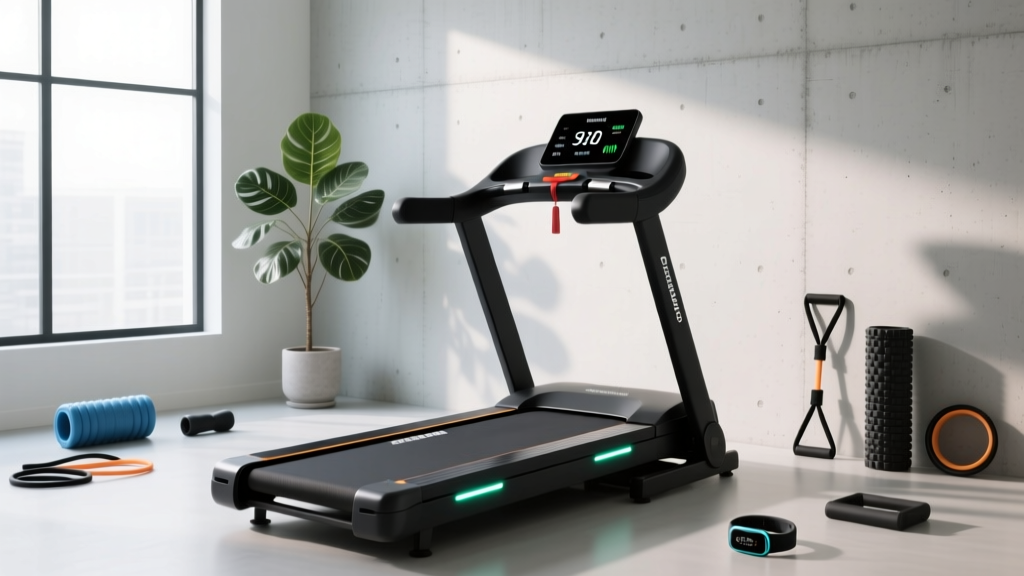
How to Lower a ProForm Treadmill: Fixes & Walking Pad Comparisons
Learn how to lower a ProForm treadmill safely, troubleshoot stuck inclines, and compare folding treadmills to modern walking pads for home gyms.

The Mechanics of Space-Saving Cardio: ProForm vs. Walking Pads
Transitioning to a home gym often means compromising on space. Traditional folding treadmills and modern ultra-slim walking pads are the two dominant solutions in 2026. However, the mechanical reality of storing these machines is vastly different. If you are struggling with a stuck deck or searching for how to lower a ProForm treadmill without damaging the hydraulic shock, you are not alone. According to Consumer Reports, improper folding and lowering techniques account for a significant percentage of home fitness equipment damage and user injury.
This guide serves as a comprehensive troubleshooting manual for ProForm treadmill lowering mechanisms (both the folding deck and the incline motor) while providing a deep-dive comparison review of ProForm folding units versus modern walking pads. Understanding the mechanical stress points of both categories will save you hundreds of dollars in replacement parts.
⚠️ Safety Warning: Never attempt to force a ProForm treadmill deck downward. The hydraulic cylinder is designed to resist sudden drops. Forcing it can bend the M8 steel latch pin or crack the upright welds.Troubleshooting: How to Lower a ProForm Treadmill Deck
ProForm treadmills (manufactured by ICON Health & Fitness) utilize a proprietary hydraulic drop-shock system paired with a manual safety latch. The most common mistake users make is pulling the deck down before fully disengaging the latch, causing the metal catch bracket to bind under the machine's 150+ lb dead weight.
Step-by-Step Deck Lowering Procedure
- Relieve the Pressure: Stand at the rear of the treadmill, grip the outer edges of the deck, and lift it upward by about one inch. This takes the dead weight off the safety latch.
- Disengage the Latch: While holding the deck up, pull the yellow or red safety release knob (usually located halfway up the left upright) outward and hold it.
- Control the Descent: Slowly walk the deck downward. The hydraulic shock will take over the final 12 inches, gently pulling the deck onto the floor pad.
Common Failure Mode: The Stuck Latch Pin
If the latch pin refuses to retract even when the knob is pulled, the internal spring has likely seized due to dust accumulation or lack of lubrication. The Fix: Apply a few drops of PTFE-based dry lubricant (not WD-40, which attracts grit) directly into the latch housing. Cycle the knob back and forth 10 times to work the lubricant into the spring coil.
Incline Motor Failures: When the Console Won't Lower
Sometimes, users asking how to lower a ProForm treadmill are actually referring to the incline being stuck at a high elevation (e.g., 10% to 15%). If your ProForm Carbon TL or Pro Series console is unresponsive or the incline motor is grinding without lowering the deck, the system requires a hard recalibration.
The ProForm Calibration Sequence
ICON-manufactured treadmills share a universal diagnostic mode to reset the incline potentiometer:
- Remove the red magnetic safety key from the console.
- Press and hold both the Speed Up and Incline Up buttons simultaneously.
- While holding both buttons, reinsert the safety key.
- Release the buttons. The treadmill will automatically drive the incline to its maximum height, then lower it to the absolute zero (flat) position.
Note: If the motor hums but the deck does not move during calibration, the internal plastic drive gear inside the incline motor actuator is stripped. This is a $45 replacement part (Part #213987) that requires a standard hex key set to swap out.
ProForm Folding Treadmills vs. Walking Pads (2026 Review)
While mastering how to lower a ProForm treadmill is essential for traditional home gyms, many users in 2026 are pivoting to walking pads to eliminate mechanical lowering altogether. As highlighted in Wirecutter's extensive walking pad reviews, the trade-off between a folding treadmill and a walking pad comes down to biomechanics, motor torque, and storage friction.
Comparison Matrix: Mechanical Storage & Performance
| Feature | ProForm Carbon TL (Folding) | UREVO Strol 2E (Walking Pad) | Kingsmith WalkingPad R2 |
|---|---|---|---|
| Lowering/Storage Mechanism | Hydraulic shock + steel latch | 120° friction hinge fold | Bi-fold aluminum frame |
| Stored Footprint | 28' x 32' (Vertical) | 51' x 20' (Flat/Under Bed) | 35' x 20' (Half-fold) |
| Max Speed & Motor | 10 MPH (2.6 HP Continuous) | 6 MPH (1.5 HP Peak) | 7.6 MPH (1.25 HP Continuous) |
| Weight Capacity | 300 lbs | 240 lbs | 265 lbs |
| Common Mechanical Failure | Seized hydraulic cylinder | Stripped hinge rivets | Flex-cable snapping at fold |
| Average Price (2026) | $499 - $549 | $299 - $349 | $499 - $599 |
The Biomechanical Reality
When comparing a ProForm folding treadmill to a walking pad, the 'lowering' aspect is just the tip of the iceberg. ProForm treadmills feature a rigid, welded steel deck that absorbs impact. Walking pads utilize flexible, multi-layered composite belts that bend around smaller 40mm rollers. If your primary goal is running or high-incline hiking, the walking pad category will fail you; the hinges on foldable walking pads (like the UREVO) are not rated for the downward kinetic force of a running stride, leading to premature rivet failure.
Common Mistakes Users Make with Space-Saving Cardio Gear
Whether you own a heavy-duty ProForm or an ultra-light walking pad, improper storage and lowering habits will void your warranty. Avoid these critical errors:
1. Storing Folding Treadmills Without Locking the Pin
Failing to hear the definitive 'click' of the ProForm safety latch means the machine is resting entirely on the hydraulic shock. Over 3 to 6 months, the nitrogen gas inside the cylinder will leak, rendering the shock useless and creating a severe crush hazard.
2. Exceeding Hinge Tolerances on Walking Pads
Walking pads with a foldable handrail (like the Kingsmith R2) use internal wiring routed through the hinge. Repeatedly folding and unfolding the unit without supporting the handrail's weight will eventually snap the internal LED data cable, resulting in a blank console display.
3. Rolling the Machine on the Belt
When lowering and moving a ProForm treadmill, always tilt it back onto the transport wheels. Dragging the rear roller across carpet creates static buildup that can fry the lower control board (a $120+ repair).
Expert Verdict: Which Space-Saver is Right for You?
Knowing how to lower a ProForm treadmill safely is a mandatory skill if you choose the traditional folding route. The ProForm Carbon TL remains a top-tier choice for runners who need a 300-lb weight capacity and a true 10 MPH top speed, provided you maintain the latch mechanism.
However, if your 2026 fitness goals are strictly focused on NEAT (Non-Exercise Activity Thermogenesis) and closing your smartwatch rings via daily steps, a walking pad is superior. You eliminate the heavy lifting, the hydraulic shocks, and the vertical storage footprint entirely, allowing you to slide the unit under a standard 14-inch clearance bed frame. Choose the machine that aligns with your biomechanical needs, and respect the engineering limits of its storage mechanism.
Frequently Asked Questions
Why does my ProForm treadmill drop too fast when lowering?
This indicates a blown hydraulic shock. The internal seals have failed, and the cylinder can no longer provide pneumatic resistance. You must order a replacement hydraulic strut (typically Part #182632 for older models) and replace it using a 14mm wrench.
Can I use a walking pad under a standing desk without unfolding it?
Yes, but ensure the walking pad is rated for 'flat-only' use. Some foldable walking pads require the handrail to be upright to unlock the motor's speed governor for safety compliance.
More gear to consider
All reviews
Beginner Home Treadmill Workouts: Walking Pad vs Treadmill Review

Air Bike vs Assault Bike: The Best Treadmill Outdoor Alternative for Compact Gyms

Urevo Strol 2S Pro Treadmill Review vs. Home Stair Climbers

Rowing Machine Buying Guide & Technique: Matching Treadmill Speed to MPH
Vision Fitness T600 Treadmill vs Elliptical: Home Cardio Value