
Liforme Cosmic Moon Yoga Mat: A Beginner's Grip & Thickness Guide
Master yoga mat thickness, material, and grip. We compare the Liforme Cosmic Moon yoga mat against standard options in this beginner step-by-step guide.

Introduction: Navigating the Yoga Mat Aisle
Stepping into a yoga studio for the first time or upgrading your home practice setup often leads to the same overwhelming question: Which mat should I buy? The market is flooded with options ranging from $15 foam rolls to $160 premium eco-rubber slabs. For beginners, understanding the nuances of yoga mat thickness, material, and grip comparison is critical to protecting your joints and maintaining stability in foundational poses.
In this step-by-step guide, we will break down the biomechanics and material science of yoga mats, using the highly acclaimed liforme cosmic moon yoga mat as our premium benchmark. By comparing its specifications against standard beginner mats, you will learn exactly how to evaluate traction, cushioning, and longevity before spending your hard-earned money.
Step 1: Decoding Material Science (PU vs. PVC vs. TPE)
The material of your mat dictates its lifespan, environmental impact, and how it handles sweat. Most big-box store mats are made from PVC (Polyvinyl Chloride) or TPE (Thermoplastic Elastomer). While cheap, they often lack durability and rely on artificial textures for grip.
The Premium Benchmark: Natural Rubber and Polyurethane
The liforme cosmic moon yoga mat utilizes a dual-layer construction: a base of sustainably sourced natural rubber and a top layer of eco-polyurethane (PU). According to Liforme's official material specifications, this heat-bonded combination eliminates the need for toxic glues while providing a naturally moisture-wicking surface. Unlike closed-cell PVC mats that cause sweat to pool on the surface, the open-cell PU top layer absorbs moisture, actually increasing traction as your practice heats up.
⚠️ Beginner Warning: The Off-Gassing FactorCheap PVC mats often emit a strong chemical odor known as off-gassing, which contains volatile organic compounds (VOCs). If you practice in a small, unventilated home studio, investing in a non-toxic, biodegradable natural rubber mat is highly recommended for your respiratory health.
Step 2: Thickness & Biomechanics (Finding Your Sweet Spot)
Thickness is arguably the most misunderstood metric for beginners. The common misconception is that 'thicker is always better' for joint protection. However, excessive thickness compromises your proprioception (your body's ability to sense movement and position), making balance poses like Warrior III incredibly difficult.
Below is a structural comparison of standard mat thicknesses to help you find your ideal match:
| Thickness Category | Measurement | Best For | Drawbacks |
|---|---|---|---|
| Travel / Thin | 1.0mm - 2.0mm | Air travel, studio layering | Zero joint protection; harsh on knees |
| Standard Premium | 4.0mm - 4.5mm | Everyday practice, balance & cushion | Heavier to carry (approx. 5.5 lbs) |
| Extra Thick | 6.0mm - 8.0mm+ | Restorative yoga, sensitive joints | Spongy feel; wrists sink and strain |
The liforme cosmic moon yoga mat sits precisely at 4.2mm. This specific measurement is the result of extensive biomechanical testing. It provides enough high-density rubber to cushion the knees during low lunge poses, while remaining firm enough that your wrists won't sink and compress the median nerve during Downward-Facing Dog. For a comprehensive breakdown of how thickness impacts wrist health, refer to Wirecutter's comprehensive yoga mat testing, which highlights the dangers of overly soft foam mats.
Step 3: The Grip Factor (Traction Under Pressure)
Grip is what separates a frustrating practice from a transformative one. When evaluating grip, you must consider two distinct forces: dry traction and wet traction.
- Dry Traction: How the mat feels when you first unroll it. Standard TPE mats feel slightly sticky out of the box but lose this coating within a few weeks of use.
- Wet Traction: How the mat performs when you sweat. This is where the liforme cosmic moon yoga mat excels. Its 'GripForMe' polyurethane top layer utilizes hydrophilic (water-attracting) properties. As sweat hits the mat, it disperses across the surface rather than pooling, creating a vacuum-like seal against your skin.
"A common beginner mistake is wiping a premium PU mat with a soaking wet towel mid-class. This oversaturates the open-cell structure. Instead, use a barely damp microfiber cloth to maintain the microscopic grip texture."
— Studio Instructor Best Practice
Step 4: Alignment Cues & The Cosmic Moon Design
While the 'Cosmic Moon' designation refers to the mat's stunning, limited-edition celestial aesthetic, it retains the brand's signature 'AlignForMe' system. For beginners, stepping onto a blank canvas can lead to improper foot and hand placement. The symmetrical, laser-engraved markers on this mat act as a tactile and visual guide, helping you self-correct your stance width and center of gravity without relying constantly on a mirror or instructor.
According to teaching standards emphasized by the Yoga Alliance, proper foundational alignment is critical in the first six months of practice to prevent chronic lower back and shoulder impingements. Having built-in visual cues accelerates this learning curve significantly.
Step 5: Maintenance & Real-World Failure Modes
Premium natural rubber and PU mats require specific care. If you are investing $150+ into the liforme cosmic moon yoga mat, you must avoid the following common failure modes that ruin expensive gear:
- The Essential Oil Error: Never clean your PU mat with tea tree, lavender, or eucalyptus oils. Essential oils break down the polyurethane bonds, leaving permanent greasy dark spots that destroy the grip.
- UV Dry Rot: Natural rubber is highly susceptible to ultraviolet degradation. Leaving your mat in the trunk of a hot car or drying it in direct sunlight will cause the edges to crack and flake within months.
- Machine Washing: Never put an open-cell rubber mat in a washing machine. The agitation and detergents will permanently compromise the heat-bonded layers.
Final Verdict: Is the Investment Worth It?
When conducting a yoga mat thickness, material, and grip comparison, the data clearly shows that upgrading from a $25 PVC mat to a premium natural rubber option drastically improves stability, joint comfort, and hygiene. The liforme cosmic moon yoga mat represents the upper echelon of this category. At approximately $150 USD and weighing 2.5 kg (5.5 lbs), it is not a lightweight travel accessory; it is a dedicated studio and home-practice tool.
For beginners committed to practicing at least three times a week, the 4.2mm density and moisture-activated grip will prevent the slipping and wrist strain that often cause new yogis to abandon their practice. Treat it with the proper care, and it will easily serve as your foundational anchor for the next three to five years.
More gear to consider
All reviews
Medicine Ball Weight Selection vs Traditional Yoga Mat: Core Face-Off

Loop Band vs Tube Band Comparison & Cork Yoga Mats Reviews

When to Recycle Yoga Mat: Material, Thickness & Grip Mistakes
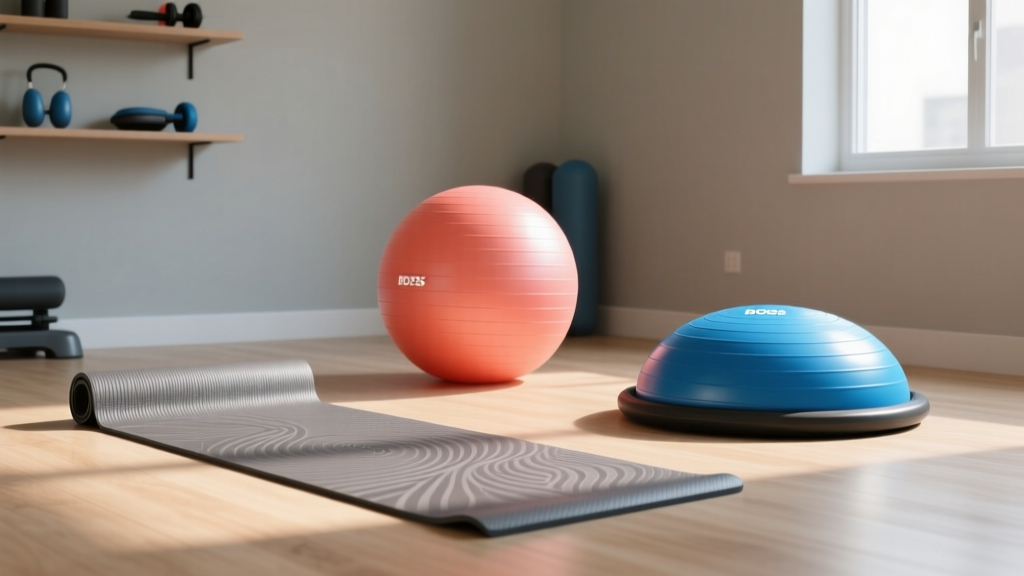
Why Experts Recommend Yoga Mat Grounding: Stability Ball vs BOSU Care

Yoga Blocks, Straps & Typical Yoga Mat Thickness: Value Guide
