
Life Fitness Treadmill vs Home Stair Climber: 2026 Guide
Deciding between a premium Life Fitness treadmill and a home stair climber? Our 2026 guide compares footprints, biomechanics, and top models.

The Cardio Conundrum: Premium Treadmills vs. Vertical Climbers
When outfitting a high-end home gym in 2026, buyers with a $3,000 to $8,000 budget inevitably face a critical cross-shopping dilemma: Should you invest in a commercial-grade staple like a Life Fitness treadmill (specifically the Club Series+ or Integrity models), or pivot to a dedicated home stair climber? While the Life Fitness Treadmill remains the gold standard for horizontal running mechanics and joint-friendly shock absorption, the modern stair climber has evolved into a space-saving, high-yield metabolic powerhouse.
This in-depth buying guide moves beyond generic advice. We will break down the exact spatial geometry, biomechanical failure modes, and electrical requirements of top-tier stair climbers compared against premium treadmills, ensuring you make a data-driven decision for your home.
⚠️ The Ceiling Clearance Trap
The number one reason home stair climbers are returned or sold at a loss is ceiling height. Unlike a treadmill where you only need to account for the deck height (roughly 9 inches on a Life Fitness Treadmill), a true stair climber requires you to calculate your maximum vertical extension at the peak of the step.
Spatial Geometry: Footprint vs. Vertical Clearance
Home gym real estate is expensive. Treadmills demand linear footage, while stair climbers demand vertical volume. Let us look at the exact measurements you need to map out before purchasing.
The Treadmill Profile (Life Fitness Club Series+ Baseline)
- Footprint: 82" L x 34" W (Requires a minimum 10-foot long clear zone for safety fall-off).
- Deck Height: 9 inches. A standard 8-foot ceiling easily accommodates users up to 6'5".
- Weight: ~340 lbs (Requires reinforced floor joists if placed on a second story).
The True Stair Climber Profile (e.g., Sole SC8i)
- Footprint: 58" L x 31" W (Saves roughly 40% of the floor space of a treadmill).
- Step-Up Height: 15 inches. Formula for Ceiling: User Height + 15" + 2" (buffer). If you are 6'2" (74"), you need a minimum ceiling height of 91" (7'7").
- Weight: ~280 lbs (More concentrated point-load on the floor).
2026 Home Stair Climber Comparison Matrix
Below is a side-by-side matrix comparing the most popular premium home stair climbers against the benchmark Life Fitness Treadmill. Pricing reflects early 2026 market averages.
| Model | Type | Footprint (L x W) | Min. Ceiling Req (for 6' User) | 2026 Price Range | Drive System |
|---|---|---|---|---|---|
| Life Fitness Club Series+ | Treadmill (Baseline) | 82" x 34" | 8' 0" | $7,499 | 4.0 HP AC Motor |
| Sole SC8i | True Stair Climber | 58" x 31" | 8' 7" | $2,999 | Heavy-Duty Chain/Belt |
| Bowflex Max Total 22 | Hybrid Climber | 49" x 30" | 8' 2" | $2,999 | Magnetic Resistance |
| NordicTrack FS14i | FreeStride Climber | 58" x 29" | 8' 4" | $2,499 | Front Flywheel Magnetic |
Biomechanics & Joint Impact: What the Data Shows
Why choose a stair climber over a premium treadmill? The answer lies in vertical work and gluteal activation. According to research highlighted by the Cleveland Clinic, stair climbing forces the body to work against gravity, recruiting the gluteus maximus, quadriceps, and calves at a significantly higher rate than level-ground walking or running.
"Stair climbing is a highly efficient cardiovascular exercise that also builds lower-body strength, but it requires careful attention to knee tracking and posture to avoid patellofemoral stress."
The Edge Case: Knee Tracking and Mini-Steppers
Avoid hydraulic mini-steppers for serious home gyms. They force an unnatural, narrow pedal stance that can exacerbate IT band syndrome. True stair climbers like the Sole SC8i or the commercial-grade StairMaster StepMill utilize a 15-inch to 20-inch pedal width, allowing for proper hip and knee alignment. The American Council on Exercise (ACE) consistently notes that maintaining a neutral spine and avoiding leaning heavily on the handrails is critical; leaning reduces caloric expenditure by up to 20% and shifts dangerous shear forces to the lumbar spine.
Failure Modes & Maintenance: What Breaks First?
As equipment reviewers, we track long-term failure modes. Treadmills and stair climbers fail in entirely different ways.
💡 Treadmill Failure Points (Life Fitness / Commercial Models)
- Deck Delamination: Occurs when users fail to lubricate the belt or exceed the weight limit, causing friction that melts the phenolic deck coating.
- MCB Overheating: The Motor Control Board can fail if the machine is plugged into a shared 15-amp circuit with other appliances, causing voltage drops.
🔧 Stair Climber Failure Points
- Optical Encoder Dust: Stair climbers use optical sensors to measure RPM. Dust from carpet fibers or pet dander often settles on the sensor lens, causing the console to display erratic speed readings. Fix: Compressed air every 3 months.
- Chain Stretch & Tensioner Wear: On pedal-driven models (like the Sole SC8i), the internal drive chain stretches over 18-24 months of heavy use, resulting in a 'slipping' sensation at the top of the step. Requires professional tensioning.
- Potentiometer Failure: The resistance dial uses a potentiometer that can wear out from sweat corrosion, leading to dead zones in the magnetic braking system.
Electrical & Installation Realities
Do not underestimate the electrical requirements of premium cardio gear. A commercial-grade Life Fitness Treadmill with a 4.0 HP AC motor requires a dedicated 20-amp circuit. Plugging it into a standard 15-amp bedroom circuit shared with a space heater or window AC unit will trip the breaker and potentially fry the machine's lower control board.
Conversely, most magnetic home stair climbers (like the Bowflex Max Total 22 or NordicTrack FS14i) draw significantly less amperage and can safely operate on a standard 15-amp household circuit, making them easier to integrate into upstairs bedrooms or converted office spaces.
The FitGearPulse Decision Framework
Use this rapid decision matrix to finalize your 2026 equipment purchase:
Choose the Life Fitness Treadmill If:
- You are a dedicated runner training for marathons or half-marathons and need to simulate outdoor pacing.
- You have a dedicated ground-floor room with ample linear space (10+ feet).
- You require the absolute lowest impact on the Achilles tendon and plantar fascia (utilizing advanced FlexDeck shock absorption).
Choose a True Home Stair Climber If:
- You have limited floor space but possess high or vaulted ceilings.
- Your primary goal is high-intensity interval training (HIIT) and maximizing caloric burn in under 30 minutes.
- You want to prioritize glute and hamstring hypertrophy alongside cardiovascular conditioning.
- Your home gym is on an upper floor where the concentrated weight and lower amp-draw of a magnetic stair climber are safer for the subfloor and electrical grid.
Ultimately, while a Life Fitness Treadmill is a masterpiece of horizontal engineering, the modern home stair climber offers a compelling, space-efficient alternative for those willing to embrace the vertical burn. Measure your ceilings, check your breaker panel, and choose the machine that aligns with your biomechanical needs and spatial reality.
More gear to consider
All reviews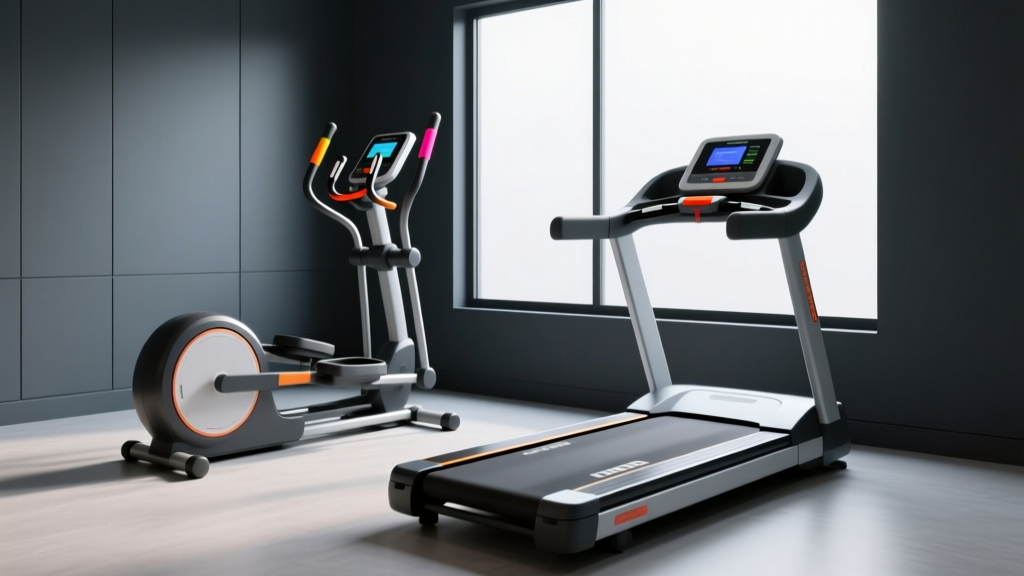
Elliptical vs Treadmill Space: Layouts and Treadmill Bicycle Lopifit

Curved Manual vs Motorized: ProForm Treadmills Beginner Guide
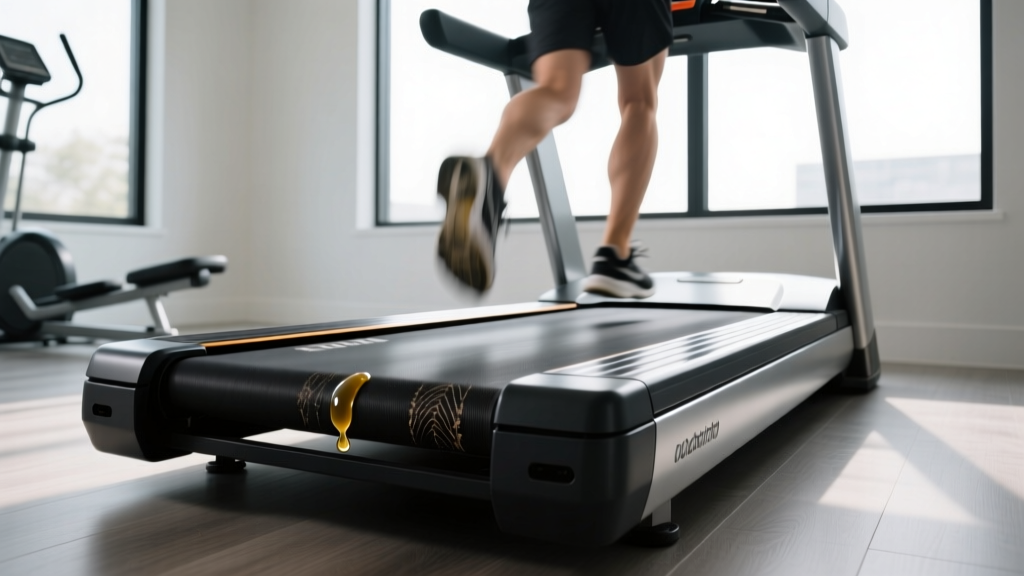
The Backwards Treadmill Trend: Belt Maintenance & Lubrication

Gold's Gym 480 Treadmill vs Rowing Machine: 2026 Guide

Are Treadmills Good for You? Curved vs Motorized Guide
