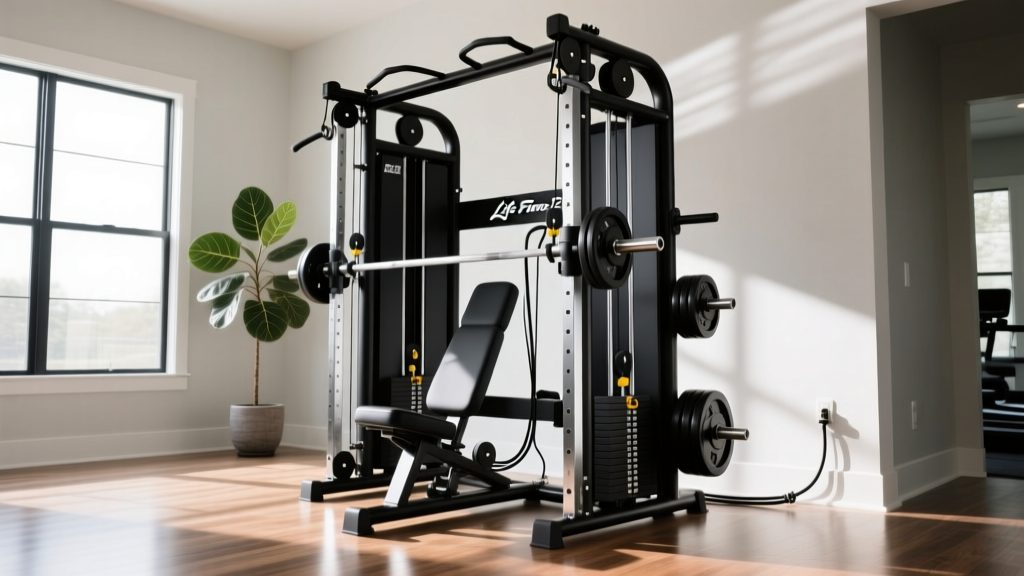
Life Fitness G2 Home Gym Setup: Electrical & Safety Mistakes
Avoid costly errors when installing your Life Fitness G2 Home Gym. Learn essential electrical, structural, and safety troubleshooting for a secure setup.

The Hidden Electrical Demands of a Premium Home Gym
Investing in a Life Fitness G2 Home Gym transforms your spare room or garage into a commercial-grade training facility. However, while the G2’s biomechanics and cable-pulley systems are the star of the show, the surrounding ecosystem you build around it—smart mirrors, motorized cardio add-ons, commercial HVAC, and high-lumen LED lighting—introduces complex electrical and structural demands. In 2026, with the rise of AI-driven smart screens and high-draw motorized resistance accessories, treating your home gym like a standard bedroom extension is a recipe for tripped breakers, equipment damage, or worse, electrical fires.
This troubleshooting guide dissects the most common electrical and safety mistakes homeowners make when designing a comprehensive home gym around heavy, multi-station equipment, and provides exact specifications to ensure your setup is both code-compliant and future-proof.
⚠️ CRITICAL WARNING: The 2023 and 2026 National Electrical Code (NEC) updates mandate strict GFCI (Ground Fault Circuit Interrupter) protection in garages, unfinished basements, and crawl spaces. Failing to install the correct 20-amp GFCI receptacles can result in nuisance tripping when heavy motors or smart screens power up.Top 5 Electrical Mistakes When Installing Heavy Gym Equipment
1. Daisy-Chaining Power Strips for Smart Screens and Cardio
The Life Fitness G2 Home Gym itself is primarily mechanical, but modern setups almost always pair it with interactive smart mirrors (like the Tonal or Peloton Guide) and motorized treadmills. Plugging a 1,500-watt treadmill and a 400-watt smart screen into a single 15-amp residential circuit via a daisy-chained power strip will instantly overload the wiring. The Fix: Run dedicated 20-amp circuits using 12 AWG copper wire for any motorized cardio or high-draw smart displays positioned near your G2.
2. Ignoring GFCI Nuisance Tripping in Garages
According to the National Fire Protection Association (NFPA), garages require GFCI protection. However, the large capacitors in motorized treadmill belts and smart gym mirrors can cause "nuisance tripping" on standard 15-amp GFCI outlets during startup surges. The Fix: Install a 20-amp GFCI circuit breaker at the main panel rather than using a standard GFCI wall receptacle, which handles startup amperage spikes much more reliably.
3. Overlooking Dedicated Lighting Circuits
Flickering lights are a common complaint in home gyms. When a motorized add-on or a heavy HVAC compressor kicks on, it causes a voltage drop on a shared circuit, dimming your LED gym lights and potentially damaging the sensitive logic boards of your smart fitness screens. Always isolate your gym’s overhead lighting on its own 15-amp circuit.
4. Using Extension Cords for Permanent Equipment
Extension cords are a severe fire hazard in environments where heavy rubber plates are dropped and metal equipment shifts. The Consumer Product Safety Commission (CPSC) regularly flags extension cords as a primary cause of home gym electrical fires. If your smart screen or accessory doesn't reach the outlet, hire an electrician to install a new flush-mounted receptacle.
5. Failing to Ground the Equipment Frame
While the Life Fitness G2 is a mechanical cable system, if you integrate third-party motorized resistance modules or electronic rep-counters that mount directly to the G2’s steel frame, the frame itself must be properly grounded to prevent static buildup and micro-shocks during high-rep sets.
Equipment Power Draw & Circuit Matrix
Use this matrix to plan your electrical panel load. Always calculate the continuous load at 80% of the breaker’s maximum capacity.
| Equipment Type | Avg. Wattage | Amp Draw (120V) | Recommended Circuit |
|---|---|---|---|
| Life Fitness G2 (Base Mechanical) | 0W | 0A | N/A (No Power) |
| Smart Fitness Mirror / Screen | 200W - 450W | 1.6A - 3.75A | 15A Dedicated |
| Motorized Treadmill (e.g., Life Fitness T5) | 1,500W - 2,000W | 12.5A - 16.6A | 20A Dedicated |
| Mini-Split HVAC (220V System) | 1,200W - 3,500W | Varies | 220V/20A Dedicated |
| Commercial LED Gym Lighting | 150W - 300W | 1.25A - 2.5A | 15A Shared (Lights Only) |
Structural Safety & Flooring Clearances for the G2
Electrical safety is only half the battle. The physical installation of a multi-station machine requires rigorous structural planning. The Life Fitness G2 Home Gym features a heavy-gauge steel frame and a substantial weight stack or plate-loading horn. When fully loaded with cast-iron plates and subjected to dynamic lateral forces during lat pulldowns or cable crossovers, the point-load on your floor can be immense.
Subfloor and Joist Deflection
Standard residential floor joists are typically rated for a 40 PSF (pounds per square foot) live load. According to structural guidelines from APA - The Engineered Wood Association, concentrated point loads from heavy gym equipment can cause joist deflection, leading to cracked drywall in the room below or a "bouncy" floor that destabilizes your lifts.
- Concrete Slabs (Garages/Basements): Ideal. Ensure the slab is at least 4 inches thick and fully cured. Use a 3/4-inch vulcanized rubber mat system to absorb acoustic shock and protect the concrete from spalling when weights are dropped.
- Wood Framed Floors (Second Story): You must position the G2 so its main vertical uprights rest directly over load-bearing walls or reinforced floor joists. Never place the center of a heavy cable machine in the middle of a joist span without consulting a structural engineer to add sister joists or mid-span blocking.
Mandatory Safety Clearances
The CPSC mandates strict clearance zones around home gym equipment to prevent entrapment and allow for emergency access. 📏 The 36-Inch Rule: Maintain a minimum of 36 inches of unobstructed clearance on all sides of the Life Fitness G2. This ensures you can safely load and unload plates, access the rear cable pulleys for maintenance, and provides an escape route if a cable snaps or a weight stack jams. Furthermore, verify your ceiling height. The G2’s high-pulley lat station requires full overhead extension. If your basement ceiling is under 8 feet, you risk striking the ceiling joists or HVAC ductwork during pulldowns, which can damage both the home's infrastructure and the machine's aircraft cables.
Troubleshooting Common Electrical and Safety Failures
Even with meticulous planning, home gyms experience unique environmental stressors. Use this diagnostic flow to troubleshoot common issues.
- Issue: Smart Screen Flickers or Reboots During Heavy Lifts.
Diagnosis: Voltage drop caused by a shared circuit or loose neutral wire. The high inrush current of a nearby appliance (like a dehumidifier) is starving the screen.
Solution: Move the screen to a dedicated 15-amp circuit. Install an Uninterruptible Power Supply (UPS) rated for at least 1000VA between the wall and the screen to condition the power and provide battery backup. - Issue: GFCI Breaker Trips When Treadmill Inclines.
Diagnosis: The incline motor draws a massive surge of amperage, which the GFCI interprets as a ground fault (current leaking to the earth).
Solution: Ensure the treadmill is on a 20-amp circuit. If tripping persists, the treadmill’s internal EMI filter may be failing, or the GFCI breaker is overly sensitive and needs replacement by a licensed electrician. - Issue: Cable Pulleys Bind or Squeak Prematurely.
Diagnosis: Environmental corrosion. Sweat is highly saline and conductive. In poorly ventilated rooms, aerosolized sweat settles on the G2’s nylon-coated aircraft cables and steel pulley bearings, causing micro-rust.
Solution: Install a dedicated exhaust fan or mini-split HVAC to keep ambient humidity below 45%. Wipe down cables weekly with a silicone-based lubricant—never use WD-40, which strips factory grease and accelerates wear.
Ventilation, Climate Control, and Sweat Corrosion
Finally, electrical safety is intrinsically linked to climate control. A sealed garage or basement gym without proper ventilation will rapidly accumulate humidity from human respiration and perspiration. This moisture condenses on cold concrete floors and, more dangerously, inside electrical outlets and smart screen housings.
Oxidation on the brass contacts of your 120V receptacles increases electrical resistance, which generates heat and creates a fire hazard. To combat this, install weather-resistant (WR) and tamper-resistant (TR) receptacles in garage environments, even if they are technically indoors. Pair this with a commercial-grade dehumidifier capable of extracting 50 to 70 pints of water per day, wired to its own dedicated circuit to ensure it never competes for power with your fitness equipment.
"A home gym is a micro-industrial environment. You are combining heavy mechanical loads, high-draw electrical motors, and highly corrosive biological byproducts (sweat). Treating the space with the same electrical and structural respect as a commercial facility is the only way to ensure long-term safety and equipment longevity."
By addressing these electrical demands, structural loads, and environmental factors upfront, your Life Fitness G2 Home Gym will remain a safe, high-performance sanctuary for years to come, free from the frustrating and dangerous pitfalls that plague poorly planned garage setups.
More gear to consider
All reviews
Rogue Home Gym Setup: Apartment Maintenance & Care

Home Gym Reduction Act & Trump Taxes: $500 Setup Guide

Bio Dyne Home Gym: Mirror Placement & Lighting Kits Compared
Building a Gold Gym Home Gym Setup Under $500: Value Analysis

Fixing Electrical & Safety Mistakes in Home Gym Floor Plans
