
Kettlebell Value: Cast Iron vs Competition & Colored Dumbbell Sets
Compare cast iron vs competition kettlebells through a strict budget lens, and discover when a colored dumbbell set delivers superior home gym ROI.

The Free Weight Dilemma: Maximizing Your 2026 Equipment Budget
Outfitting a home gym or upgrading a commercial facility requires navigating a maze of metallurgical claims, pricing tiers, and biomechanical realities. In the free weights category, the debate between cast iron and competition kettlebells is a perennial battleground. However, a true value analysis demands we look beyond the kettlebell rack. For many lifters, the ultimate budget breakdown reveals that pivoting toward a high-quality colored dumbbell set might actually yield a superior return on investment (ROI) depending on your training modalities.
In this comprehensive budget breakdown, we will dissect the exact cost-per-pound ratios, manufacturing failure modes, and long-term utility of cast iron versus competition kettlebells. Then, we will apply a critical lens to determine when abandoning the kettlebell entirely in favor of color-coded dumbbells makes the most financial and practical sense.
Quick Terminology Primer
Cast Iron Kettlebells: Molded from molten iron poured into sand casts. Sizes and handle dimensions scale up as the weight increases.
Competition Kettlebells: Machined from solid steel or gravity-cast steel. They maintain a uniform, standardized dimension (typically 8.3 x 4.9 inches) and a 33mm handle regardless of weight.
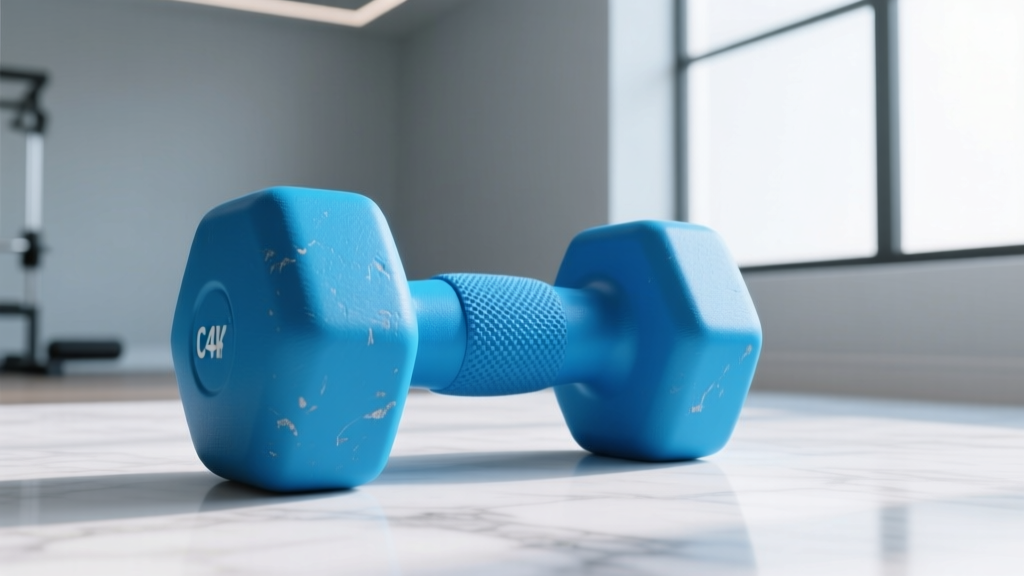
Colored Dumbbell Set: Hex-head dumbbells encased in neoprene, urethane, or vinyl, utilizing a standardized color-coding system for rapid weight identification.
Metallurgy and Manufacturing: Where Your Money Actually Goes
To understand the pricing disparity, you must understand the manufacturing processes. According to extensive equipment testing by BarBend's equipment experts, the fundamental difference lies in the material density and the finishing process.
The Cast Iron Reality
Cast iron kettlebells (like those from Titan Fitness or CAP Barbell) are generally produced via sand casting. This is a cheaper, high-volume manufacturing method. However, it results in a lower-density material, meaning a 24kg cast iron bell is physically larger than a 24kg competition bell. Furthermore, the sand casting process often leaves microscopic seams along the handle and the bell. Budget brands often mask these seams with thick powder coatings, which can chip over time and expose the raw iron to oxidation.
The Competition Steel Premium
Competition kettlebells (such as those from Kettlebell Kings or Eleiko) are crafted from high-grade steel. The steel is denser, allowing for a hollow core in lighter weights to maintain the standardized competition dimensions. The handles are typically machined smooth, lacking the aggressive texture or mold seams of cheap iron, which is critical for high-repetition Girevoy sport movements like snatches and jerks where torn calluses are a primary failure point.
Budget Breakdown: Cost-Per-Pound Matrix
When analyzing value, the 'cost-per-pound' metric is the gold standard. Below is a breakdown of average market pricing in 2026 for premium and budget options across both categories, alongside the dumbbell alternative.
| Equipment Type | Material / Finish | Avg. Price Per Pound | Handle Diameter | Best Use Case |
|---|---|---|---|---|
| Budget Cast Iron KB | Iron / E-Coat | $1.20 - $1.60 / lb | 32mm - 38mm (Varies) | Grinds, basic swings |
| Premium Cast Iron KB | Iron / Powder Coat | $1.80 - $2.50 / lb | 32mm - 35mm | Hardstyle KB training |
| Competition KB | Solid Steel / Paint | $3.50 - $5.50 / lb | 33mm (Standardized) | Girevoy sport, snatches |
| Colored Dumbbell Set | Cast Iron / Neoprene | $1.50 - $2.20 / lb | 34mm (Standard) | Hypertrophy, isolation |
Real-World Failure Modes: Where Cheap Iron Fails
Value is not just about the initial purchase price; it is about the lifespan of the equipment. When buying budget cast iron kettlebells, you must be aware of specific edge cases and failure modes:
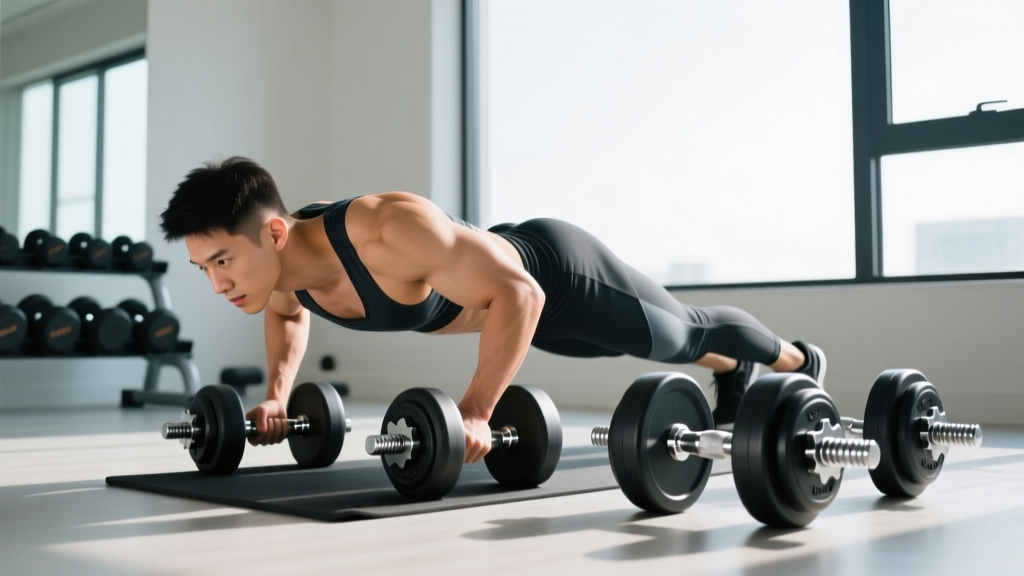
- The Renegade Row Wobble: Budget cast iron bells often have slightly rounded or uneven bases due to poor mold calibration. If you perform renegade rows or push-ups on the handles, the bell will wobble, creating a severe wrist-sprain hazard.
- Handle Pitting and Seam Tearing: During high-rep ballistic movements (like swings or cleans), the bell rests against the forearm. Sand-cast seams, even when powder-coated, can act like a cheese grater on your skin over time.
- Coating Degradation: E-coated budget bells are prone to chipping when dropped on concrete or rubber mats, leading to rust that can stain your gym flooring.
Competition steel bells largely avoid these issues due to machined flat bases and seamless handles, justifying their $4.00+ per pound price tag for serious athletes.
The Strategic Pivot: When a Colored Dumbbell Set Offers Better ROI
Here is where the budget analysis requires a paradigm shift. Many home gym owners fall into the trap of buying a full spectrum of kettlebells (16kg, 20kg, 24kg, 32kg) to mimic a commercial gym, spending upwards of $800. However, unless you are specifically training for kettlebell sport or hardstyle ballistic conditioning, a complete colored dumbbell set is often a vastly superior financial and practical investment.
According to biomechanical analyses published by ACE Fitness, while kettlebells excel at offset-center-of-gravity movements (swings, Turkish get-ups), dumbbells provide superior stability and bilateral loading for strict hypertrophy and muscle isolation.
The Hidden Value of Color-Coded Neoprene and Urethane
Investing in a 5-pair or 10-pair colored dumbbell set (typically encased in neoprene or virgin urethane) solves several home gym pain points simultaneously:
- Rapid Visual Identification: In a fatigued state during a drop-set or HIIT circuit, reading tiny white text on a black iron dumbbell is frustrating. A colored dumbbell set utilizes universal color-coding (e.g., Yellow for 15lbs, Blue for 20lbs, Red for 25lbs), reducing transition time and keeping your heart rate in the target zone.
- Floor and Equipment Protection: Neoprene and urethane coatings act as a shock absorber. Dropping a 30lb cast iron kettlebell on a garage floor risks cracking the concrete or damaging the bell's base. A urethane-coated colored dumbbell set absorbs the impact, preserving both your floor and the equipment.
- Incremental Loading for Hypertrophy: Kettlebells traditionally jump in 4kg or 8kg increments (roughly 9 to 18 lbs). This massive jump is a primary failure point for upper-body isolation exercises like lateral raises or tricep extensions. A colored dumbbell set usually scales in 5lb increments, allowing for precise progressive overload—a cornerstone of muscle growth.
Cost-per-Utility: The Final Verdict
To determine where your budget should be allocated in 2026, apply this decision framework based on your primary training modality:
The FitGearPulse Buying Framework
Allocate Budget to Competition Kettlebells IF: You train Girevoy sport, prioritize high-rep snatches/jerks, and need the standardized 33mm handle to prevent forearm bruising. Expect to pay a premium ($4+/lb) for steel durability.
Allocate Budget to Premium Cast Iron Kettlebells IF: You are a powerlifter or strongman using kettlebells for accessory grinds, heavy goblet squats, and low-rep swings. The thicker handles (35mm+) will actually improve your grip strength.
Allocate Budget to a Colored Dumbbell Set IF: Your primary goal is bodybuilding, general fitness, hypertrophy, or HIIT circuits. The 5lb incremental jumps, joint-friendly hex design, and visual color-coding offer a higher daily utility for 80% of the lifting population. As noted by Garage Gym Reviews, a high-quality hex dumbbell set remains the most versatile anchor piece for any home gym.
Final Thoughts on Free Weight Economics
Do not let fitness trends dictate your equipment budget. While the kettlebell is an unparalleled tool for posterior chain power and mobility, the mathematical reality of the cost-per-pound ratio often favors the humble dumbbell for generalists. If you only have $400 to spend this year, skipping the mismatched, seam-ridden budget cast iron kettlebells and instead purchasing a premium 5-pair colored dumbbell set (ranging from 15 to 35 lbs) will yield more consistent, joint-friendly, and progressive training sessions. Reserve the competition steel kettlebells for when your specific sport demands their precise, uniform geometry.
More gear to consider
All reviews
Bumper Plate vs Iron Plate: Budgeting for Lifts and Flat Dumbbell Fly

Adjustable Dumbbell Setup for a Safe Oblique Dumbbell Workout

Dumbbell Floor Press vs Dumbbell Bench Press: Top Adjustable Picks
Loadable Dumbbells for Plank with Dumbbell Row: 2026 Value Guide
Mastering the Dumbbell One Arm Triceps Extension: Neoprene Guide
