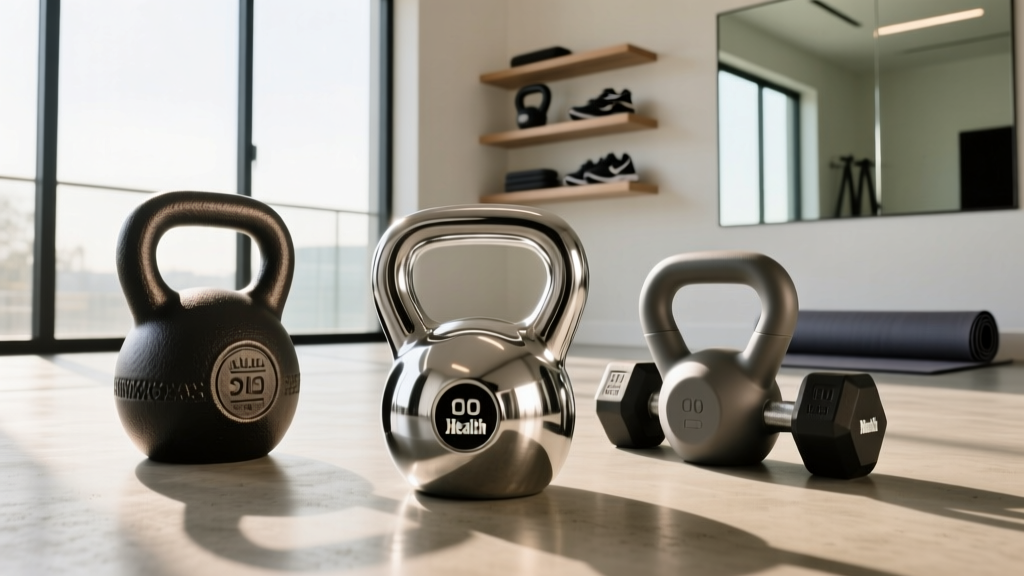
Kettlebell Trends 2026: Beyond Gym Exercises With Dumbbells
Explore 2026 kettlebell market trends, comparing cast iron vs competition bells for athletes transitioning from traditional gym exercises with dumbbells.

The 2026 Free-Weight Market Shift
The fitness equipment landscape in 2026 is defined by a distinct migration from isolated, machine-assisted hypertrophy toward functional, flow-based conditioning. While traditional gym exercises with dumbbells remain an undisputed staple for targeted muscle building and unilateral symmetry, they inherently limit the user to a fixed center of mass. Kettlebells, with their offset centers of gravity and unique horn geometries, introduce complex moment arms that challenge the stabilizer muscles and fascial slings in ways dumbbells simply cannot.
According to recent industry analyses, the global free-weight market has seen a 14% year-over-year surge in kettlebell acquisitions, outpacing the 8% growth in adjustable dumbbell sales. This trend is heavily driven by hybrid home-gym owners and functional fitness athletes who are realizing that standard dumbbell presses and rows do not adequately prepare the body for the ballistic demands of real-world movement or sport-specific endurance.
'The offset load of a kettlebell forces the neuromuscular system to adapt to a shifting center of mass, creating a higher neurological demand than the balanced load of a traditional dumbbell.' — American Council on Exercise (ACE) Biomechanics Research Division.
Cast Iron vs. Competition: A Material and Structural Matrix
When transitioning from the predictable ergonomics of dumbbells to kettlebells, buyers in 2026 are immediately confronted with two distinct manufacturing categories: Cast Iron and Competition. Choosing the wrong style for your specific training modality is the most common (and expensive) mistake new buyers make.
| Feature | Cast Iron Kettlebells | Competition Kettlebells |
|---|---|---|
| Material & Build | Single-piece solid cast iron; gravity-poured. | Hollow steel shell; filled with steel shot/sawdust. |
| Dimensions | Scale up in physical size as weight increases. | Uniform 280mm x 210mm across all weights. |
| Handle Diameter | Variable (typically 30mm to 45mm+ depending on weight). | Standardized 35mm diameter across all weights. |
| Base Footprint | Wider, flatter base; excellent for renegade rows. | Smaller, slightly rounded base; can tip on uneven floors. |
| Price per lb (2026) | $1.10 - $1.80 / lb | $2.40 - $3.80 / lb |
| Ideal Use Case | Grinds, presses, squats, and traditional strength. | Snatches, cleans, jerks, and high-rep sport flow. |
Cast Iron Kettlebells: The Grinding Specialist
If your primary goal is to replicate and enhance traditional gym exercises with dumbbells—such as goblet squats, strict overhead presses, and heavy farmer’s carries—cast iron is your optimal choice. Brands like Rogue Fitness and Rep Fitness dominate this space with single-cast, powder-coated or e-coated bells.
The defining characteristic of cast iron bells is that their physical dimensions scale with their mass. A 12kg cast iron bell has a noticeably smaller handle and a narrower 'window' (the space between the handle and the bell) than a 32kg bell. For grinding movements, this is highly advantageous. The wider horns and thicker handles of heavier cast iron bells (often exceeding 40mm in diameter on the 24kg+ models) provide a superior grip challenge for heavy, slow-twitch strength work. Furthermore, the larger, flatter base of a cast iron bell makes it significantly more stable when placed on the floor for exercises like renegade rows or push-up variations, mimicking the stability you expect from a hex dumbbell.
2026 Coating Technology Note: Avoid cheap, glossy enamel-coated cast iron bells imported from unverified marketplaces. The 2026 standard for high-quality cast iron is e-coat (electrophoretic deposition) or high-grade powder coat. E-coat provides a thin, ultra-durable finish that preserves the aggressive knurling or texture of the raw iron handle, which is critical for preventing grip slip during heavy swings without tearing the calluses on your hands.Competition Kettlebells: The Ballistic Standard
Competition kettlebells were born from the strict requirements of Girevoy Sport. As detailed in the manufacturing specs from Kettlebell Kings, these bells are constructed from a hollow steel shell and filled with a precise matrix of steel shot and sawdust to achieve the target weight while eliminating internal shifting or rattling.
The genius of the competition bell lies in its absolute uniformity. Whether you are lifting an 8kg or a 48kg bell, the handle diameter is exactly 35mm, and the overall dimensions remain locked at 280mm in height and 210mm in width. For athletes performing high-repetition ballistic movements like the snatch or the clean and jerk, this consistency is non-negotiable. It ensures that the trajectory of the bell and the impact point on the forearm remain identical regardless of the weight loaded, allowing the lifter to dial in their technique without adjusting for varying handle thicknesses or horn widths.
The Rack Position: Why Dumbbell Lifters Struggle
The most jarring transition for athletes moving from gym exercises with dumbbells to kettlebell training is the 'rack position.' When holding a dumbbell at shoulder height, the balanced load rests comfortably in the palm, with the wrist stacked directly over the elbow.
A kettlebell, however, demands that the weight rest against the outside of the forearm. If you attempt to hold a heavy cast iron kettlebell in the rack position using a dumbbell grip (wrist bent backward to keep the bell upright), the offset center of mass will rapidly induce wrist fatigue and potential extensor strain. Competition kettlebells solve this issue through their specific geometry. The smooth, rounded steel shell and the flat profile of the horns allow the bell to nestle securely into the 'V' created by the bicep and forearm, supported by a neutral, straight wrist. If your programming involves heavy, sustained front squats, thrusters, or long-cycle clean and jerks, the competition bell's rack ergonomics will save your wrists from the crushing torque inherent in thick-handled cast iron.
2026 Purchasing Decision Framework
To maximize your equipment budget and align your purchases with your physiological goals, apply the following decision matrix before adding to your cart:
- Choose Cast Iron If: Your programming focuses on 'grinds' (heavy presses, squats, Turkish get-ups), you frequently perform floor-based exercises (renegade rows, drag curls), you want a thicker handle for grip-strength carryover, and your budget is capped at $1.50/lb.
- Choose Competition If: Your programming focuses on 'ballistics' (high-rep snatches, cleans, swings), you practice Girevoy Sport or tactical fitness flow, you have smaller hands that struggle with 38mm+ handles, and you require the bell to rest comfortably in the forearm rack position for extended durations.
- The Hybrid Approach: Many advanced 2026 home gyms utilize a mixed arsenal. They keep a pair of heavy cast iron bells (24kg/32kg) for slow, heavy grinds that supplement their dumbbell work, alongside a set of lighter competition bells (12kg/16kg) dedicated exclusively to high-rep ballistic conditioning and skill work.
Ultimately, while standard gym exercises with dumbbells will always hold their place in the hierarchy of muscle isolation and hypertrophy, the integration of the correct kettlebell style unlocks a tier of functional conditioning, grip endurance, and fascial elasticity that traditional dumbbells cannot replicate. Assess your movement patterns, respect the biomechanical differences, and invest in the casting style that serves your specific athletic demands.
More gear to consider
All reviews
Standard vs Olympic Weight Plates: Setup & Dumbbell Drag Curl Tips

Beyond a 200 Pound Dumbbell Set: Barbell Weight & Knurling Mistakes

Urethane vs Rubber Hex: Gym Layouts & Proper Dumbbell Deadlift Form
Collar Clamps Compared for Dumbbell Arm Workout for Beginners

Bumper vs Iron Plates: Budget Analysis & Decline Dumbbell Pairings
