
Infrared Sauna Blanket vs Panel: Complete Buyer's Guide
Compare infrared sauna blankets and panels with real specs, pricing, and performance data. Find the right heat therapy system for your recovery goals.

Understanding Infrared Heat Therapy for Recovery
Infrared sauna technology has become a cornerstone of at-home recovery systems, with two dominant form factors emerging: portable infrared sauna blankets and fixed infrared sauna panels. Both deliver far-infrared (FIR) radiation that penetrates tissue to a depth of approximately 1.5 inches, but their use cases, costs, and performance characteristics differ significantly.
According to a study published in the Journal of Environmental and Public Health, regular infrared sauna use supports cardiovascular function, reduces oxidative stress, and aids muscle recovery. The key is choosing the right delivery system for your specific needs.
Key Distinction: Blankets wrap around the body delivering 360-degree heat contact. Panels emit directional infrared waves into a room or enclosed space. Neither is universally "better" — the right choice depends on your space, budget, and therapy goals.Infrared Sauna Blankets: Portable Full-Body Heat
How They Work
Infrared sauna blankets use embedded carbon fiber or ceramic heating elements that emit far-infrared wavelengths between 5-15 micrometers. The user lies inside the blanket (similar to a sleeping bag configuration), and the sealed environment traps heat while infrared energy penetrates directly through skin contact and close proximity.
Top Models Compared (2026 Pricing)
| Model | Max Temp | Heating Zones | EMF Level | Price | Weight |
|---|---|---|---|---|---|
| HigherDose Infrared Blanket | 158°F (70°C) | 3 zones | <3 mG | $695 | 12 lbs |
| Therasage Infrared Blanket | 158°F (70°C) | 1 zone | <5 mG | $449 | 10 lbs |
| Sun Home Saunas Blanket | 167°F (75°C) | 3 zones | <2 mG | $799 | 14 lbs |
| Smartmi Infrared Wrap | 149°F (65°C) | 2 zones | <4 mG | $329 | 8 lbs |
Pros and Cons
Advantages
- Direct skin contact maximizes IR absorption
- Portable — folds for storage or travel
- Lower upfront cost ($329-$799 range)
- No dedicated room required
- Heats up in 5-10 minutes
- Ideal for targeted muscle recovery post-workout
Limitations
- Confined space may trigger claustrophobia
- Limited to 1 user at a time
- Head remains outside (uneven heat distribution)
- Sweat management requires towel lining
- Less effective for respiratory benefits
- Typical lifespan: 3-5 years with regular use
Infrared Sauna Panels: Room-Based Deep Therapy
How They Work
Infrared panels are flat heating units mounted on walls or configured as standalone room enclosures. They use carbon fiber, ceramic, or Incoloy rod heaters to project far-infrared energy across a room. The user sits or lies within the heated space, absorbing infrared waves from multiple angles depending on panel configuration.
Full infrared sauna cabins typically use 6-12 panels arranged to create an immersive 360-degree infrared field. Standalone single panels serve smaller spaces or supplement existing rooms.
Panel Types and Specifications
| Panel Type | Heater Element | Surface Temp | IR Wavelength | Best Application |
|---|---|---|---|---|
| Carbon Fiber Flat Panel | Carbon sheet | 140-200°F | 7-14 μm (peak 9.4μm) | Full-body, even distribution |
| Ceramic Rod Panel | Ceramic tube | 300-500°F | 3-10 μm | High-intensity, deep penetration |
| Incoloy Metal Rod | Steel alloy tube | 350-600°F | 2-8 μm | Commercial/clinical settings |
| Red Light + IR Combo | LED + Carbon hybrid | 120-180°F | 7-14 μm + 630-850nm light | Skin health + muscle recovery |
Top Panel Systems Compared
| System | Configuration | Power Draw | Room Size | Price Range |
|---|---|---|---|---|
| Clearlight Sanctuary (2-person) | 6 carbon panels + 3 ceramic | 2,200W | 44" x 40" interior | $5,499-$6,299 |
| Sunlighten mPulse (3-person) | Full-spectrum: near + mid + far IR | 2,800W | 52" x 44" interior | $7,999-$9,499 |
| JNH Lifestyles 2-Person | 7 carbon panels | 1,950W | 43" x 40" interior | $2,799-$3,299 |
| Standalone Single Panel (generic) | 1 carbon flat panel | 300-600W | Supplements existing room | $199-$499 |
Head-to-Head: Blanket vs Panel Decision Matrix
| Factor | Infrared Blanket | Infrared Panel System | Winner |
|---|---|---|---|
| Initial Investment | $329 - $799 | $1,999 - $9,499 | Blanket |
| Heat Penetration Depth | ~1.0-1.5 inches | ~1.5-2.0 inches (ceramic) | Panel (ceramic type) |
| Session Comfort | Confined, sweaty | Open, spacious | Panel |
| Portability | Folds to suitcase size | Fixed installation | Blanket |
| Multi-User Capability | 1 person only | 2-4 people simultaneously | Panel |
| Session Duration (optimal) | 20-40 minutes | 30-60 minutes | Panel (longer sessions tolerated) |
| Operating Cost (per session) | ~$0.08-0.15 | ~$0.35-0.75 | Blanket |
| EMF Exposure | <3 mG (quality models) | <3 mG (quality models) | Tie |
| Respiratory Benefits | Minimal (head exposed) | Significant (full immersion) | Panel |
| Installation Required | None — plug and use | Electrical circuit, assembly | Blanket |
Critical Buying Considerations
EMF and ELV Safety Standards
Electromagnetic field (EMF) exposure is a legitimate concern with infrared devices. The World Health Organization recommends keeping EMF exposure below 3 milligauss (mG) for prolonged contact. Quality infrared blankets and panels from reputable manufacturers consistently test below this threshold.
Testing Tip: Purchase a TriField TF2 meter ($179) or Gauss meter to independently verify EMF readings before regular use. Test at skin-contact distance for blankets and at typical seating distance (18-24 inches) for panels.
Wavelength Accuracy Matters
The therapeutic window for far-infrared therapy peaks at approximately 9.4 micrometers, which aligns with the resonant frequency of water molecules in human tissue. Carbon fiber panels typically emit in the 7-14 μm range with a peak near 9.4 μm — making them ideal for biological absorption.
Ceramic and Incoloy heaters operate at higher surface temperatures and emit shorter wavelengths (2-8 μm), which penetrate deeper but cover less of the optimal absorption band. Many premium sauna cabins combine both types for comprehensive coverage.
Power Requirements and Electrical Considerations
⚡ Electrical Warning: Most 2-person infrared sauna cabins draw 1,800-2,800 watts, requiring a dedicated 20-amp circuit. Do NOT plug into shared household circuits. Budget $300-$600 for professional electrical installation if a dedicated circuit is not available.- Blankets: Standard 120V outlet, 400-600W draw — no special wiring needed
- Single panels: Standard 120V outlet, 300-600W draw — no special wiring needed
- 2-person cabins: Dedicated 120V/20A circuit, 1,800-2,400W draw
- 3+ person cabins: May require 240V circuit, 2,800-4,000W draw — consult electrician
Recovery Protocol Recommendations
Post-Workout Muscle Recovery
Research published in the Journal of Athletic Enhancement demonstrates that infrared sauna sessions following resistance training reduce delayed onset muscle soreness (DOMS) by approximately 20-30% compared to passive recovery.
Recommended protocol:
- Complete workout and cool down for 10-15 minutes
- Hydrate with 16-20 oz water + electrolytes
- Enter infrared blanket at 130-140°F for 25-35 minutes
- Exit, shower with lukewarm water, rehydrate with 16-24 oz fluid
- Frequency: 3-5 sessions per week for active athletes
Chronic Pain and Joint Recovery
For conditions like fibromyalgia, rheumatoid arthritis, or chronic lower back pain, longer sessions at moderate temperatures show superior outcomes. Panel-based systems are preferred here because the open environment is more tolerable for 40-60 minute sessions.
Recommended protocol:
- Pre-hydrate with 12-16 oz water
- Set panel cabin to 120-135°F (lower than maximum tolerance)
- Session duration: 40-60 minutes, building gradually from 20 minutes
- Incorporate gentle stretching during session
- Post-session: cool down gradually over 15 minutes before showering
- Frequency: 4-7 sessions per week during flare periods
Common Failure Points and What to Avoid
| Problem | Cause | Prevention |
|---|---|---|
| Blanket heating element burnout | Folding while powered on or creasing wires | Always unplug before folding; store flat or loosely rolled |
| Panel uneven heating | Single-zone thermostat controlling multiple panels | Choose systems with individual panel temperature sensors |
| Zipper failure (blankets) | Sweat corrosion and mechanical stress | Wipe zipper after each use; look for YKK or equivalent quality |
| Wood warping (panel cabins) | Non-kiln-dried lumber or poor ventilation design | Verify Canadian hemlock or kiln-dried cedar construction |
| Controller malfunction | Moisture ingress into electronics | Ensure IP-rated controller housing; keep controls outside heat zone |
Final Verdict: Which Should You Buy?
Choose an Infrared Blanket If:
- Budget is under $800
- You have limited or no dedicated space
- Primary goal is post-workout muscle recovery
- You travel frequently and want portable therapy
- You're the sole user
Choose an Infrared Panel System If:
- Budget exceeds $2,500
- You have a dedicated room or corner (minimum 4' x 4' footprint)
- Primary goals include chronic pain management, detoxification, or respiratory support
- Multiple household members will use the system
- You prefer longer, more comfortable sessions (40+ minutes)
For athletes and fitness enthusiasts beginning their infrared therapy journey, a quality blanket like the HigherDose or Sun Home model offers the best entry point with proven recovery benefits. Those managing chronic conditions or seeking comprehensive wellness protocols should invest in a multi-panel cabin system from Clearlight or Sunlighten, where the open environment and full-spectrum options justify the higher cost over years of daily use.
More gear to consider
All reviews
Infrared Sauna Blankets vs Panels & Thumper Massage Gun 2026
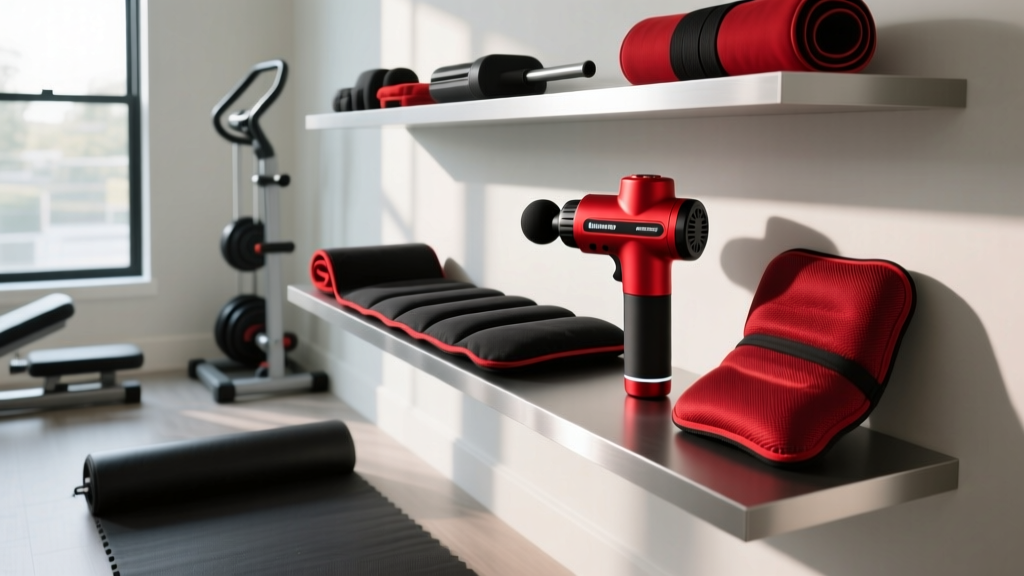
Heat Pad vs Wrap Setup: Integrating Your Red Massage Gun

Power Plate Massage Gun Market: Percussion vs Vibration Therapy 2026

Foam Roller Types vs Headmall Massage Gun: Budget Breakdown

Nuvomed Massage Gun Recovery: Heat Therapy Pads vs Wraps
