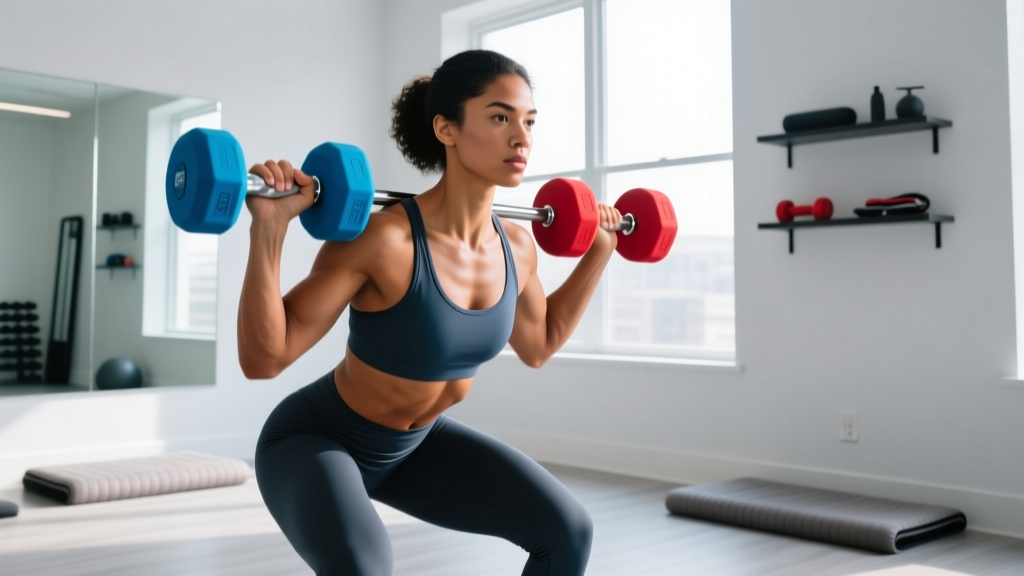
Incline Dumbbell Bench Press Form: Urethane vs Rubber Care
Discover how incline dumbbell bench press form impacts gear longevity. Compare rubber hex vs urethane dumbbells and learn expert maintenance tips.

The Biomechanics of the Incline Press and Equipment Stress
Perfecting your incline dumbbell bench press form requires more than just muscular control and mind-muscle connection; it demands highly reliable equipment. When you set an adjustable bench to a 30- or 45-degree angle, the mechanics of the lift place unique torsional and sheer stresses on your dumbbells that flat benching or machine work simply do not. From the initial knee kick-up to the deep stretch at the bottom of the movement, the structural integrity of your free weights is constantly tested.
For home gym owners and commercial facility managers in 2026, the debate between rubber hex dumbbells and urethane dumbbells is no longer just about aesthetics or floor protection. It is fundamentally about longevity under specific biomechanical loads. When lifters execute strict incline dumbbell bench press form, they often utilize heavy loads, generate significant sweat, and occasionally clank the bells together at the lockout. How your dumbbell's coating handles this abuse dictates its lifespan. In this comprehensive guide, we break down the material science of rubber versus urethane, analyze failure modes specific to incline pressing, and provide actionable maintenance protocols to maximize your investment.
How Incline Dumbbell Bench Press Form Stresses Your Gear
To understand maintenance, we must first understand the damage. The incline dumbbell bench press introduces three primary equipment stressors:
- The Kick-Up Phase: Getting heavy dumbbells into position requires a forceful knee kick. This transfers sudden, high-velocity sheer force directly into the handle-to-head junction. If the bond between the steel handle and the outer coating is weak, repeated kick-ups will cause the head to loosen, rattle, and eventually detach.
- The Deep Stretch (Eccentric Overload):strong> At the bottom of the incline press, the dumbbells are often lowered past the torso. Sweaty palms and the extreme angle can cause micro-slips, forcing the lifter to grip the handle with excessive crush force, accelerating knurling wear and transferring acidic sweat directly into the handle's crevices.
- The Lockout Clank: Many lifters touch the dumbbells together at the apex of the movement to maximize upper pectoral contraction. This impact, repeated over thousands of cycles, causes micro-fractures in brittle coatings.
Material Science: Rubber Hex vs. Urethane
Not all rubber is created equal, and urethane is an entirely different class of polymer. Understanding the chemical makeup of your weights is the first step in proper care.
Virgin and Recycled Rubber Hex Dumbbells
Rubber hex dumbbells, such as the highly popular REP Fitness Rubber Hex line, are staples in budget-friendly and mid-tier home gyms. Priced competitively in 2026 at roughly $1.20 to $1.80 per pound, they offer excellent value. However, rubber (especially recycled tire rubber) contains chemical plasticizers to keep it flexible. Over time, exposure to UV light, ozone, and the acidic pH of human sweat (which typically ranges from 4.5 to 7.0) causes these plasticizers to leach out. This results in the dreaded 'greasy' feel, a pungent odor, and eventual brittleness, leading to chipped hex corners when dropped or clanked during incline press lockouts.
Polyurethane (Urethane) Dumbbells
Urethane is a premium thermoset polymer. Commercial-grade options, like Rogue Urethane Dumbbells, represent the gold standard for durability. Costing between $3.50 and $4.50 per pound, urethane is highly resistant to UV degradation, sweat, and impact. Unlike rubber, urethane does not rely on volatile plasticizers, meaning it will not leach grease or emit foul odors over time. Furthermore, high-end urethane bells feature overmolded steel cores that are chemically bonded to the polymer, virtually eliminating the risk of head detachment during aggressive incline press kick-ups.
Comparison Matrix: Durability and Upkeep
| Feature | Rubber Hex Dumbbells | Urethane Dumbbells |
|---|---|---|
| Average Cost (2026) | $1.20 - $1.80 / lb | $3.50 - $4.50 / lb |
| Sweat Resistance | Moderate (Degrades over time) | Excellent (Impervious to mild acids) |
| Impact Resistance | High (Absorbs shock, but chips) | Very High (Resists chipping/cracking) |
| Odor / Off-gassing | High initially, moderate long-term | None to Very Low |
| Primary Failure Mode | Plasticizer leaching, head rattle | Surface scratching, handle rust |
| Cleaning Frequency | After every use | 1-2 times per week |
Maintenance Protocols for Longevity
Whether you are using budget rubber or premium urethane, your maintenance routine must align with the material's chemical properties. The most common mistake lifters make is using harsh gym wipes or bleach-based solutions, which accelerate material degradation.
⚠️ Warning: The Danger of Harsh Chemicals
According to guidelines on surface disinfection from the Centers for Disease Control and Prevention (CDC), bleach and ammonia-based cleaners are highly corrosive. Applying these to rubber hex dumbbells will strip the protective outer seal, accelerating plasticizer loss. On urethane, harsh chemicals can dull the finish and degrade the chrome or stainless steel handles. Always use pH-neutral cleaners.
Cleaning Rubber Hex Dumbbells
Because rubber is porous at a microscopic level, it traps dead skin cells, chalk, and sweat. To maintain rubber hex dumbbells used for heavy incline pressing:
- Daily: Wipe down handles and heads with a microfiber cloth dampened with a 50/50 mix of distilled water and white vinegar. This neutralizes sweat acids without damaging the rubber.
- Monthly: Apply a very light coat of 3-in-One silicone spray to the rubber heads (avoiding the handles) to replenish surface moisture and prevent drying and cracking. Wipe off all excess to prevent slippery grips during your next workout.
Cleaning Urethane Dumbbells
Urethane is non-porous, making it incredibly easy to maintain, but the handles require attention.
- Weekly: Wipe the urethane heads with a damp cloth and mild dish soap.
- Handle Care: Use a stiff nylon brush to clean chalk and skin out of the knurling. Apply a light coat of mineral oil or a dedicated knurling oil (like Rogue's Knurling Oil) to prevent oxidation, especially if your gym environment lacks climate control.
Step-by-Step Care Guide for Heavy Incline Pressers
If the incline dumbbell bench press is a staple in your hypertrophy program, follow this specific post-workout protocol to ensure your gear survives the heavy loads and high sweat volumes:
- Immediate Wipe-Down: Within 5 minutes of finishing your set, wipe the handles and the inner faces of the dumbbell heads (the sides that touch together during the lockout clank) with a dry microfiber towel.
- Inspect the Junction: Visually inspect the seam where the steel handle meets the rubber or urethane head. Look for micro-tears or separation. Catching a torn rubber seal early prevents sweat from entering the core and rusting the internal steel insert.
- Rack with Care: Never drop dumbbells onto metal racks from a height. The incline press often leaves lifters fatigued, leading to careless racking. Dropping a 70lb dumbbell onto a steel rack shelf can shatter a rubber hex head or dent a urethane shell. Place them down firmly.
- Climate Control: Store your dumbbells in a temperature-controlled environment. Garage gyms that experience freezing winters and sweltering summers will cause rubber to expand and contract, breaking the adhesive bond to the steel core.
"The longevity of free weight equipment is directly tied to the user's respect for the material limits. A $400 pair of urethane dumbbells will outlast a $120 pair of rubber hex bells by a decade, but only if the lifter avoids using corrosive gym wipes that destroy the handle finishes and polymer seals."
Frequently Asked Questions
Can I use WD-40 to stop my rubber hex dumbbells from smelling?
No. WD-40 is a petroleum-based solvent that will break down the chemical bonds in the rubber, causing it to turn into a sticky, degraded mess. To combat odors, wash the bells with a mild enzyme-based cleaner designed for athletic gear, which breaks down the organic bacteria causing the smell without harming the plasticizers.
Does urethane crack if I drop it during a failed incline press?
High-quality commercial urethane is highly impact-resistant and will generally bounce or dent rather than crack. However, cheap, low-durometer urethane imported from unverified manufacturers can become brittle in cold temperatures. If you are training in a cold garage gym (below 50°F), urethane becomes more susceptible to impact fractures if dropped on concrete.
How tight should the handle-to-head bolt be on adjustable dumbbells used for incline pressing?
If you are using adjustable spin-lock or bolt-on dumbbells for incline presses, the torsional force of the kick-up will loosen the collars. Always use a torque wrench or ensure the collars are hand-tightened with maximum grip strength before lying back. For safety, consider upgrading to commercial-grade fixed dumbbells where the heads are friction-welded or overmolded to the handle.
More gear to consider
All reviews
Dumbbell Goblet Squat GIF Breakdown: Form & Neoprene Gear

Bumper Plate vs Iron Plate & Dumbbell Chest Fly Muscles Worked
Dumbbell Hip Thrust Form: 2026 Adjustable Setup & Review
Upgrade Your Dumbbell Arm Routine: Barbell Weight & Knurl Guide

Bumper vs Iron Plates: Gym Layouts & Dumbbell Shoulder Raises