
Hex vs Urethane: Top Picks for Latissimus Dorsi Dumbbell Exercises
We test rubber hex vs urethane dumbbells to find the best gear for heavy latissimus dorsi dumbbell exercises, comparing knurling, durability, and cost.

Building a massive, detailed back requires more than just showing up to the gym; it demands the right tools. When programming heavy latissimus dorsi dumbbell exercises—like single-arm rows, Meadows-style variations, and deep-stretch pullovers—the dumbbell you choose becomes the critical link between your central nervous system and the target muscle. In 2026, the commercial and home gym market remains dominated by two primary materials: rubber hex and polyurethane (urethane). But which one actually holds up to the extreme torque, chalk, and fatigue of high-volume lat training?
As senior reviewers at FitGearPulse, we’ve spent the last three months subjecting top-tier rubber hex and urethane dumbbells to grueling back days. Below is our hands-on breakdown, material science analysis, and ultimate buying guide.
The Testing Ground: Why Lat Training Destroys Inferior Dumbbells
The latissimus dorsi is the largest muscle in the upper body. According to biomechanical data cataloged by ExRx, targeting this muscle group effectively requires pulling movements that place immense sheer force on the grip and wrist. When you are pulling a 120-pound dumbbell through a full range of motion, three things happen to the equipment:
- Grip Slip: Sweat and chalk compromise passive knurling, forcing you to over-grip and prematurely fatigue your forearms before your lats fail.
- Impact Stress: Failing a heavy single-arm row often results in dropping the dumbbell from waist height directly onto the floor or rack edge.
- Bench Interference: During pullovers, the head of the dumbbell can catch on the vinyl or leather of the bench pad during the bottom stretch, altering the biomechanics of the lift.
Rubber Hex Dumbbells: The Budget Workhorse
Rubber hex dumbbells (like the popular CAP Barbell or York Fitness lines) are the undisputed kings of budget commercial gyms. The vulcanized rubber coating is designed to protect floors, while the hexagonal heads prevent rolling.
Pros & Cons for Back Training
- Pros: Highly affordable ($1.20 to $1.80 per pound in 2026); the flat hex edges allow you to stack them securely on your thigh when kicking back for heavy bent-over rows.
- Cons: The rubber compound degrades under UV light and fluctuating temperatures; knurling on budget hex models is notoriously shallow (often under 0.8mm depth); strong off-gassing odor in the first few months.
Expert Insight: If you are running a high-volume commercial facility where dumbbells are frequently dropped by inexperienced lifters, rubber hex is a replaceable commodity. But for serious hypertrophy where grip integrity is paramount, the slick handles of budget hex dumbbells will limit your latissimus dorsi activation.
Urethane Dumbbells: The Commercial Standard
Urethane is a premium polymer that has largely replaced rubber in high-end facilities and serious home gyms. Brands like REP Fitness and Rogue Fitness utilize high-grade urethane with a Shore A hardness rating of 85-90, making it incredibly dense and resistant to abrasion.
Pros & Cons for Back Training
- Pros: Zero odor; UV and scratch-resistant; typically paired with premium stainless steel or hard chrome handles featuring aggressive volcanic or mountain knurling (1.2mm+ depth); heads are often 12-sided or round with flat edges for better bench clearance.
- Cons: Significant financial investment ($3.50 to $5.50+ per pound); heavier total footprint as the steel cores require thicker heads to achieve the same weight.
Head-to-Head Comparison Matrix
| Feature | Rubber Hex (e.g., CAP Barbell) | Urethane (e.g., REP Fitness) |
|---|---|---|
| Cost per Pound | $1.20 - $1.80 | $3.50 - $5.50 |
| Knurling Depth | Shallow / Passive (0.5mm - 0.8mm) | Medium-Volcanic (1.0mm - 1.5mm) |
| Drop Tolerance | Medium (Edges chip after ~500 drops) | High (Resists splitting and tearing) |
| Odor / Off-Gassing | High (Requires weeks to air out) | None (Odorless out of the box) |
| Bench Clearance | Poor (Sharp corners catch on pads) | Excellent (12-sided or beveled round) |
Hands-On Review: Performing Latissimus Dorsi Dumbbell Exercises
To truly test these materials, we integrated them into two foundational back movements, analyzing how the equipment impacts the mind-muscle connection and mechanical tension.
1. The Heavy Single-Arm Dumbbell Row
When rowing in the 90lb to 120lb range, grip is the primary limiting factor. The National Strength and Conditioning Association (NSCA) emphasizes that grip fatigue can prematurely inhibit motor unit recruitment in the target muscle. With the rubber hex dumbbells, the shallow knurling filled with chalk by the third set, forcing our testers to rely heavily on lifting straps. Conversely, the urethane models featured deep, multi-directional knurling that bit into the calluses, allowing for raw, strap-free pulling well into the hypertrophy rep ranges (8-12 reps). The aggressive knurl on the urethane handles directly translated to better lat isolation by removing the grip bottleneck.
2. The Dumbbell Pullover
The pullover requires a deep stretch with the dumbbell suspended behind the head. Here, the geometry of the dumbbell head matters. The sharp 90-degree corners of the rubber hex dumbbells repeatedly caught on the seams of our testing benches, causing micro-stutters at the bottom of the movement where the latissimus dorsi experiences maximum stretch-mediated hypertrophy. The urethane dumbbells, specifically the 12-sided and beveled round-head variations, glided smoothly against the bench pad, allowing for a continuous, unbroken tension curve.
The Verdict: Which Should You Buy in 2026?
If your primary goal is executing heavy, high-intensity latissimus dorsi dumbbell exercises without equipment limitations, urethane dumbbells are the undisputed winner. The combination of aggressive knurling, zero odor, and ergonomic head shapes makes them vastly superior for back training. While the upfront cost of a 5-to-50-pound urethane set will run between $1,200 and $1,800 in 2026, the longevity and performance ROI easily justify the investment for serious lifters.
However, if you are outfitting a garage gym on a strict budget, or need a secondary set of dumbbells for lighter isolation work and drop sets, rubber hex dumbbells remain a viable, cost-effective alternative. Just be prepared to rely on lifting straps during your heaviest pulling sessions.
Frequently Asked Questions
Can I drop urethane dumbbells on concrete?
No. While urethane is highly durable and will not crack or chip like rubber hex dumbbells, dropping heavy dumbbells (over 50 lbs) directly on bare concrete can bend the internal steel core or shatter the urethane shell. Always use drop pads or thick rubber stall mats.
Does the smell of rubber hex dumbbells go away?
Yes, but it requires effort. The off-gassing is caused by volatile organic compounds (VOCs) from the vulcanization process. Wiping them down with a mild soap solution and leaving them in a well-ventilated, shaded area for 2 to 4 weeks will neutralize the odor.
Are adjustable dumbbells good for latissimus dorsi exercises?
Adjustable dumbbells (like Bowflex or PowerBlock) are excellent for lighter hypertrophy work and pullovers. However, for heavy single-arm rows exceeding 80 pounds, fixed urethane or rubber hex dumbbells are preferred due to their superior structural integrity and balanced center of gravity, as noted by experts at ACE Fitness.
More gear to consider
All reviews
What Do Dumbbell Squats Work vs Kettlebells? Cast Iron Value Guide

Beyond Upper Arm Exercises With Dumbbells: 2026 Kettlebell Trends
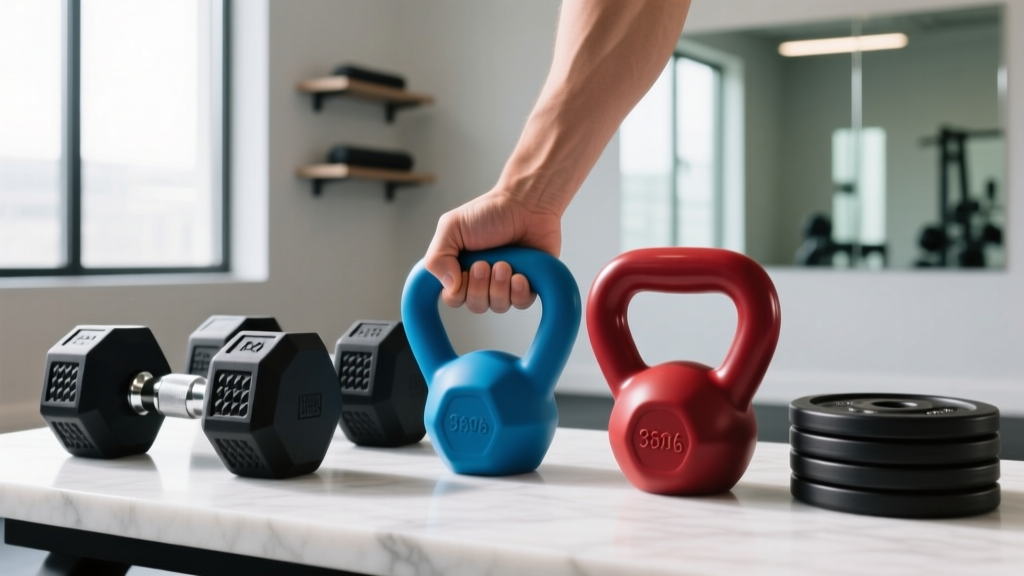
Rubber Hex vs Urethane for Dumbbell Shoulder Lifts: Value Analysis
Maintain Loadable Dumbbells for Chest Exercises Without a Bench
Bumper vs Iron Plates: Budgeting for Swing Dumbbell & Barbell Lifts
